Hegseth softens tone on China as Trump-Xi summit begins
The shift in Washington’s defence posture coincides with the first US presidential visit to China since 2017, as markets react positively to trade and AI discussions.
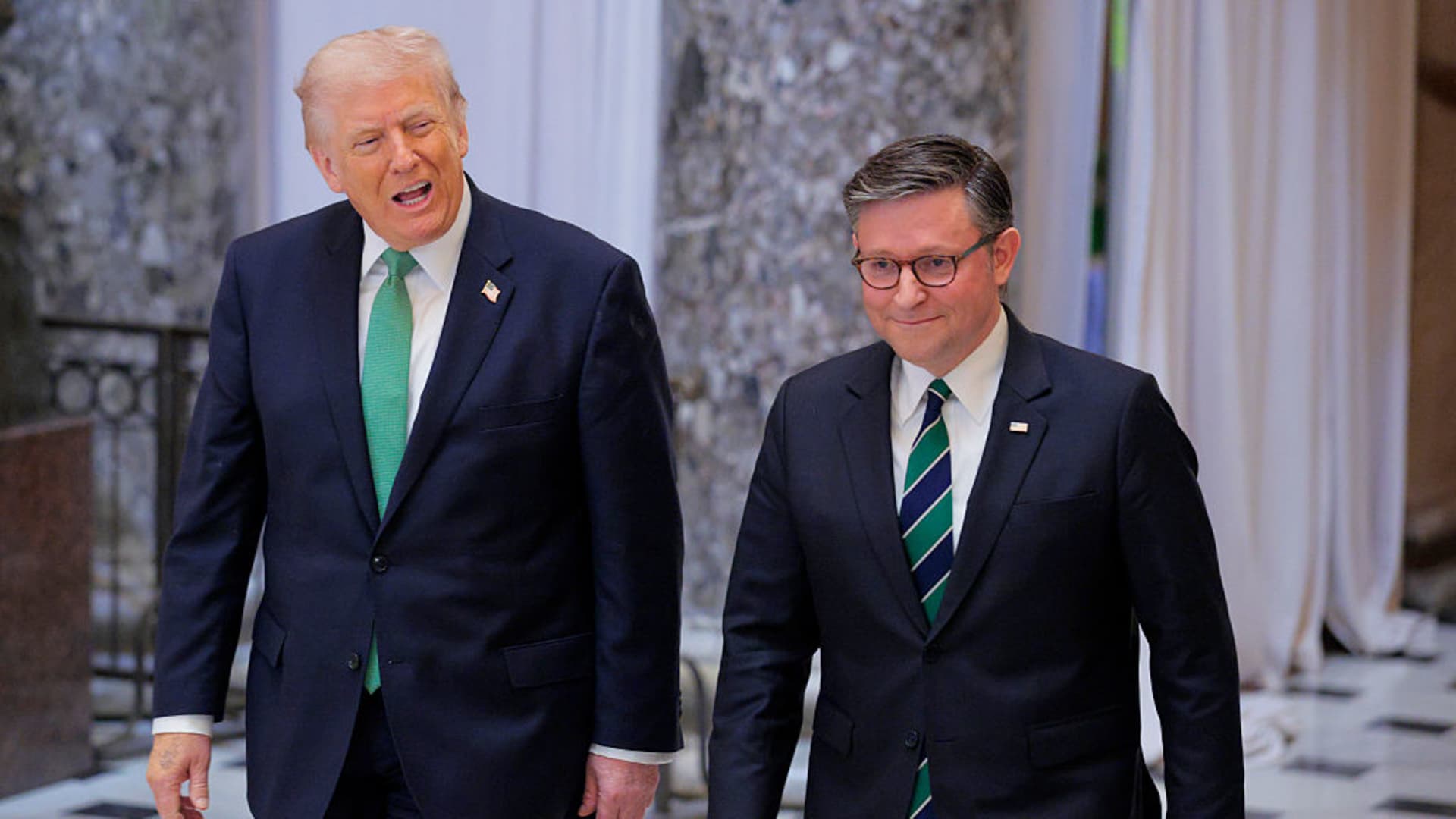
US Secretary of War Pete Hegseth has adopted a less confrontational stance towards China, marking a distinct shift in rhetoric from previous administrations. This measured approach comes as the United States prepares for a significant diplomatic engagement in Beijing, where President Donald Trump is set to meet Chinese President Xi Jinping. The summit, commencing on 14 May 2026, represents the first visit by an American president to China since 2017.
The diplomatic recalibration is occurring alongside a firm posture towards Washington’s international partners. Hegseth is simultaneously delivering lectures to America’s allies, suggesting a dual-track strategy that seeks to ease tensions with Beijing while reinforcing expectations for allied cooperation on foreign policy and defence matters. The specific content of these lectures to allies remains undisclosed, as does the precise nature of the policy changes underpinning the softer tone towards Beijing.
Market participants have responded favourably to the unfolding diplomatic agenda. On Thursday, US stock markets rose as the summit began, with the Dow Jones Industrial Average gaining 0.8%, the S&P 500 rising 0.3%, and the Nasdaq Composite climbing 0.2%. The positive sentiment was further bolstered by news that the US approved a chip sale, causing Nvidia shares to surge more than 2%.
The Beijing summit agenda is expected to cover critical areas including trade, artificial intelligence, and the Strait of Hormuz. The US delegation includes prominent technology executives such as Elon Musk, Tim Cook, and Jensen Huang, underscoring the intersection of geopolitical strategy and global supply chains. The presence of these industry leaders highlights the economic stakes involved in the negotiations.
While the source material from The Economist indicates a pullback in rhetorical aggression, analysts note that the connection between Hegseth’s actions and the broader summit outcomes is not yet explicitly causally linked. The fragmented nature of current reporting limits a deeper analysis of Hegseth’s specific statements, but the overall trend points towards a more nuanced approach to Sino-American relations in the immediate term.