Hormuz blockade casts shadow over oil export recovery as Trump-Xi summit opens
Iran’s blockade of the Strait of Hormuz threatens to keep oil exports below pre-conflict levels, even as US and Chinese leaders begin high-stakes negotiations in Beijing.
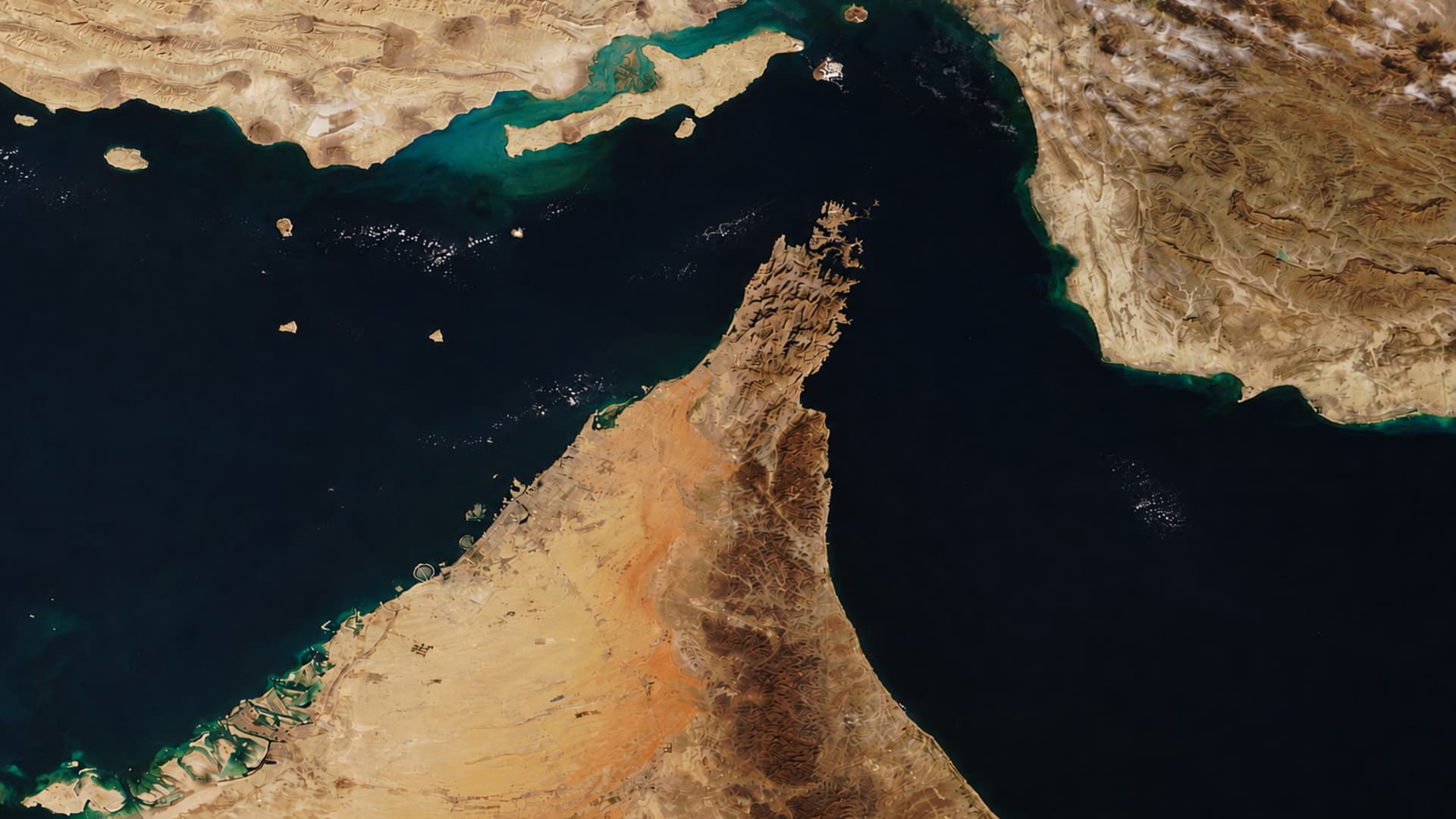
Oil exports flowing through the Strait of Hormuz face a prolonged period of uncertainty, with analysts warning that volumes may not recover to pre-war levels following Iran’s blockade of the critical waterway. The blockade has severely disrupted freedom of navigation, creating significant doubt regarding the future trajectory of global oil supply from the region.
The geopolitical tension in the Middle East coincides with the commencement of a two-day summit in Beijing between US President Donald Trump and Chinese President Xi Jinping. This marks the first visit by an American president to China since 2017. The Strait of Hormuz has been included on the summit agenda alongside discussions on trade and artificial intelligence, highlighting the interconnected nature of global security and economic policy.
Despite the underlying tensions in energy markets, US stock markets posted gains during the summit. The Dow Jones Industrial Average rose 0.8 per cent, the S&P 500 increased by 0.3 per cent, and the Nasdaq Composite climbed 0.2 per cent. Market sentiment appeared buoyed by diplomatic engagement, even as the navigation crisis in the Persian Gulf remains unresolved.
Technology stocks also saw positive movement, with Nvidia shares surging more than 2 per cent. The rally followed news that the US government had approved the sale of H200 chips to Chinese firms, a development that provided a counterpoint to the broader geopolitical friction. The approval was a key topic of interest as the summit began.
High-profile business leaders are present in Beijing to witness the proceedings, including US CEOs Elon Musk, Tim Cook, and Jensen Huang. Their attendance underscores the significant role corporate interests play in the dialogue between Washington and Beijing. The summit aims to address these complex relationships while navigating the ongoing disruptions caused by the Iranian blockade.
The long-term impact of the Hormuz blockade on global supply chains remains unclear. While short-term market reactions have been mixed, the persistent challenge to navigation freedom suggests that oil export volumes could remain suppressed for an extended period. Investors are now monitoring how diplomatic outcomes in Beijing might influence the stability of energy markets in the coming months.