Kashkari Prioritises Inflation Fight Amid Stable Labour Market
Neel Kashkari says price stability remains the central bank’s primary focus, citing a labour market in decent shape as the backdrop for the current monetary stance.
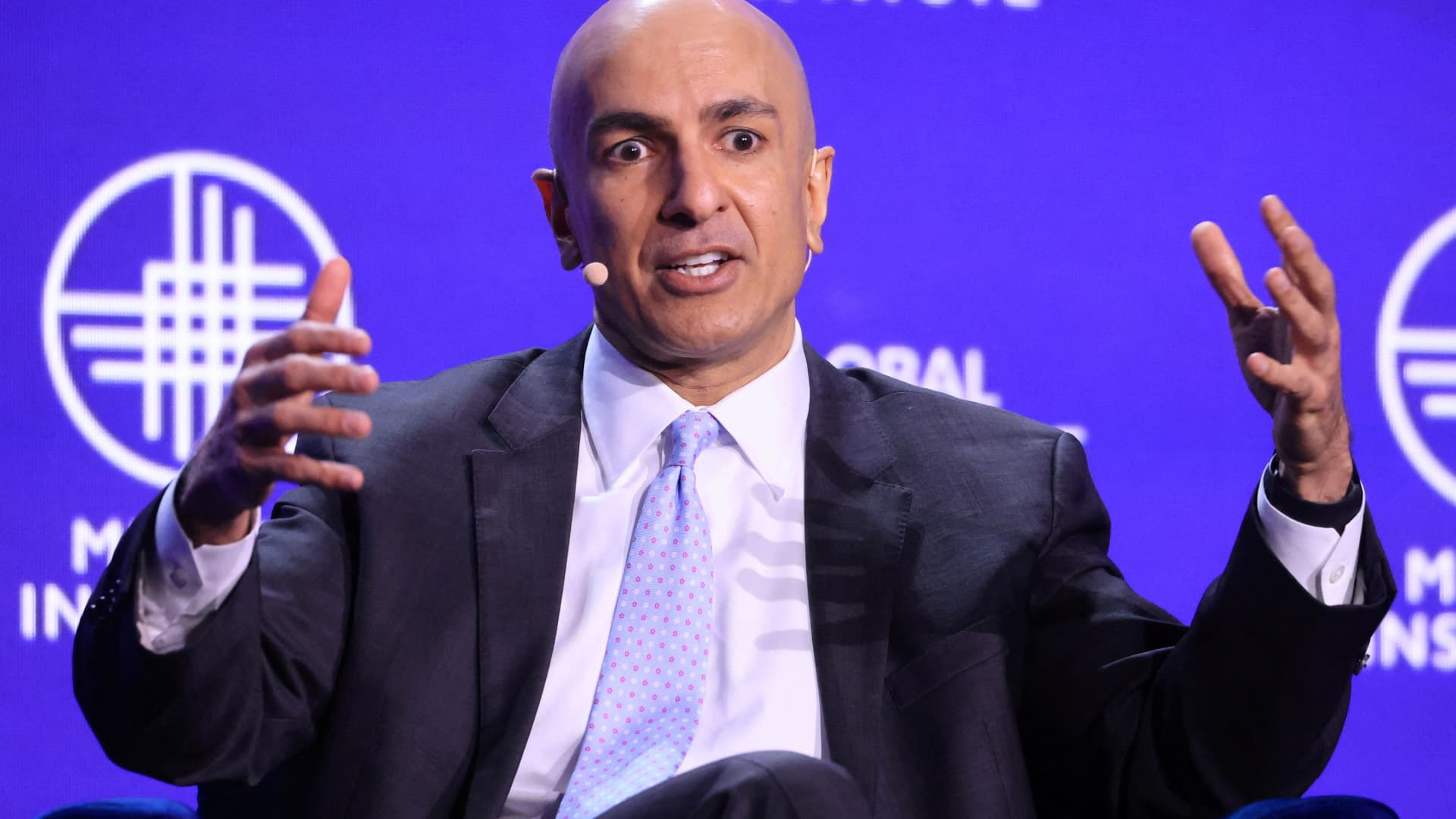
Minneapolis Federal Reserve President Neel Kashkari has declared that combating inflation remains the primary priority for monetary policy, noting that the labour market is currently in decent shape. Speaking to CNBC, Kashkari indicated that the stability in employment conditions provides the central bank with the necessary room to focus on price stability without immediate concern for broader economic weakness.
The Minneapolis Fed chief warned that persistently high inflation risks becoming embedded in consumer expectations. He cautioned that if price pressures are allowed to linger, it could necessitate tougher policy action in the future to re-anchor those expectations, a scenario that would likely require more aggressive measures than currently anticipated.
This statement comes as Kevin Warsh has assumed the role of Federal Reserve chair, inheriting a complex monetary policy landscape. Warsh faces significant pressure from multiple stakeholders, including financial markets and President Donald Trump, while tasked with managing the delicate balance of inflation expectations and economic growth.
Amidst this leadership transition, US equity markets have shown resilience. Recent gains were buoyed by a summit between President Donald Trump and Chinese President Xi Jinping in Beijing, which saw the Dow Jones Industrial Average gain 0.8%, the S&P 500 rise 0.3%, and the Nasdaq Composite climb 0.2%.
Corporate earnings and regulatory developments also supported market sentiment. Nvidia shares surged more than 2% following US approval of H200 chip sales to Chinese firms, while Amazon reported a 12% year-on-year revenue increase to $213.4 billion for the fourth quarter of fiscal 2025, with operating income reaching $25 billion.
Kashkari’s assessment of the labour market as being in decent shape is a subjective evaluation that may not reflect all regional or sectoral labour data. Furthermore, his warning regarding embedded inflation expectations is a forward-looking caution based on current trends rather than a confirmed outcome. The timeline for when tougher policy action might be required remains unspecified, and market movements should be interpreted with caution given the ongoing political and trade dynamics.