Shangri-La Dialogue concludes with focus on defence spending and Ukraine lessons
The 2026 IISS Shangri-La Dialogue wrapped up on Saturday, with delegates examining defence budgets, Beijing’s regional influence, and strategic insights from the conflict in Ukraine.
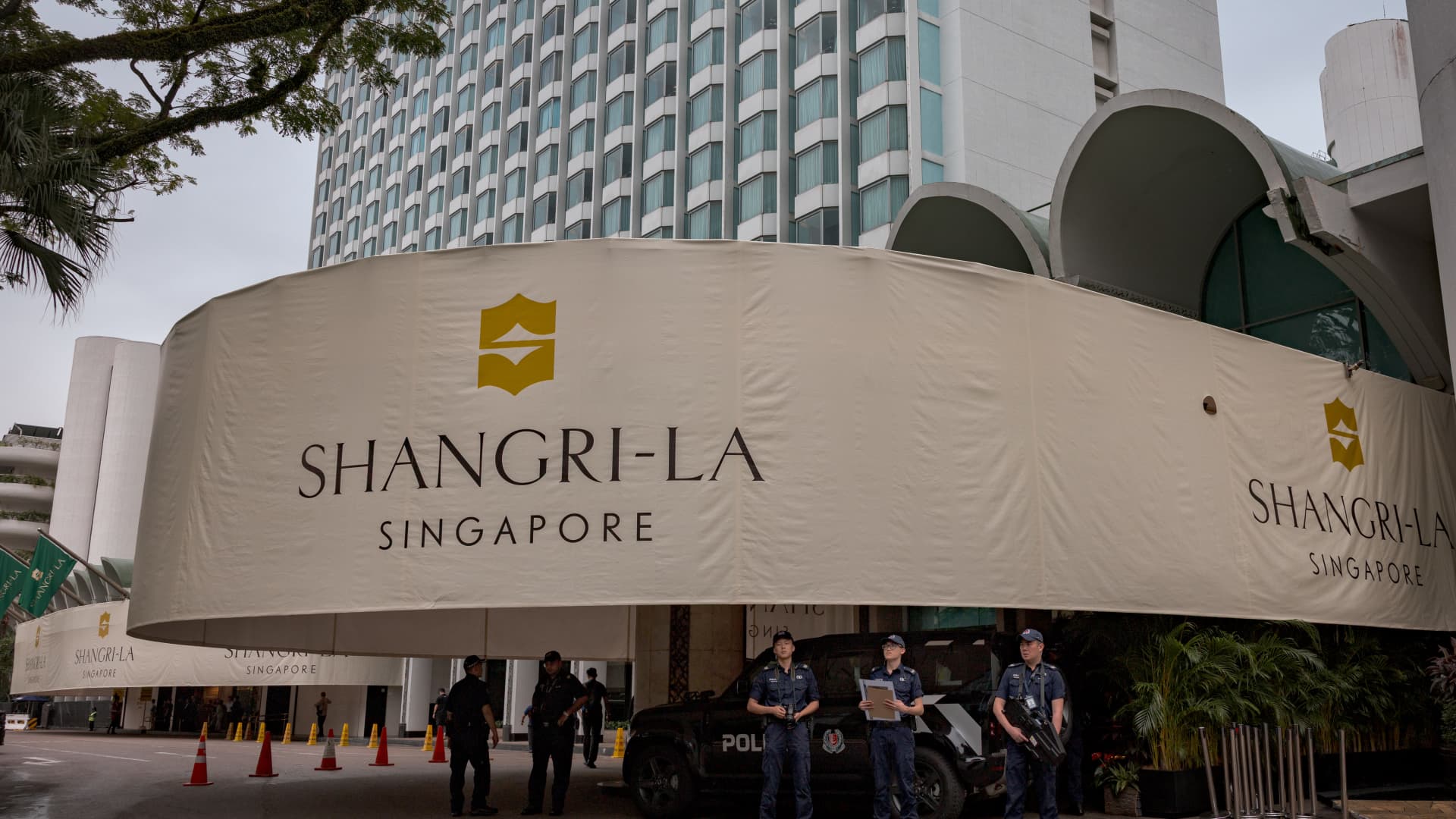
The 2026 IISS Shangri-La Dialogue concluded in Singapore on May 31, marking the end of a three-day summit that ran from May 29 to 31. The event convened top world leaders, defence officials, and key executives to address pressing security issues in the Asia-Pacific region.
Primary discussions at the summit centred on three key themes: defence spending, China’s role in Asia, and lessons drawn from the conflict in Ukraine. These topics reflect the growing emphasis on military preparedness and strategic alignment among participating nations.
The dialogue takes place against a backdrop of heightened geopolitical activity. Earlier this week, US President Donald Trump and Chinese President Xi Jinping held a summit in Beijing, addressing trade, artificial intelligence, and tensions regarding Iran and the Strait of Hormuz.
Market reactions were evident during the concurrent diplomatic engagements. US stock indices rose as the Trump-Xi summit commenced, with the Dow Jones gaining 0.8%, the S&P 500 rising 0.3%, and the Nasdaq Composite climbing 0.2%.
Nvidia shares surged more than 2% following news that the US approved H200 chip sales to Chinese firms. The Beijing summit also saw the attendance of major US technology executives, including Elon Musk, Tim Cook, and Jensen Huang.
While the Shangri-La Dialogue focused on defence and security, the broader context of US-China relations continues to influence global markets and strategic planning. The outcomes of these parallel diplomatic efforts will likely shape policy discussions in the coming months.
The IISS Shangri-La Dialogue remains a critical forum for security cooperation, with this year’s focus on defence spending and regional stability underscoring the complex interplay between economic and military interests in Asia.