Vance admits Trump administration mishandled Epstein file communications
In a July 2026 interview, Vance linked Epstein to the ‘Israeli deep state’ and acknowledged that the administration’s communications strategy regarding sensitive files led to public mistrust, though he denied any intent to conceal information.
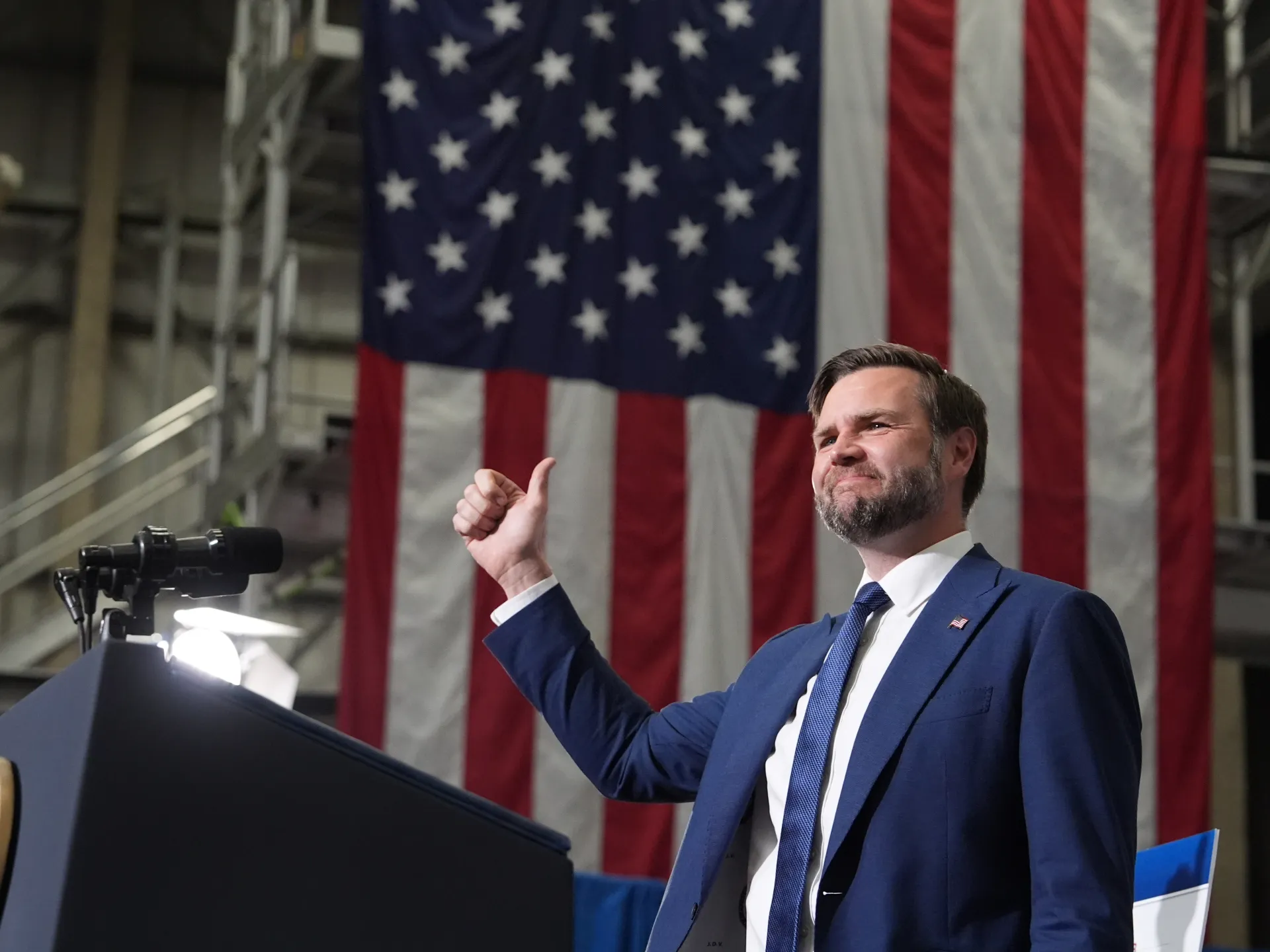
US Vice President JD Vance has asserted that Jeffrey Epstein maintained connections to the highest levels of both American and Israeli intelligence, while simultaneously admitting that the Trump administration mishandled communications surrounding the release of related files. Speaking in an interview with podcaster Joe Rogan released on Wednesday, Vance characterised Epstein’s Israeli contacts as having a “left-of-centre ideological bent,” linking them to elements of the so-called ‘Israeli deep state’ rather than right-of-centre political factions.
Vance stated that Epstein “clearly had connections to the highest levels of American intelligence” and similarly to Israeli intelligence, specifically noting the unusual nature of his ties to left-leaning elements within Israeli structures. The Vice President’s comments come amid ongoing scrutiny of the Trump administration’s approach to transparency regarding Epstein-related documents, a period during which the Justice Department, under former Attorney General Pam Bondi, distributed binders labelled “The Epstein files: Phase 1” and “Declassified” to conservative commentators and influencers.
The interview served as a platform for Vance to critique the administration’s previous communications strategy, particularly focusing on statements made by Bondi, who was dismissed by President Trump in April 2026. Vance criticised Bondi for overstating the availability of evidence, referencing her claim that an alleged client list was “sitting on my desk right now.” He acknowledged that these assertions, alongside the distribution of the aforementioned binders, contributed to a narrative that undermined public confidence in the government’s transparency efforts.
Despite the criticism, Vance denied any malicious intent to hide information from the public. He described Bondi as someone he knows and likes, asserting that her actions were driven by a desire to “respond to the political moment” rather than an attempt to conceal facts. Vance conceded that the administration “absolutely” screwed up the communications regarding the Epstein files but maintained that this error was not part of a deliberate cover-up.
The Vice President’s remarks highlight the internal tensions within the Trump administration regarding the management of sensitive intelligence-related disclosures. By attributing the communications failures to Bondi’s overreach rather than policy decisions, Vance sought to distance the broader administration from the resulting public mistrust, while still advancing his claims regarding Epstein’s extensive intelligence connections.