Morocco surveillance revelations cast shadow over French PM’s diplomatic visit
Investigative reports detail NSO Group demonstrations in 2017 and whistleblower testimony concerning the monitoring of critic Omar Radi, complicating the bilateral agenda for the French leader.
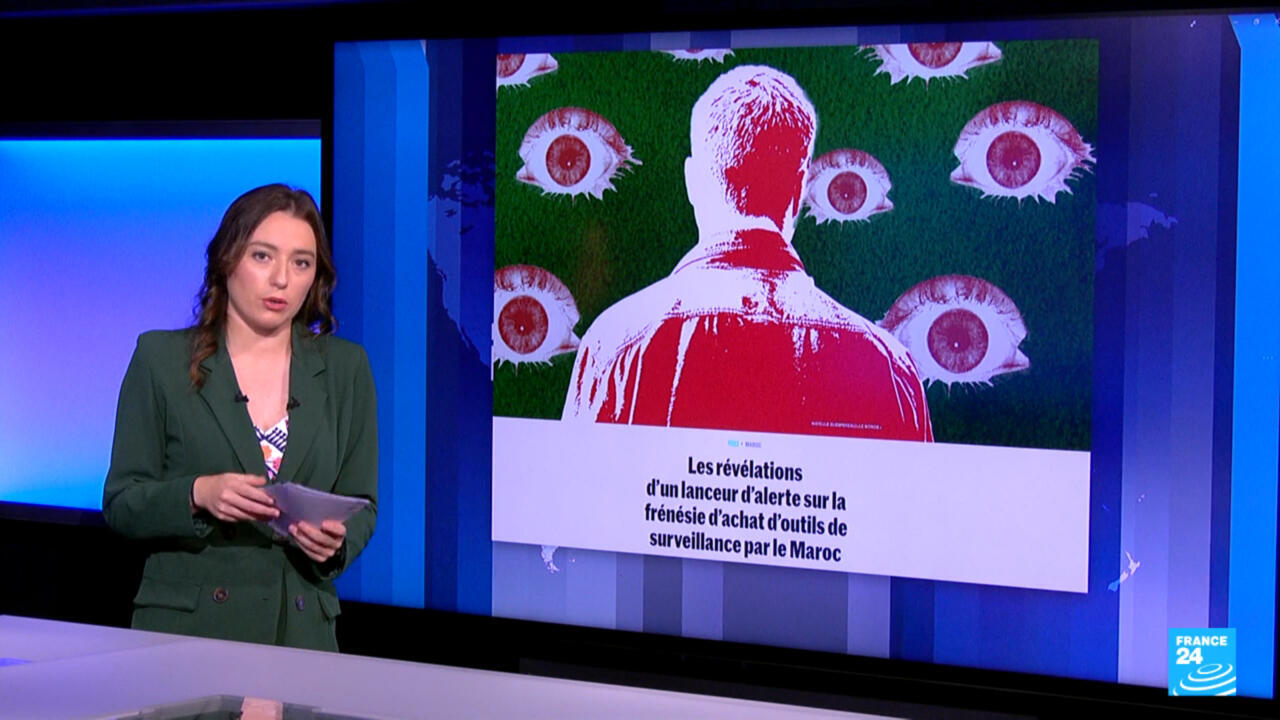
French Prime Minister Sébastien Lecornu’s official visit to Morocco is unfolding against a backdrop of renewed scrutiny over digital surveillance practices. The diplomatic trip coincides with fresh revelations from investigative outlet Forbidden Stories, which reported that representatives from the Israeli firm NSO Group spent ten days in a Rabat villa in 2017 demonstrating the capabilities of Pegasus spyware to Moroccan officials. This demonstration occurred well before the normalisation of bilateral relations between the two nations.
The disclosures are accompanied by testimony provided to Le Monde by a whistleblower formerly employed by Moroccan secret services. The source indicated that Pegasus was utilised by authorities only as a last resort, noting that other surveillance technologies were employed before and after the spyware’s introduction. The whistleblower also detailed extensive physical monitoring techniques used against prominent critic Omar Radi, including phone tapping, the installation of miniature cameras in light fittings, and the transcription of conversations.
Radi’s case illustrates the intensity of the surveillance apparatus. He was subsequently arrested and convicted of espionage, rape, and sexual assault in a trial described as fraught with irregularities. He later received a royal pardon, ending the period of intense monitoring. The revelations highlight the complex intersection of state security measures and political dissent within the Kingdom.
The timing of these reports carries particular weight given Lecornu’s personal history with the scandal. Five years ago, while serving as France’s defence minister, Lecornu was among the high-ranking French officials targeted by Pegasus spyware. The current visit to Rabat therefore occurs as the French government navigates both diplomatic engagement and the lingering political implications of the initial surveillance breach.
These developments add a layer of complexity to the diplomatic itinerary, as the French administration balances strategic partnerships with ongoing concerns regarding digital privacy and state-sponsored surveillance. The intersection of historical tensions and current diplomatic engagements underscores the sensitive nature of France-Morocco relations in the context of global surveillance debates.