Genoa judges poised to deliver verdict in historic Morandi bridge collapse trial
Judges in Genoa are set to rule on charges ranging from multiple manslaughter to undermining transport safety, eight years after the structural failure killed 43 people.
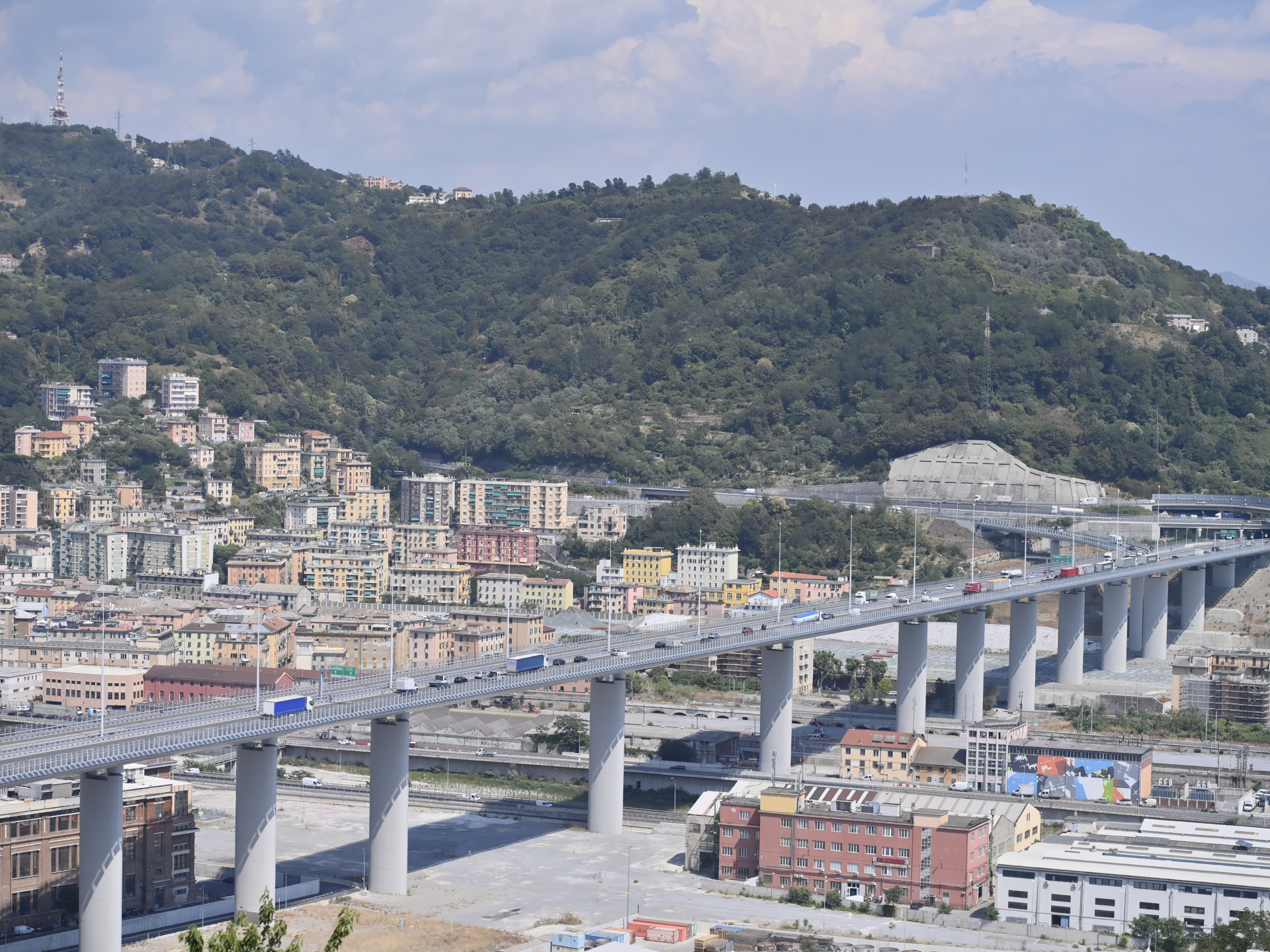
Judges in Genoa are scheduled to deliver a verdict in the first criminal trial concerning the 2018 collapse of the Morandi bridge, a disaster that claimed 43 lives and exposed significant vulnerabilities in Italy’s ageing infrastructure. The proceedings, which have spanned three years, conclude eight years after the 1,182-metre structure gave way during torrential rain, sending a central section 45 metres to the ground.
The trial involves 59 defendants, including former Atlantia CEO Giovanni Castellucci, who face charges ranging from multiple manslaughter to undermining transport safety and making false statements. Prosecutors allege that the collapse was precipitated by missed, inadequate, or falsified maintenance protocols designed to delay repairs while maintaining shareholder dividends. The bridge, operated by Autostrade per l’Italia, a motorway unit controlled by the Benetton family, was subjected to intense scrutiny regarding its upkeep and design integrity.
Central to the prosecution’s case is the allegation that load-bearing cables within the ninth pillar were compromised by corrosion over the bridge’s 51-year lifespan. Investigators found that the rupture of these cables was the immediate cause of the failure. Prosecutors argue that officials and executives were aware of the deteriorating condition, citing a 2011 Autostrade report that noted decay due to high traffic volumes and warnings from structural engineers as early as 2016.
Defence counsel has contested these assertions, arguing that the disaster resulted from an original construction flaw at the top of stay cable number nine, which they maintain was undetectable and unavoidable through standard maintenance. Lawyers for Castellucci have described the 18-and-a-half-year prison sentence sought by prosecutors as disproportionate for a case involving alleged negligence rather than intentional murder. Castellucci, who is already serving a six-year sentence for a separate 2013 viaduct incident, has denied all wrongdoing.
The human cost of the collapse remains a focal point for the victims’ families, represented by the Comitato Parenti Vittime Ponte Morandi. Egle Possetti, whose sister Claudia died in the disaster, stated that the trial represents a fight for justice and improved security standards for Italian citizens. While the government replaced the Morandi bridge with the San Giorgio Bridge in 2020, designed by Renzo Piano with integrated maintenance robotics, families of the deceased have largely boycotted official commemorations, insisting that the tragedy must not be overshadowed by political or commercial narratives.
Infrastructure Minister Matteo Salvini previously characterised the victims as casualties of greed and professional failure rather than natural disaster, a sentiment echoed by the prosecution’s timeline of warnings and delayed interventions. The verdict will determine accountability for the executives, maintenance staff, and government officials implicated in the management of the viaduct, which carried between 50,000 and 60,000 vehicles daily, exceeding its original design parameters.