US health authorities trace cyclospora surge to fresh produce supply chains
Federal agencies are investigating a fourfold increase in cyclosporiasis linked to contaminated lettuce, herbs, and berries, with no single source confirmed despite aggressive state-level reporting.
United States health authorities are investigating a significant rise in cyclospora infections, with the Centers for Disease Control and Prevention (CDC) confirming 1,645 domestically acquired cases since 1 May 2026. The agency is currently reviewing more than 5,100 additional reports to determine their linkage to the outbreak. According to CDC national data, the current case total is approximately four times higher than at the same point last year, prompting an urgent review of food safety protocols across the supply chain.
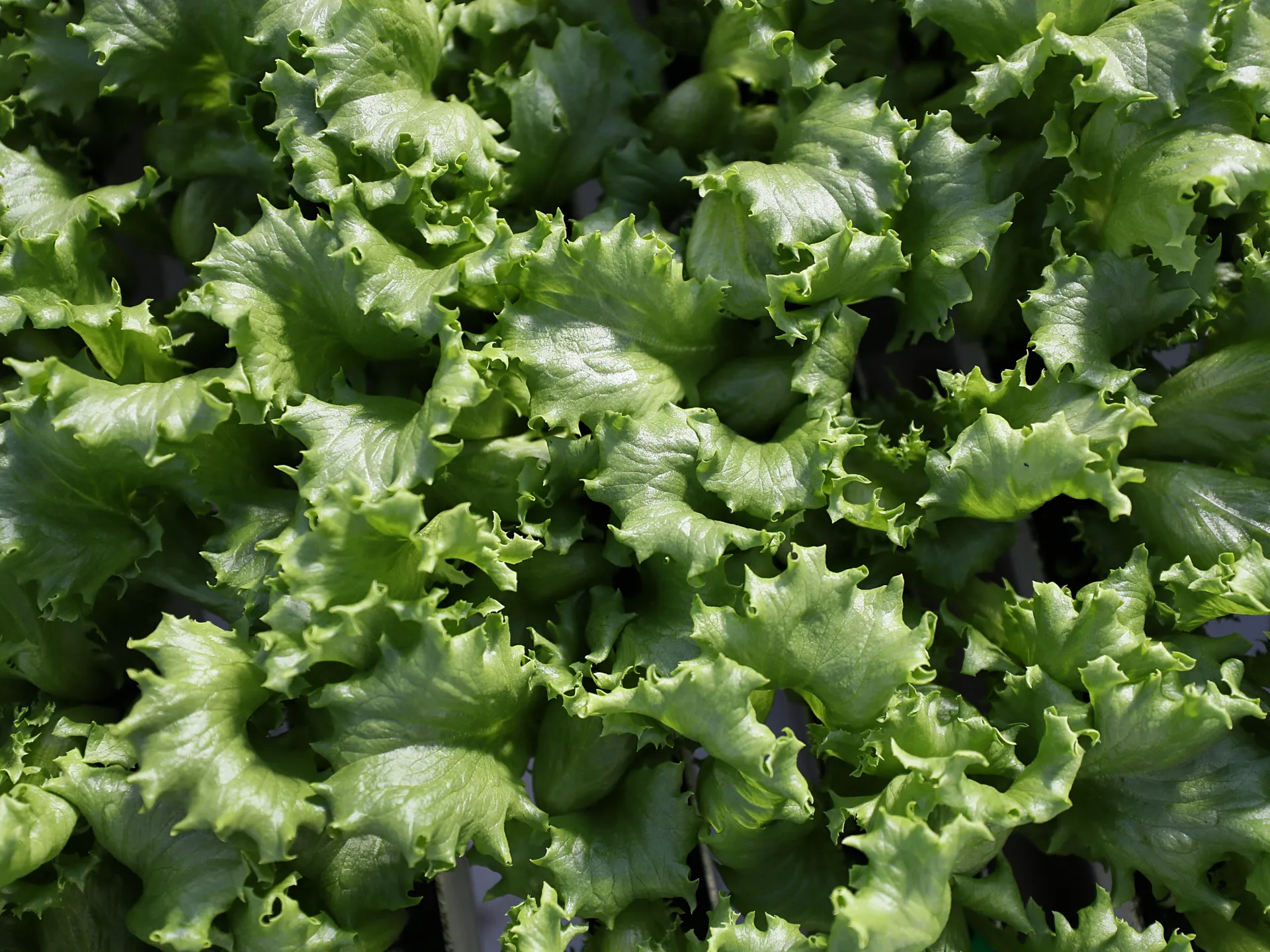
The parasite, which causes prolonged gastrointestinal illness, is linked to contaminated fresh produce such as lettuce, herbs, and berries. While the specific source remains unconfirmed, the Food and Drug Administration (FDA) is tracing supply chains to identify where contamination occurred. The investigation involves interviewing infected individuals about their dietary history and following those foods back through distributors and suppliers, potentially to the farm level.
Michigan has reported the highest number of infections, with between 501 and 900 cases. Other heavily affected states include New York, with 161 to 300 cases, and North Carolina, with 81 to 160 cases. However, Michigan health officials have noted that the state’s high case count may be partly attributed to aggressive local investigation and reporting practices rather than solely a higher incidence of the parasite. Natasha Bagdasarian, Michigan health department’s chief medical executive, suggested this intensity contributes to the perception of a regional problem.
No specific produce item, grower, or supplier has been confirmed as the cause of the current outbreak. Michigan health officials have identified lettuce as a possible source, but this remains unconfirmed. The CDC’s acting parasitic diseases branch chief, Dianna Blau, stated there is no evidence the parasite has evolved to become more infectious. The agency expects infection numbers to continue rising through August 2026.
In response to the growing concern, Taco Bell has removed lettuce, cilantro, pico de gallo, and guacamole from menus at some locations as a precaution. The illness is treated with antibiotics, specifically trimethoprim-sulfamethoxazole, and officials advise thorough washing of fresh produce. The CDC notes that while the illness is rarely life-threatening, it can cause symptoms lasting several weeks if not treated.