DHS launches probe into immigration scam network as fraud complaints surge
Following a ProPublica report revealing that fraud complaints doubled under the second Trump administration, the US Department of Homeland Security has declared an “all-out war” on a sophisticated network of scammers exploiting immigrants through fake legal services and impersonation.
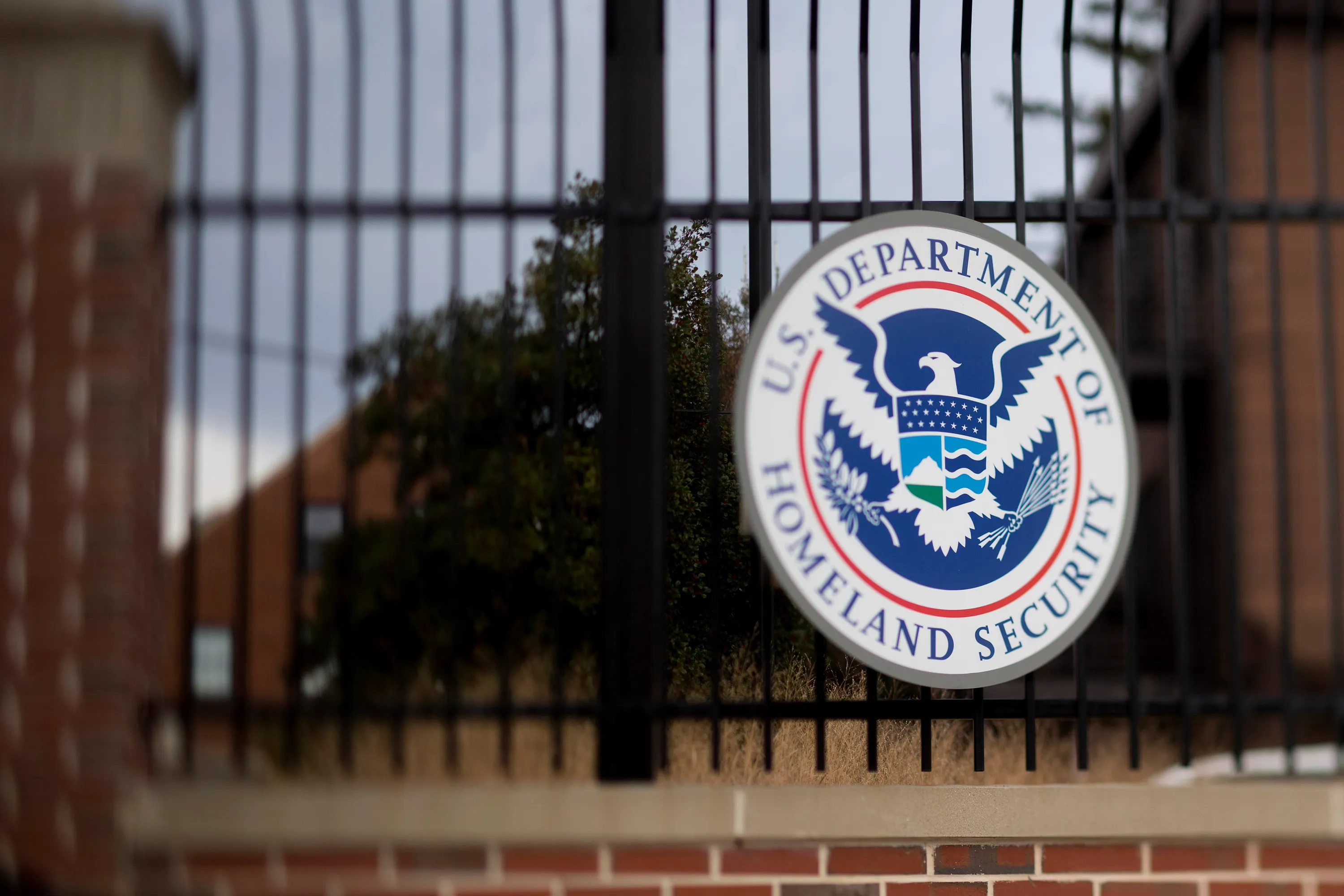
The US Department of Homeland Security has initiated a targeted investigation into a network of fraudsters who pose as lawyers and Immigration and Customs Enforcement (ICE) agents to exploit individuals facing immigration proceedings. The move follows a ProPublica report indicating that complaints of such fraud doubled during the second administration of President Donald Trump, prompting the agency to ramp up efforts to identify and dismantle the operation.
Homeland Security Investigations, the subagency tasked with tracking international crimes, is seeking to trace digital footprints including URLs, WhatsApp numbers, and payment details on the app Zelle. A DHS statement described the scammers as contributing to a “lawless environment” that undermines the immigration system and poses risks to national security. The investigation aims to identify those who bilk victims of their savings and, in some cases, cause them to miss court dates, leading to deportation.
ProPublica’s analysis of Federal Trade Commission data reveals that at least $94.4 million was stolen over a five-year period, with more than 6,200 complaints recorded. The fraud often involves scammers advertising on social media platforms such as Facebook and TikTok before moving conversations to the encrypted messaging app WhatsApp. Victims are frequently coerced into sending money via Zelle in exchange for fake immigration filings or promises to avoid in-person court hearings.
The schemes have resulted in severe consequences for victims, including deportation. One case detailed in the inquiry involved a woman who, fearing immigration sweeps, paid scammers who posed as legal aid. After receiving the funds and causing her to miss a court date, she was deported to Nicaragua. Experts note that these scams, sometimes referred to as “notario fraud,” often rely on the mistranslation of the word “notary” to imply legal credentials, particularly among Latin American communities.
The sophistication of the fraud has increased with the use of AI-generated deepfake videos. South Florida immigration attorney Angel Leal reported that his likeness was used in hundreds of realistic videos to solicit funds, forcing his office to hire an anti-piracy agency to remove over 6,000 fake profiles. Advocacy groups such as Catholic Charities USA have also been impersonated, with officials confirming that legitimate agencies do not solicit money via WhatsApp or Zelle. The American Bar Association and other legal bodies have warned the public to be wary of such tactics as the investigation continues.