UN agencies warn of mass casualty event as Rohingya boats sink off Myanmar coast
Preliminary data indicates two vessels carrying predominantly Rohingya passengers lost contact or sank in late June and early July, marking a significant escalation in mortality on one of the world’s deadliest maritime routes.
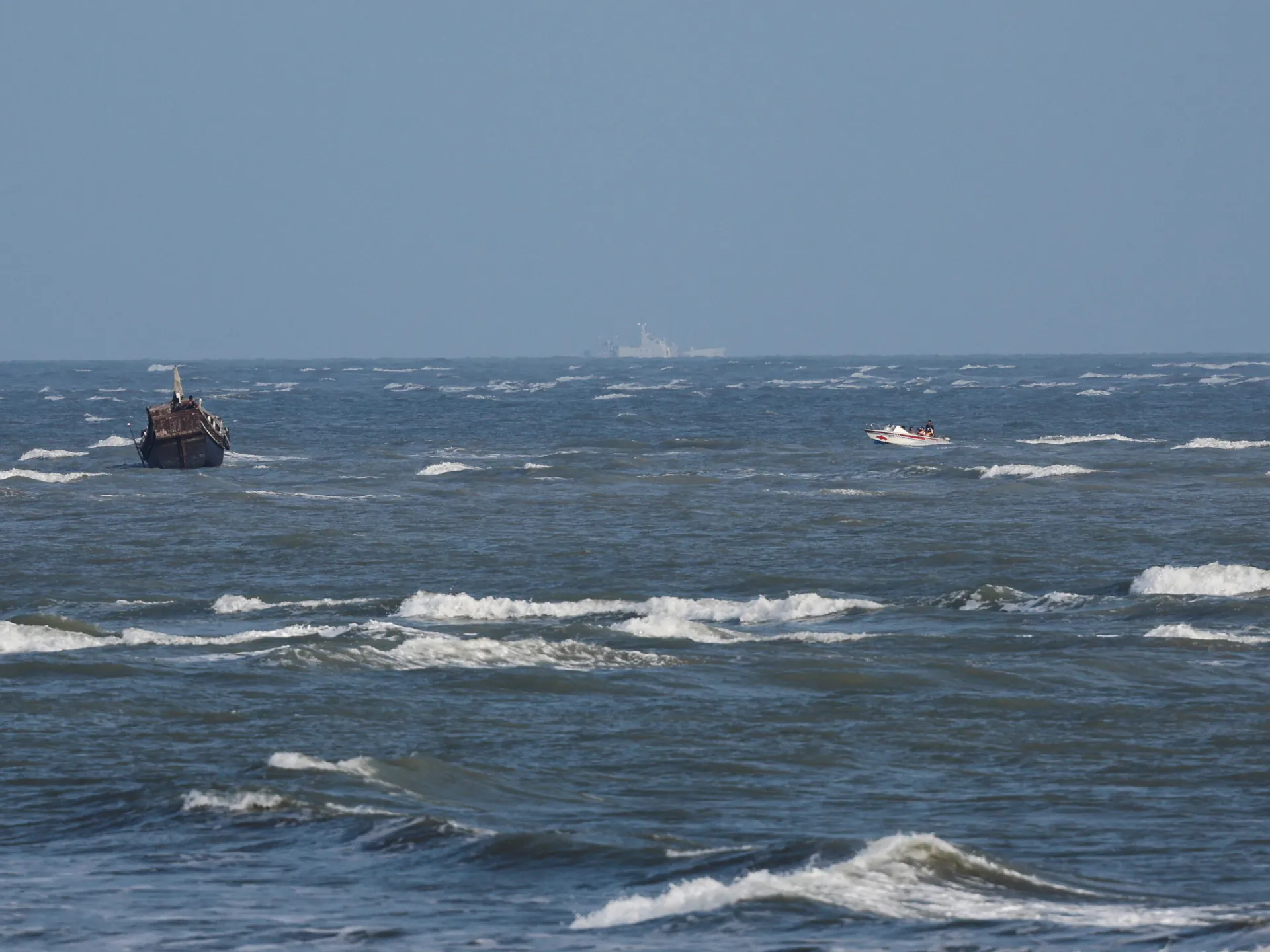
United Nations agencies have reported that more than 500 people are feared dead after two boats carrying predominantly Rohingya passengers capsized off the coast of Myanmar. The International Organization for Migration (IOM) and the UN refugee agency (UNHCR) confirmed that the vessels departed from Rakhine State in late June, with casualty figures remaining unconfirmed but described as potentially devastating.
According to preliminary information released on Thursday, one boat carrying approximately 250 people lost contact shortly after departure. A second vessel, believed to be carrying about 280 people, is thought to have sunk off the Ayeyarwady coast on July 8. The agencies expressed grave concern over the incidents, noting that recent torrential rain and flooding across the region have made sea journeys particularly dangerous during the monsoon season.
These latest reports add to a growing death toll in the Andaman Sea and Bay of Bengal, where more than 300 people, including Rohingya refugees and Bangladeshi nationals, had already been killed or reported missing earlier in the year. The UNHCR highlighted that 2025 was the deadliest year for Rohingya sea departures, with nearly 900 reported dead or missing out of more than 6,500 who fled. This represents the highest mortality rate for any major refugee or migrant sea route globally.
The crisis is underpinned by the ongoing displacement of approximately 1.2 million stateless Rohingya in overcrowded camps in Bangladesh. Conditions have deteriorated following steep cuts to foreign aid by the United States and other nations, which have led to ration cuts within the camps. Meanwhile, those remaining in Myanmar face severe restrictions and confinement in internment camps, with the military government maintaining control despite accusations of genocide following actions in 2017.
In response to the tragedy, the IOM and UNHCR urged the international community to support those trapped in Bangladesh and called for stronger regional efforts to prevent further loss of life. The agencies emphasised the need for enhanced search and rescue operations, access to asylum and protection, and targeted actions against smuggling and trafficking networks along this perilous maritime corridor.