US-Iran Strait of Hormuz talks stall as Tehran demands sanctions lift and reparations
Iran refuses to reopen the critical shipping lane until Washington meets six conditions, including the end of the naval blockade and the release of frozen assets, while the US seeks compensation for alleged damages.
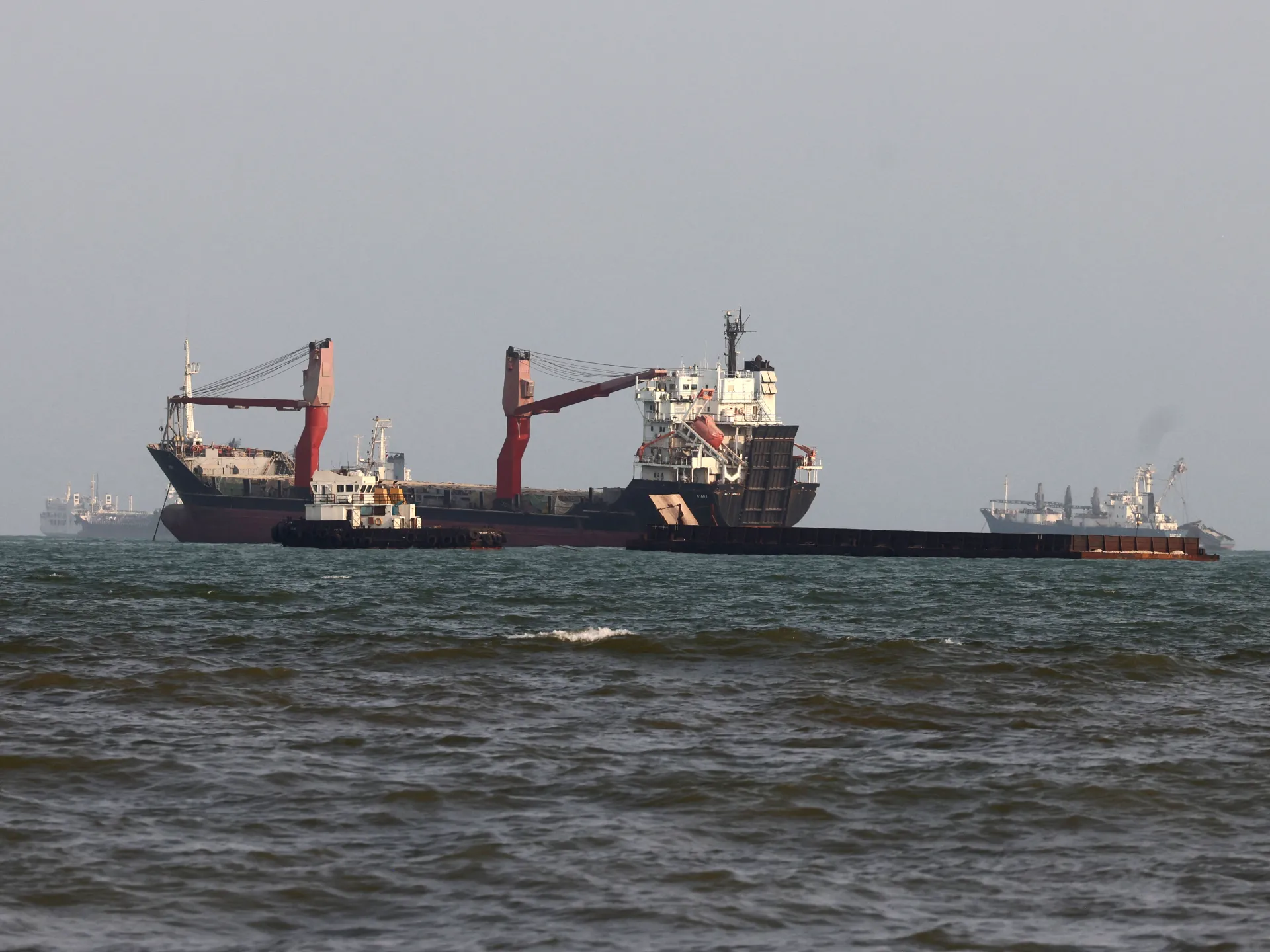
Diplomatic negotiations between the United States and Iran remain in deadlock over the control and reopening of the Strait of Hormuz, with Tehran refusing to lift its blockade until specific demands regarding US aggression, reparations, and sanctions are met. While US President Donald Trump has asserted that Washington holds total control of the waterway, Iranian authorities strongly deny this, maintaining that the Islamic Revolutionary Guard Corps manages the strait and that shipping traffic has dropped to a one-week low due to the ongoing blockade.
The dispute centres on the interpretation of a memorandum of understanding signed on 17 June, which was intended to keep the strait open for 60 days. Disagreements have since erupted over the management of shipping routes and whether fees could be charged to vessels. Iran has stated it is not engaging in direct talks with Washington, citing the US decision to restart strikes in July as a violation of the agreement. Instead, Tehran is holding discussions with Oman regarding the establishment of safe inbound and outbound shipping lanes, a process Qatar’s Foreign Ministry described on Tuesday as reaching an advanced stage.
Iran’s Supreme National Security Council outlined six conditions for reopening the strait at the end of last week. These demands include the lifting of the US naval blockade, the removal of sanctions, the unconditional release of frozen Iranian assets, and compensation for damages attributed to what Tehran calls two imposed wars. The council also called for an end to US threats and a permanent cessation of attacks on Iran and its allies in Lebanon, Palestine, Yemen, and Iraq.
In response, President Trump stated on Monday that his administration would seek payment for 50 years of damage caused by Iran. He cited 52,000 deaths among US forces and civilian protesters in Iran over the past four months as justification for the reparations claim. This figure stands in stark contrast to reports from the Human Rights Activists News Agency, which reported approximately 7,000 deaths during antigovernment protests in January prior to the conflict.
Mediators including Pakistan are attempting to facilitate broader peace talks, with Interior Minister Mohsin Naqvi holding discussions with senior Iranian officials in Tehran. Meanwhile, Iran’s Foreign Minister Abbas Araghchi accused the US of long-term miscalculation due to intelligence failures, particularly regarding the war launched alongside Israel on 28 February. Analysts suggest that domestic pressure and concerns over dwindling defensive munitions may compel the US to concede to some Iranian demands to avoid further escalation.