Romania shuts down Cernavoda nuclear plant as Danube drought deepens
Record-low river levels force the closure of Eastern Europe’s critical energy infrastructure, prompting regional emergency measures and calls for reduced consumption.
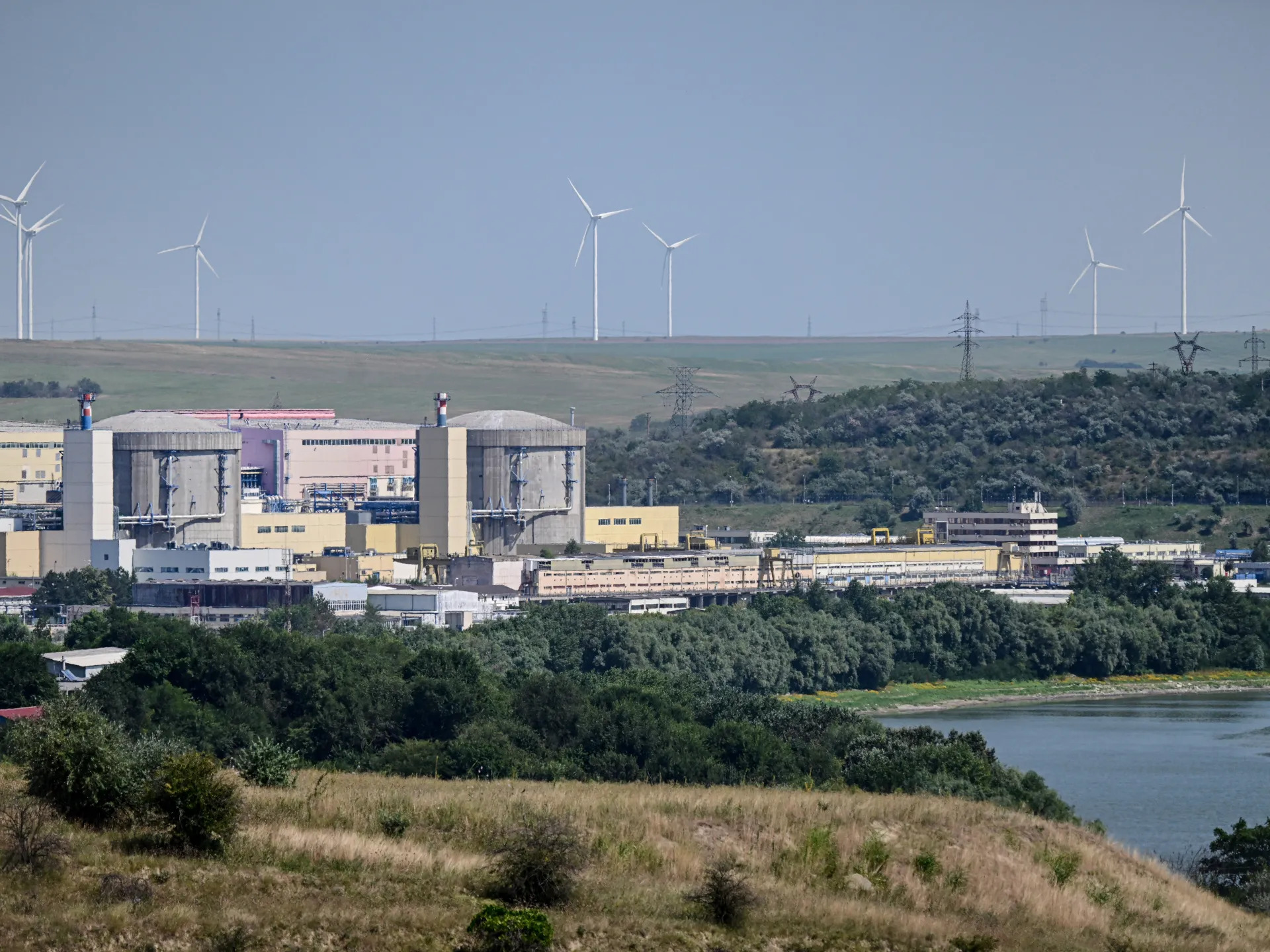
Romania has initiated a controlled shutdown of the second reactor at its Cernavoda nuclear power plant, marking the complete cessation of operations at the nation’s sole nuclear facility. The decision, confirmed by national energy operator Nuclearelectrica on Thursday, follows the initial closure of the plant’s first reactor last month. The shutdown is necessitated by record-low water levels in the Danube River, which are essential for cooling the reactors.
The Cernavoda plant typically generates one-fifth of Romania’s electricity. In an effort to maintain operations, authorities had allocated more than 2 million euros ($2.3m) to divert the Danube’s flow. These measures included sinking four barges filled with rocks into the river and detonating a large rock formation that was restricting water access to the plant. Despite these interventions, the drought conditions persisted, forcing the final closure.
Romeo Urjan, director of the Cernavoda plant, indicated to the AFP news agency that operations are not expected to resume within the next 10 days. The shutdown coincides with a severe drought across Europe, which has reduced flow rates in nearly two-thirds of the Danube to their lowest levels in over three decades, according to an analysis by the European climate change observatory Copernicus.
In response to the supply gap, the Romanian Ministry of Energy stated that alternative power sources, including wind energy and electricity imports, would be utilised to maintain grid stability. However, the ministry has issued an appeal for responsible consumption and warned that large industrial users may face restrictions on their electricity usage during evening hours as a last resort to prevent broader blackouts.
The crisis has prompted similar emergency actions in neighbouring Hungary, where the Paks nuclear plant is also cooled by the Danube. Hungarian Prime Minister Peter Magyar announced on Wednesday that the government has ordered the construction of a submerged weir to control water flows near Paks. Additionally, two 80-metre barges are being stationed at the facility to potentially raise water levels. Paks, which typically covers about a third of Hungary’s electricity needs, has been partially shut down since late last month.
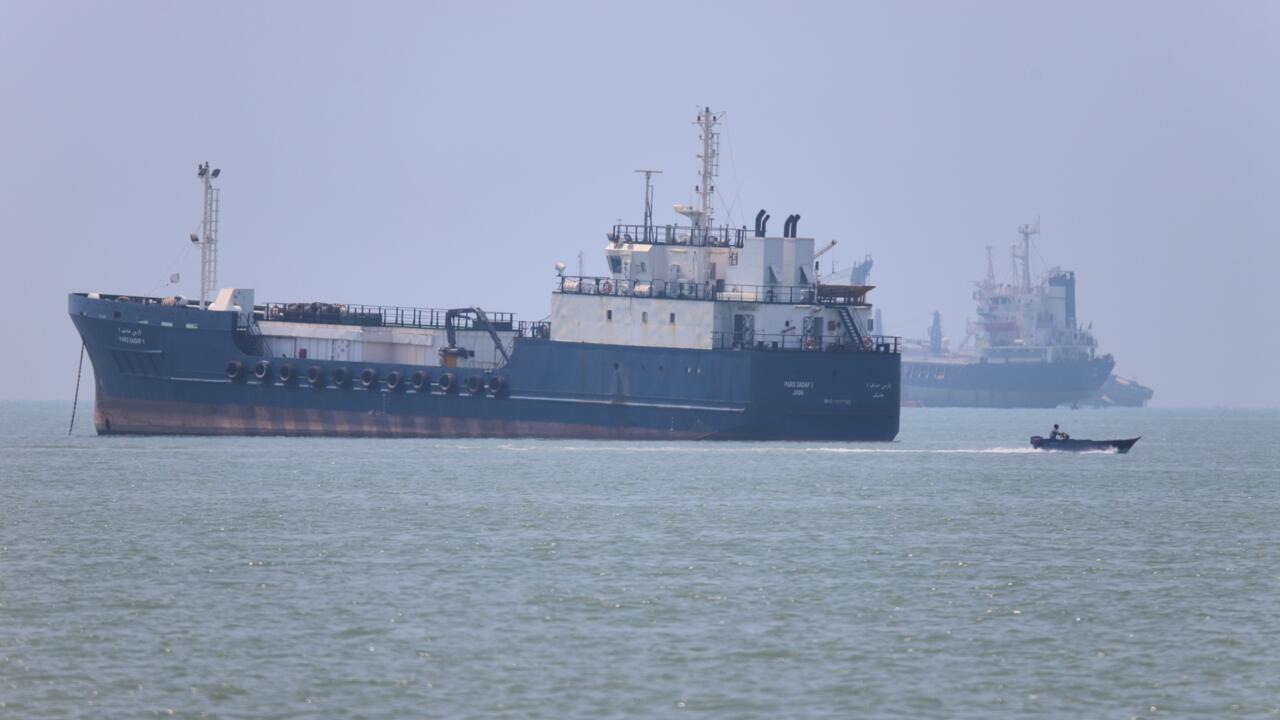
The low water levels have also severely disrupted shipping along the Danube, Europe’s second-longest river, which stretches 2,850km from western Germany to the Black Sea. The ongoing drought continues to impact critical infrastructure and trade routes across the region.