Burnham Launches Cost of Living Tour as Inflation and Energy Costs Bite
New data reveals 7.4 million low-income families cannot afford essentials as petrol and diesel prices surge following the closure of the Strait of Hormuz.
UK Prime Minister Andy Burnham has initiated a month-long nationwide tour aimed at addressing public financial concerns as the government grapples with a persistent cost of living crisis. The initiative comes as new data indicates that inflation remains elevated, driven largely by energy price spikes resulting from the ongoing US-Israel conflict in Iran and the subsequent closure of the Strait of Hormuz.
The annual inflation rate stood at 2.8 per cent in June, a slight decrease from 3 per cent in May but significantly higher than pre-conflict forecasts which predicted a drop to 2.3 per cent by 2026. The Bank of England has revised its outlook, warning that inflation is likely to climb further in the second half of the year as the fallout from the geopolitical instability continues to impact household bills and supply chains.
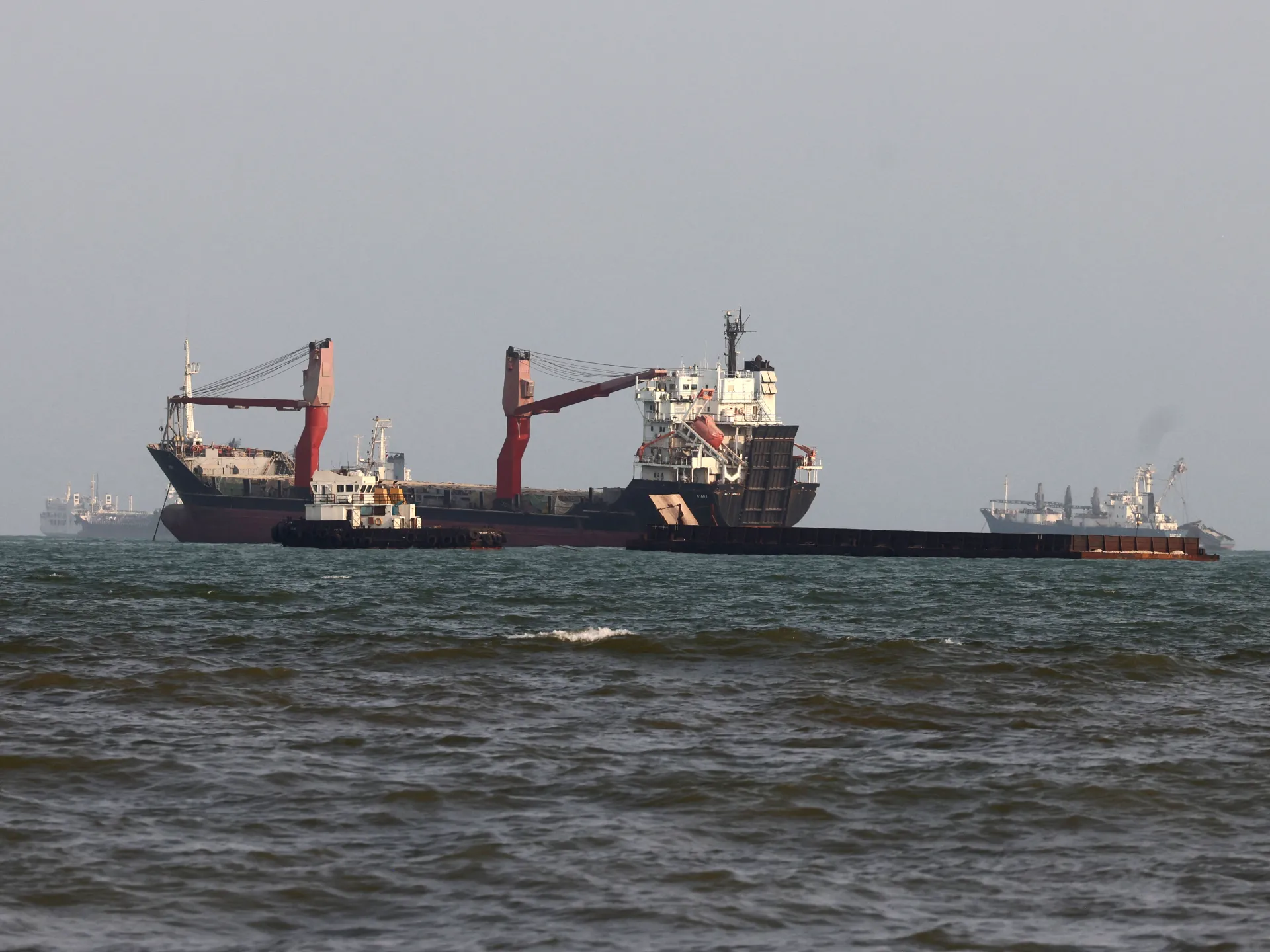
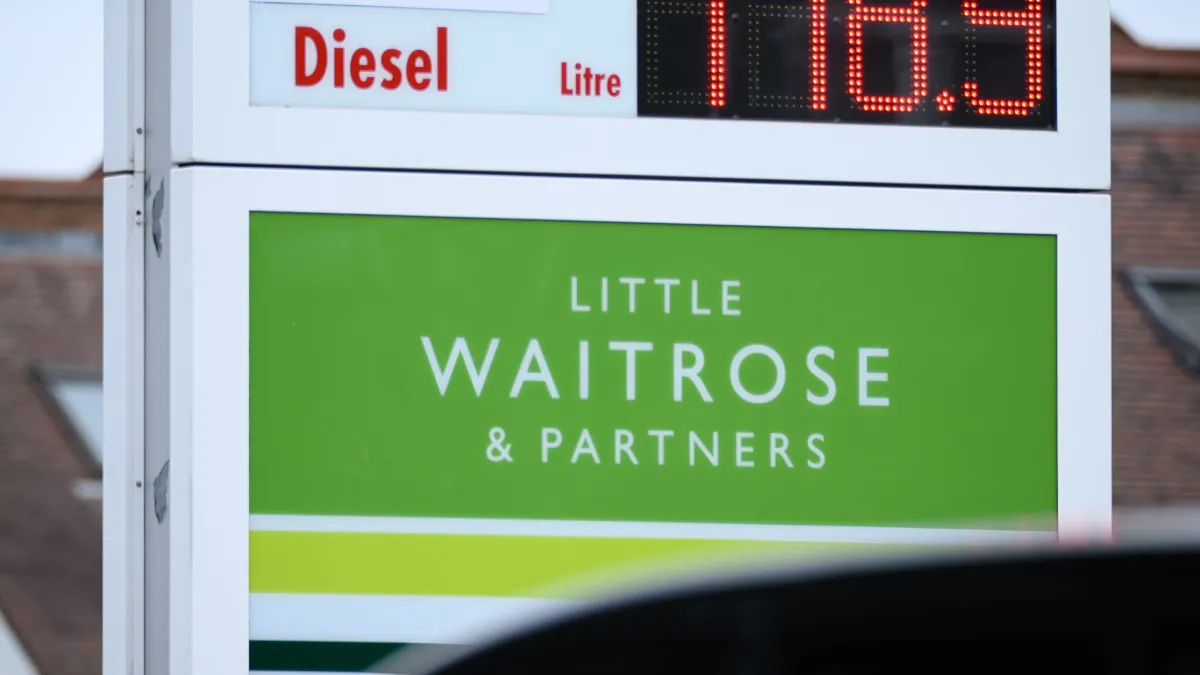
Fuel costs have become a primary driver of this economic pressure. Following the closure of the Strait of Hormuz, a critical route for global oil and liquefied natural gas supplies, petrol and diesel prices have surged. Data from the RAC Foundation shows that between late February and mid-August, petrol prices rose by 22 per cent and diesel by 27 per cent. The average price of a litre of petrol reached 1.61 pounds, marking a three-and-a-half-year high, while diesel climbed to 1.81 pounds per litre.
The burden of these rising costs is not distributed equally across the population. The Office for National Statistics highlights that lower-income households are disproportionately affected due to their higher proportion of spending on essentials such as housing, energy, and transport. Research from the Joseph Rowntree Foundation indicates that 7.4 million low-income families are currently unable to afford essential items, the highest figure recorded since the charity began tracking the crisis in 2021.
While food price inflation has slowed to 1.7 per cent in June from 2.2 per cent in May, economists warn of further pressure ahead. The Bank of England predicts food inflation could rise to nearly 3.5 per cent by December, with supermarkets forecasting increases of 4 to 5 per cent by year-end. Compounding these challenges, weekly real earnings have dipped to 0.1 per cent, reducing households' capacity to absorb rising prices for goods and services.