Turkiye details institutional mechanisms for Mecca Joint Defence Agreement with Pakistan and Saudi Arabia
The Turkish defence ministry has confirmed that the Mecca Joint Defence Agreement, signed on 7 August, will establish strategic political and military mechanisms involving senior government officials, with a focus on unmanned systems and artificial intelligence.
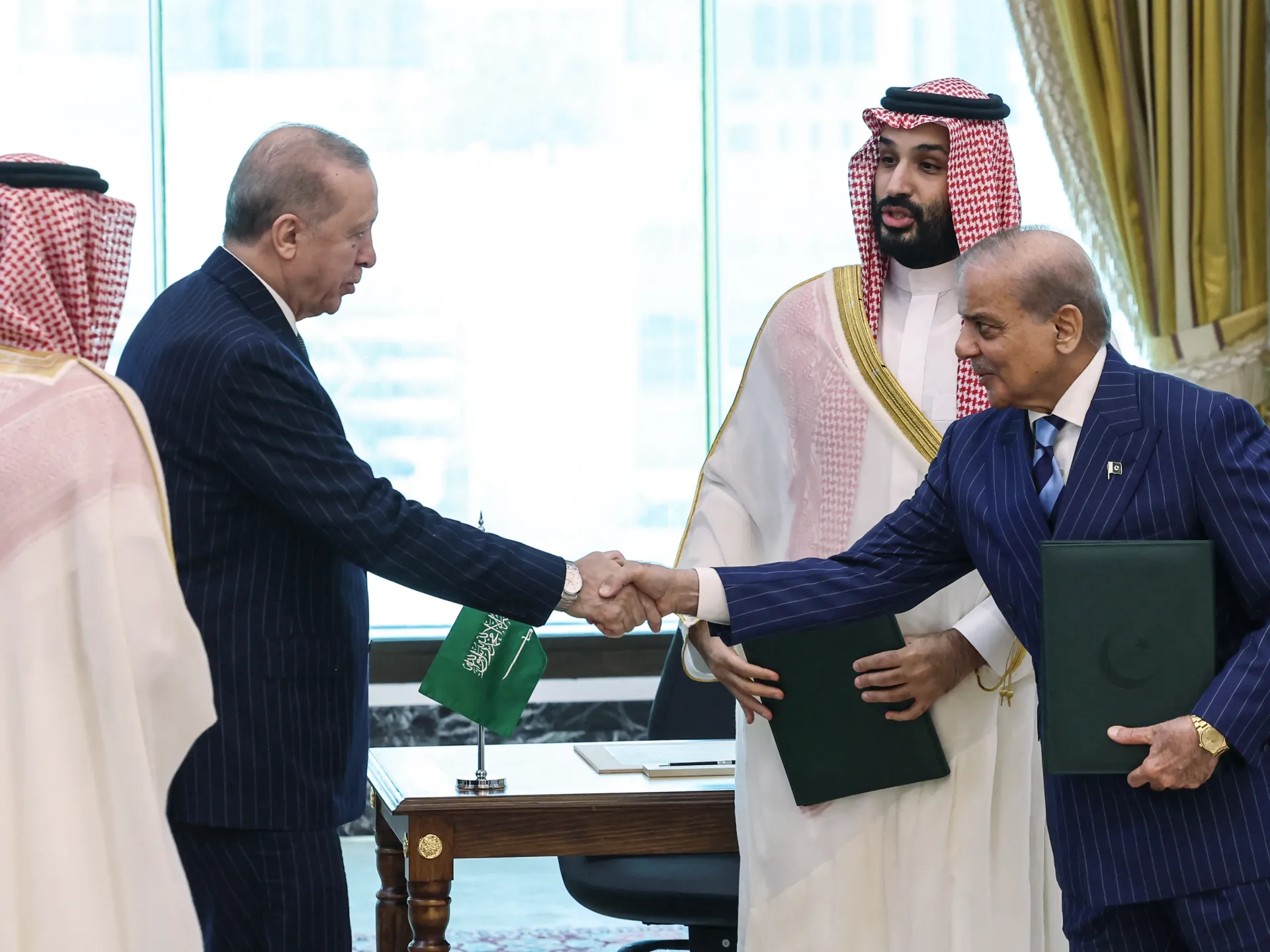
Turkiye, Saudi Arabia and Pakistan have established the operational frameworks for the Mecca Joint Defence Agreement, which was signed on 7 August. The Turkish defence ministry stated that the pact aims to place military ties on a more institutional and sustainable footing, moving beyond ad hoc cooperation to structured political and military coordination.
Under the accord, strategic mechanisms will involve regular engagement between Defence Ministers, Foreign Ministers, and Chiefs of General Staff or Armed Forces Commanders. Coordination among the three nations will be conducted at the highest level, ensuring that policy alignment and military planning are integrated across government branches.
The agreement includes collective defence provisions similar to NATO’s Article 5, stipulating that an armed attack against any member will be regarded as an attack on all. To support this, joint military exercises involving land, naval and air forces are planned, with specific focus on air defence and unmanned systems.
Defence industry cooperation is a central pillar of the pact, prioritising unmanned and autonomous systems, electronic warfare, and artificial intelligence capabilities. The Turkish ministry outlined that the goal is to move beyond simple product supply to include joint development, production, technology cooperation, and sustainable maintenance and logistics support.
Turkiye, which maintains NATO’s second-largest army, described the pact as open to expansion, citing Egypt as a potential candidate. Ankara emphasised that the agreement does not seek to replace existing alliances, noting the strategic weight of its partners, including nuclear-armed Pakistan and top oil exporter Saudi Arabia.
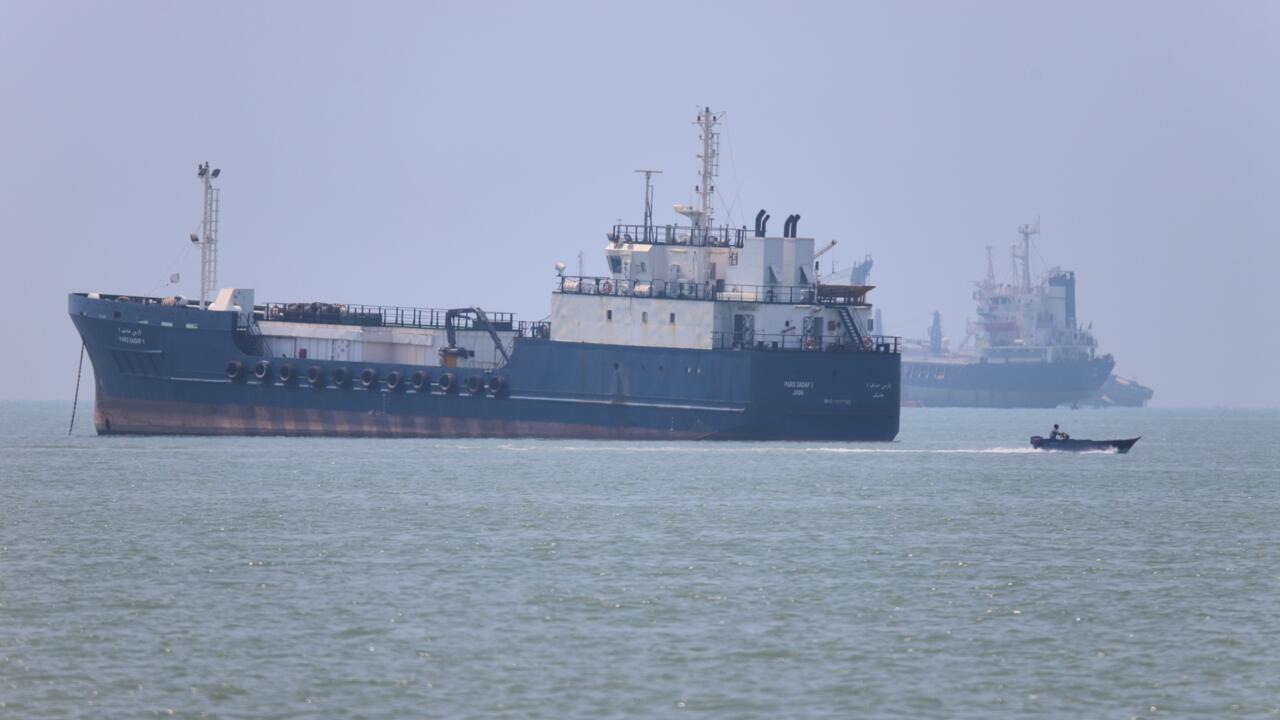
In parallel diplomatic efforts, Turkiye is participating in meetings in Jeddah to help establish an international coalition aimed at protecting Red Sea shipping. This initiative runs alongside the broader security architecture being developed through the Mecca pact.
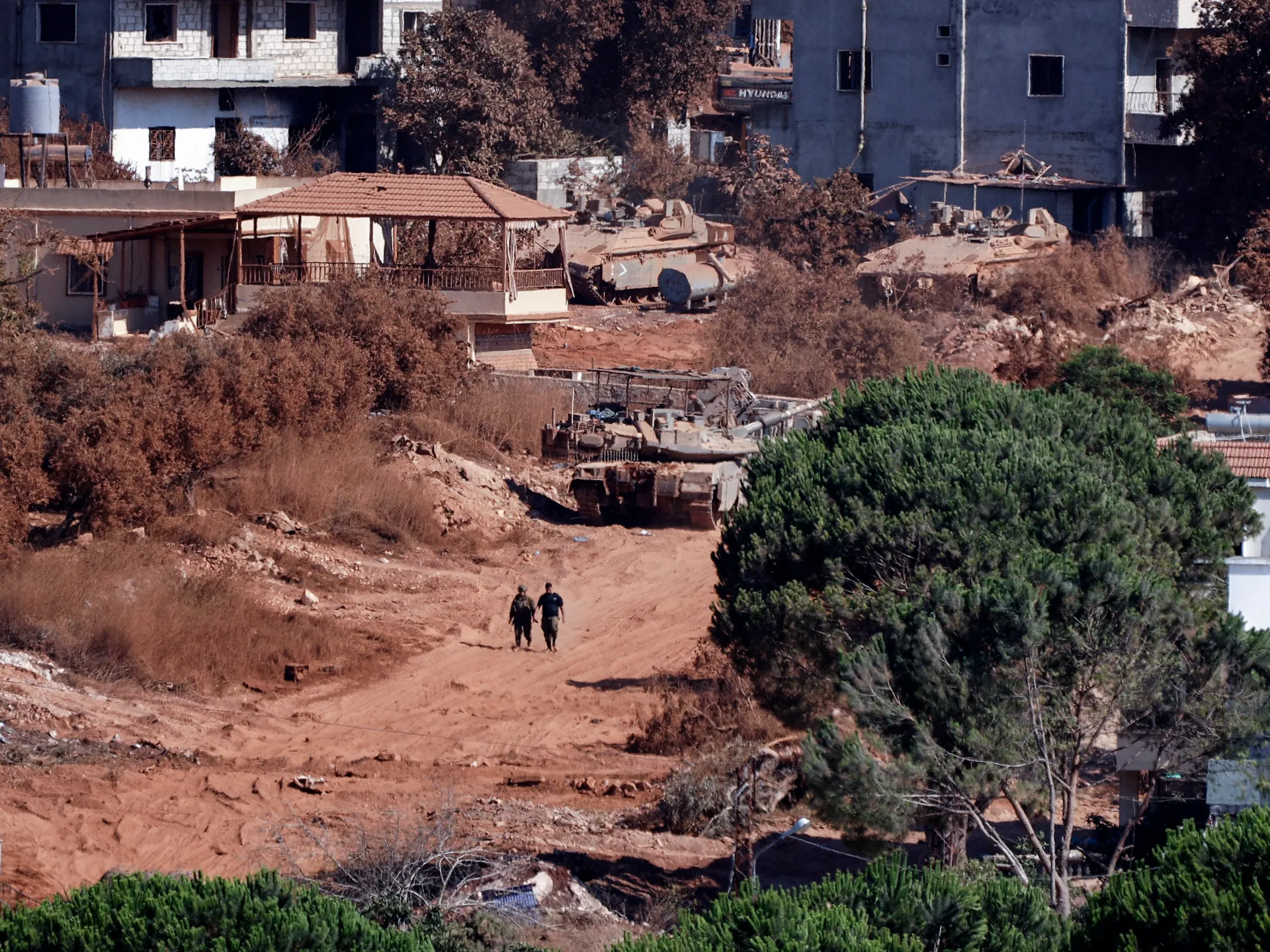
During a weekly briefing in Ankara, Turkish defence ministry spokesperson Rear Admiral Zeki Akturk linked regional stability to the conflict in Gaza and Lebanon. He stated that lasting peace requires Israel to end its occupation and attacks, pointing to Israel’s rejection of the US-proposed 15-point Gaza Plan as evidence of a policy of regional expansionism.
Akturk urged the international community to uphold international law and humanitarian values, citing UN reports that highlight the deepening humanitarian crisis in Gaza. He argued that a stronger stance against these actions is essential for establishing peace and stability in the Middle East.