US dollar rises on oil surge and inflation anticipation ahead of RBA decision
The US dollar index climbed 0.20% to 99.80 on Monday, supported by rising oil prices and a shift in Federal Reserve rate expectations, while the Australian dollar dipped ahead of the Reserve Bank of Australia’s policy announcement.
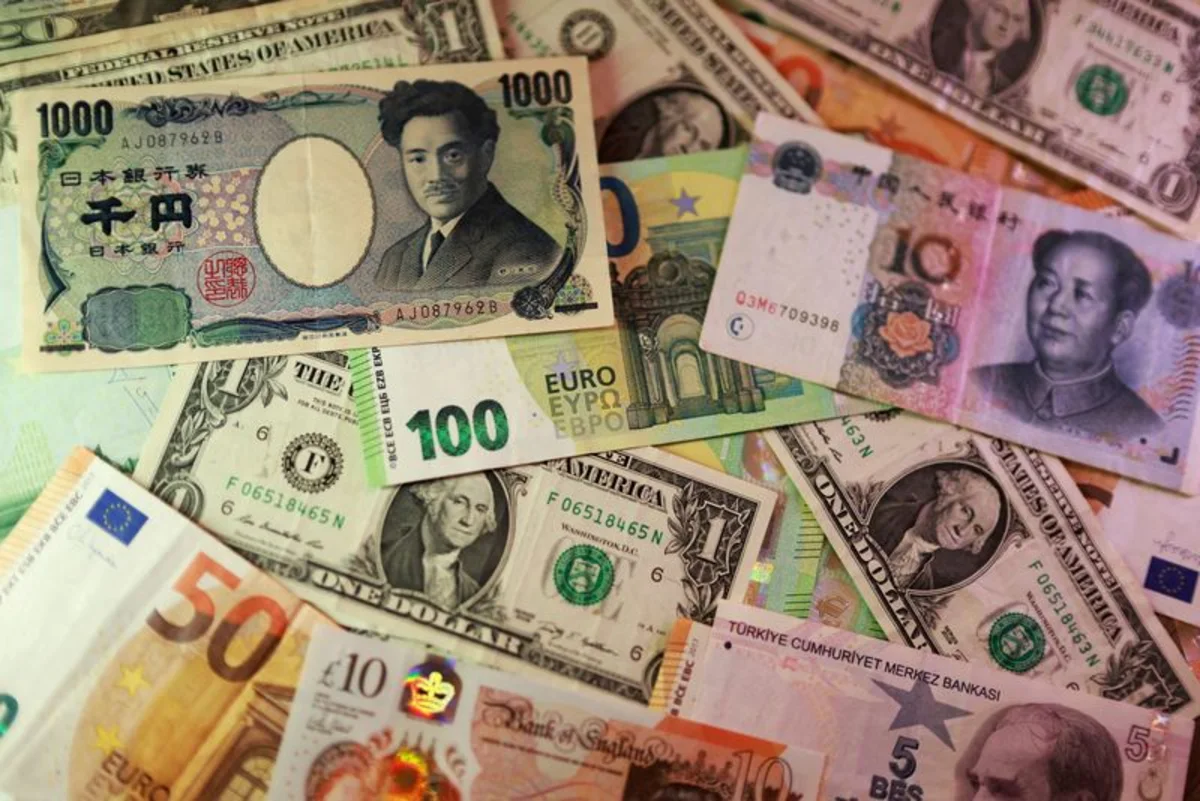
The US dollar strengthened on Monday, buoyed by rising oil prices and market anticipation of the July consumer price index report. The currency gained ground against major peers, including the Japanese yen, which suffered its steepest daily decline in nearly five months, and the Australian dollar, which fell ahead of the Reserve Bank of Australia’s expected interest rate decision.
Oil prices jumped more than 4% on Monday after the United States and Iran exchanged demands for compensation, reducing prospects for a deal to reopen the Strait of Hormuz. The escalation in geopolitical tensions provided support for the greenback, even as broader market sentiment remains cautious following a weaker-than-expected US jobs report on Friday.
Market expectations for a Federal Reserve rate hike in September have decreased to 52%, down from 67% the previous week. Analysts attribute the lower odds to slowing job growth and significant negative revisions to recent employment data. Adam Button, chief currency analyst at investingLive, noted that the combination of a bad jobs report and terrible revisions has shifted the outlook for the September meeting.
The Japanese yen weakened 0.84% to 159.14 per dollar. Speculators slashed their bearish bets on the yen by the largest amount in over 12 years, with net short positions falling by $8.865 billion to $3.604 billion in the week to August 4, according to data from the Commodity Futures Trading Commission. This reduction in short positions reflects coordinated efforts by Japanese and US authorities to strengthen the currency, which remains well off the multi-decade low of roughly 164 touched late last month.
The Australian dollar fell 0.16% to $0.7056 ahead of the Reserve Bank of Australia’s rate decision on Tuesday. The central bank is widely expected to hold its key interest rate at 4.35% through the rest of the year. Meanwhile, the dollar index rose 0.20% to 99.80, while the euro fell 0.13% to $1.1542.
TD Securities analysts noted in a report that while fresh US dollar downtrends are forming due to bearish catalysts, the currency remains supported against G10 currencies until soft inflation data allows markets to price out near-term rate hikes. Further clues on the inflation trajectory will emerge with producer price data on Thursday and retail sales figures on Friday.
Speculators also increased their net long position in the US dollar to the highest level since December 2022, underscoring the currency’s relative strength amidst global uncertainty. The dollar index, which measures the greenback against a basket of currencies, has found support despite the fading likelihood of an immediate rate hike.