Red Sea shipping toll rises as Houthi attack kills six and US strikes vessel
Concurrent strikes on containerships in the Red Sea and Gulf of Oman underscore the escalating risks to maritime logistics as geopolitical tensions intensify.
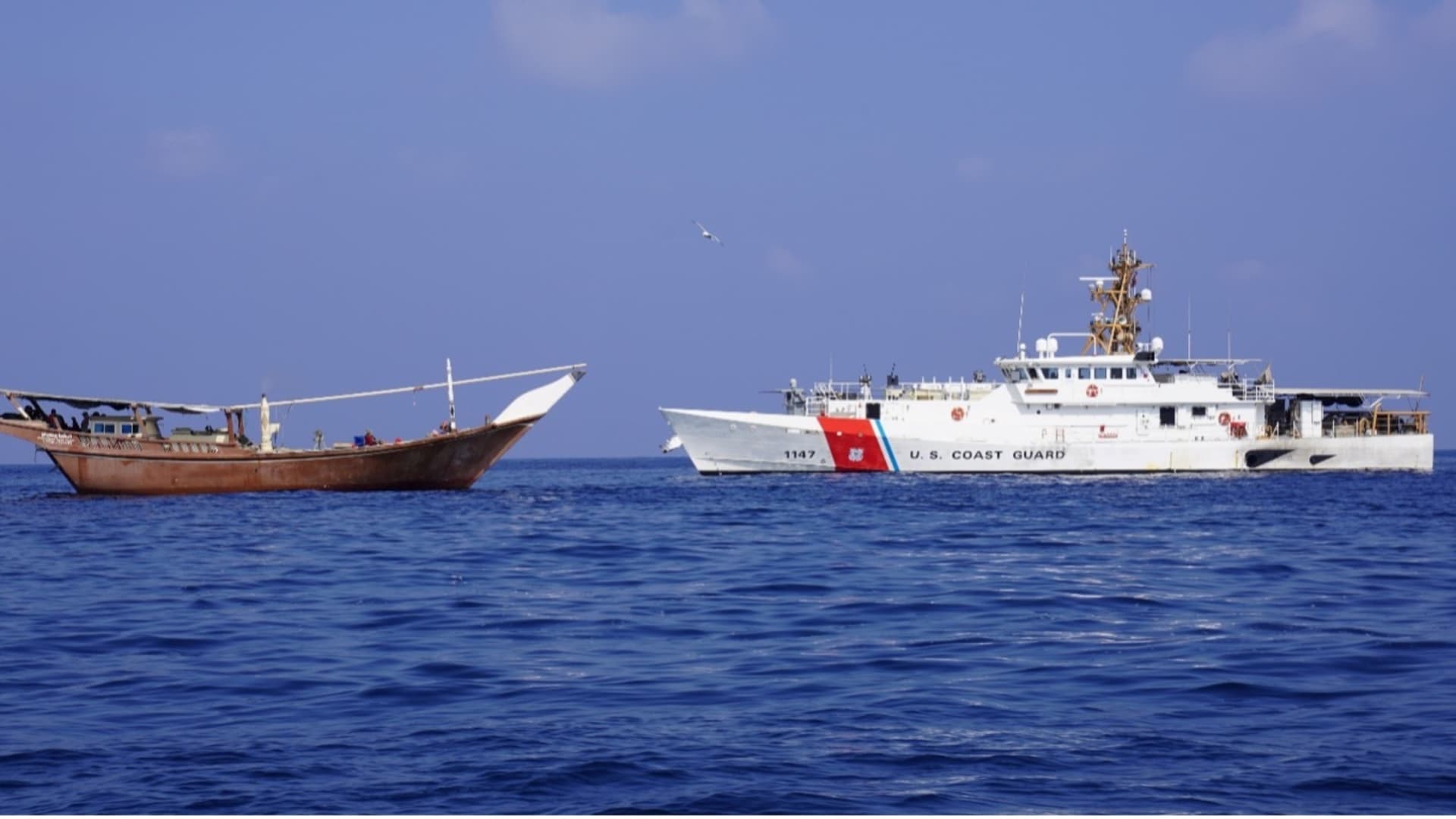
A Houthi attack on a containership in the Red Sea has resulted in six fatalities, marking the first shipping-related deaths in the region in over a year. The incident occurred alongside a separate US strike targeting a containership, while a distinct cargoship was hit in the Gulf of Oman, collectively disrupting critical global shipping lanes.
The violence underscores the collapse of the UN-backed 2022 truce in Yemen’s civil war, which deteriorated following a Saudi airstrike on the Sanaa airport runway on 13 July. That strike prevented the landing of an Iranian flight carrying a Houthi delegation, prompting the group to attack Abha airport in Saudi Arabia and impose a blockade on Saudi shipping in the Red Sea. The Saudi-led coalition has since struck Houthi positions in response.
According to reports from CNBC, the coordinated strikes highlight the widening toll of the broader conflict on international trade. The specific identities of the containership targeted by the US strike and the cargoship hit in the Gulf of Oman were not detailed in the source material, nor was the exact nature of the US military operation specified.
The fatalities represent a significant escalation in the security environment for maritime operators. The Houthi attack on the containership is linked to the broader US-Israel war on Iran, with the Red Sea serving as a key flashpoint for regional hostilities. The Bab al-Mandeb strait, a vital chokepoint for global commerce, has seen increased volatility as the conflict expands.
Market observers note that the disruption to these critical shipping lanes poses ongoing risks to supply chain stability. The concurrent nature of the Houthi and US strikes indicates a complex and volatile operational theatre, where commercial vessels face threats from multiple state and non-state actors. The incident serves as a stark reminder of the fragility of global trade routes in the face of escalating geopolitical conflict.