Trump declares 'economic D-Day' to break US-Iran deadlock
The US administration targets third-party nations trading with Tehran, seeking to expand the 'economic blast radius' of sanctions as military options stall.
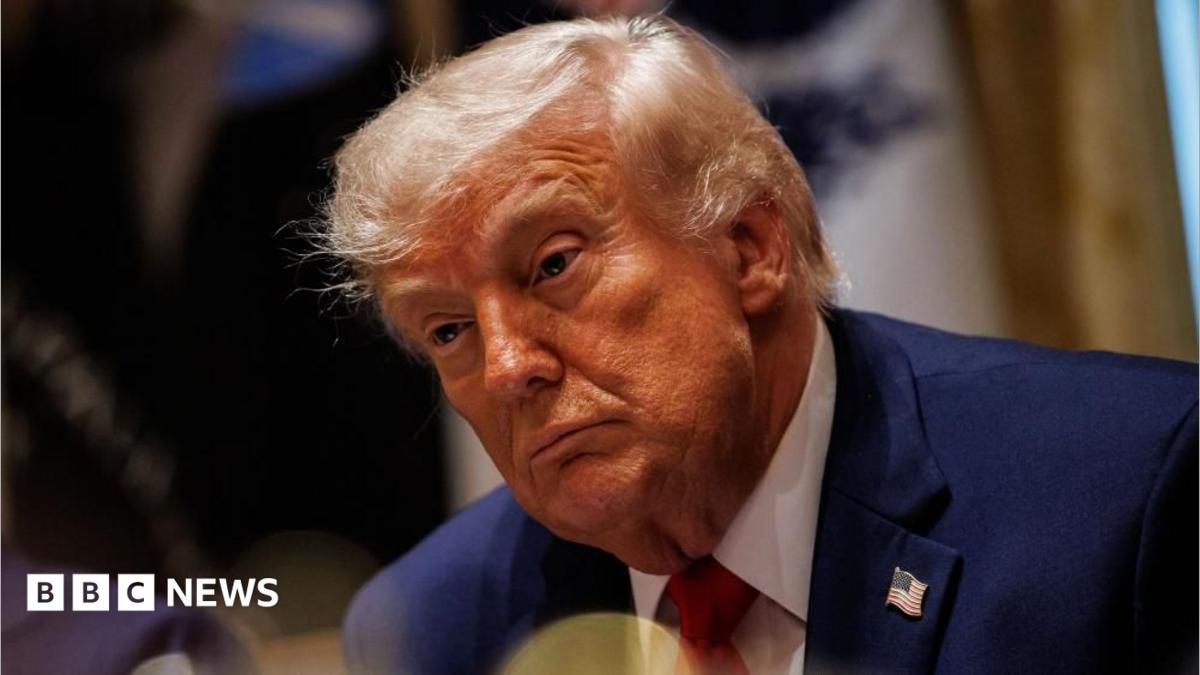
US President Donald Trump has announced a new 'economic D-Day' campaign designed to break the near six-month standstill in the conflict with Iran. The initiative threatens 'tremendous' economic consequences for any nation that continues to conduct business with Tehran, marking a shift from direct military engagement to broader financial pressure.
Treasury Secretary Scott Bessent stated that the US is prepared to act against any country, 'friend or foe,' that extends a lifeline to Iran. In an interview with CNBC, Bessent declared, 'You are either with us or against us,' warning that nations transferring money, purchasing Iranian oil, or conducting seaborne transfers would face the full force of the US Treasury. Specific mechanics of the campaign are scheduled to be revealed at a news conference on 24 August.
Vice-President JD Vance described the move as a 'new phase' of the conflict, asserting that economic pressure is the 'most effective' tool available to the US. Vance noted that Iran has felt significant pressure in recent weeks and argued that sustaining this approach is the best way to achieve the administration's final objective.
The strategy follows the US withdrawal from the 2015 Joint Comprehensive Plan of Action (JCPOA) and complements the existing 'Operation Economic Fury,' a two-pronged campaign combining Treasury-coordinated sanctions against regime financial flows with a naval blockade against Iranian ports. Imran Bayoumi, a geostrategy expert at the Atlantic Council, suggested the announcement reflects mounting frustration that previous options have not delivered the desired results.
Experts suggest the new strategy aims to 'expand the economic blast radius' by targeting third countries that rely on the US dollar but still trade with Iran. Michael Parker, a former official at the Office of Foreign Assets Control, noted that this approach targets anything touching the US dollar that is also touching Iran, a lever previously underutilised by the US government.
However, analysts question the long-term effectiveness of the measures given Iran's history of adapting to sanctions. Mohammed Hammouda, an export control manager at the London Stock Exchange, pointed to Iran's use of 'shadow' vessels and new commercial fronts to circumvent restrictions. The ultimate success of the campaign will depend on the willingness of targeted nations, including China, Turkey, and Iraq, to comply with US foreign policy objectives or face painful sanctions on trade involving the US dollar.