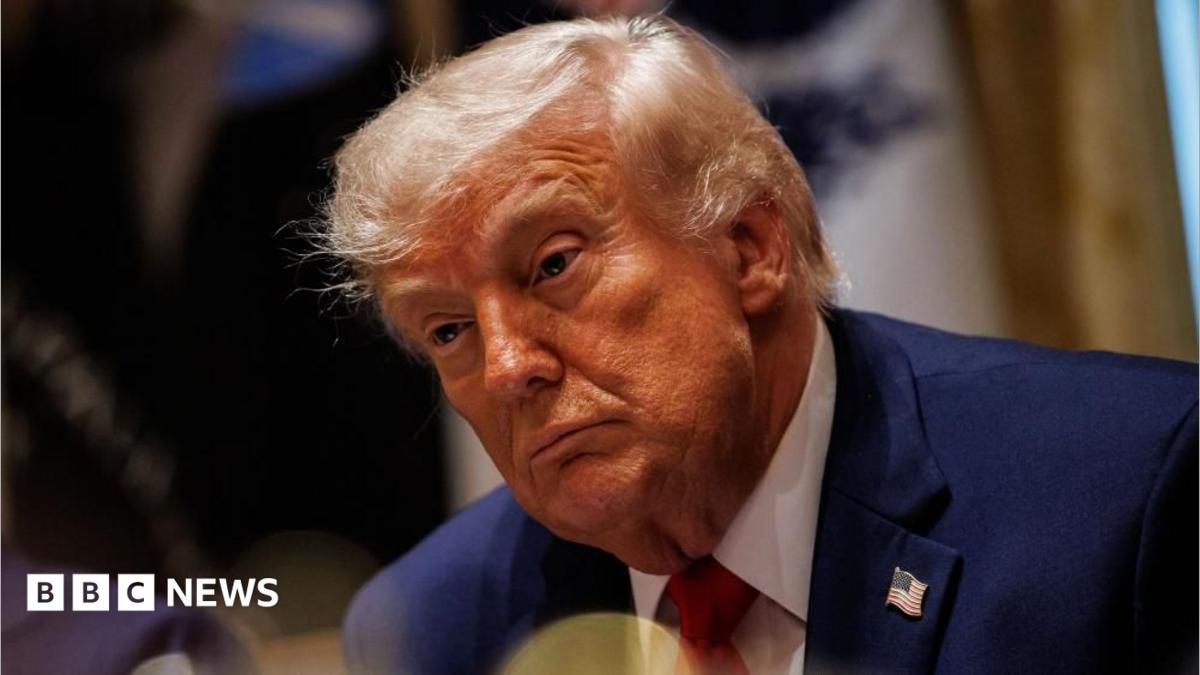
US Treasury unveils new sanctions package aimed at destabilising Iran
US Treasury Secretary Scott Bessent has announced a new set of economic measures against Iran, asserting they are designed to collapse the Iranian government while urging Beijing to align with the move.
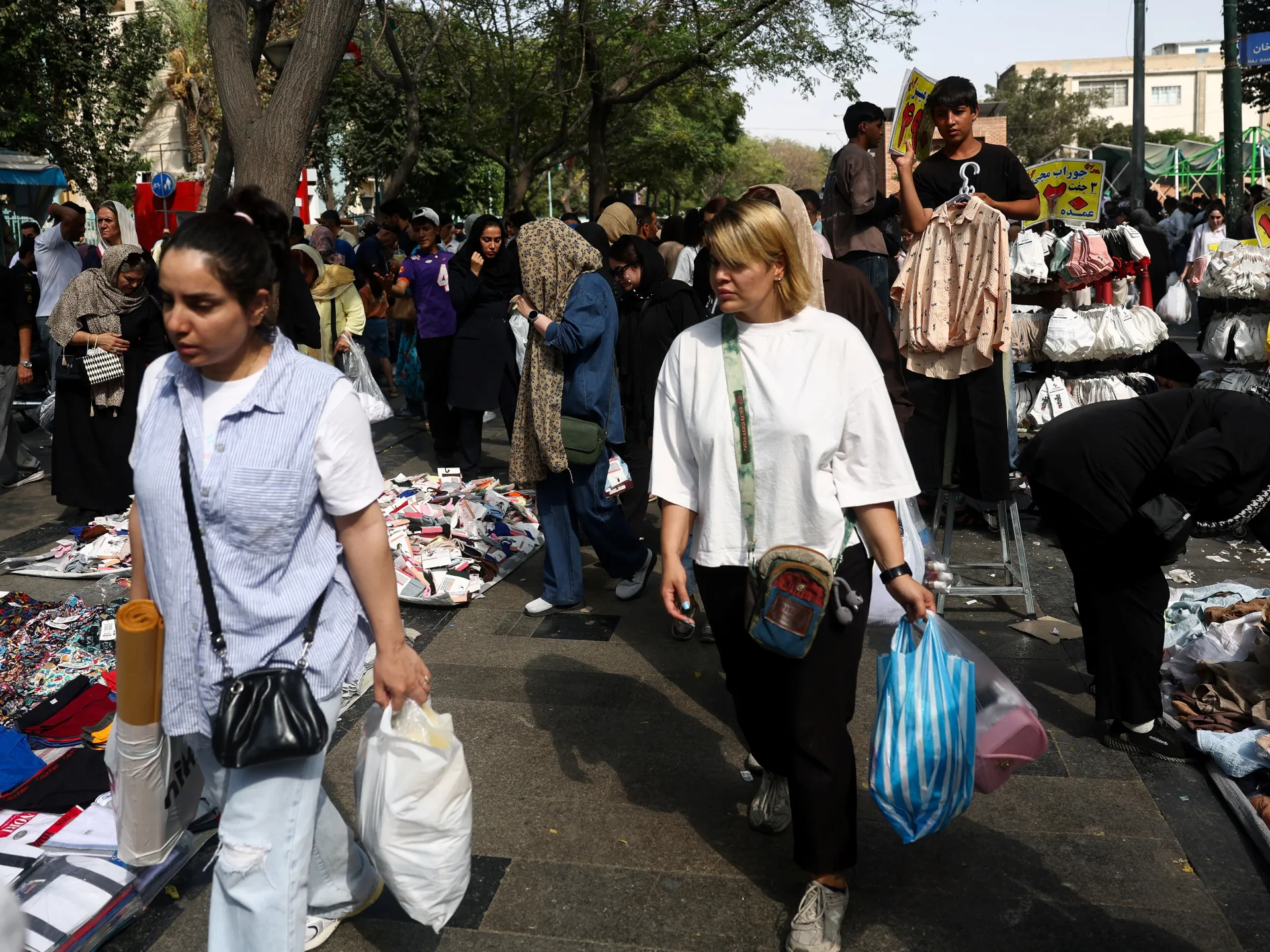
The United States has introduced a new package of economic measures targeting Iran, with Treasury Secretary Scott Bessent describing the initiative as the toughest sanctions regime yet. The announcement marks a significant escalation in US economic policy towards Tehran, shifting the focus from traditional trade restrictions to broader structural pressure.
Bessent stated that the primary objective of the new measures is to "collapse" the Iranian government. This strong assertion suggests a shift in strategic intent, moving beyond containment towards a more direct challenge to the stability of Iran's current leadership. The characterisation of the sanctions as the "toughest yet" underscores the administration's confidence in the severity of the economic pressure being applied.
A key diplomatic element of the new strategy involves a direct appeal to China. The US government has explicitly urged Beijing to support the sanctions package, recognising the critical role China plays in Iran's economic ecosystem. This move highlights the growing complexity of global trade relations and the need for multilateral coordination to ensure the effectiveness of unilateral economic tools.
However, the specific details of the new economic measures have not been fully itemised in the initial release. This lack of granular detail leaves questions regarding the precise mechanisms of enforcement and the immediate sectors of the Iranian economy that will be most affected. Analysts will likely look for further clarification on how these measures differ from previous rounds of sanctions.
The reaction from China remains to be seen, as it is currently unclear whether Beijing has formally accepted or rejected the US request for support. China's response will be pivotal in determining the long-term viability of the sanctions, given its position as a major trading partner for Iran. The diplomatic dynamic between Washington and Beijing is thus central to the outcome of this new policy initiative.
For now, the US Treasury's stance remains firm, with Bessent maintaining that the economic pressure is sufficient to undermine the Iranian government's capacity to govern. The coming days will likely see further developments as other nations assess the impact of the new measures on their own economic interests.