Taliban release two UN staff members in Herat as mission presses for clarity
The UN Assistance Mission in Afghanistan has confirmed the release of two staff members detained in the west, though de facto authorities have not formally explained the grounds for their arrest.
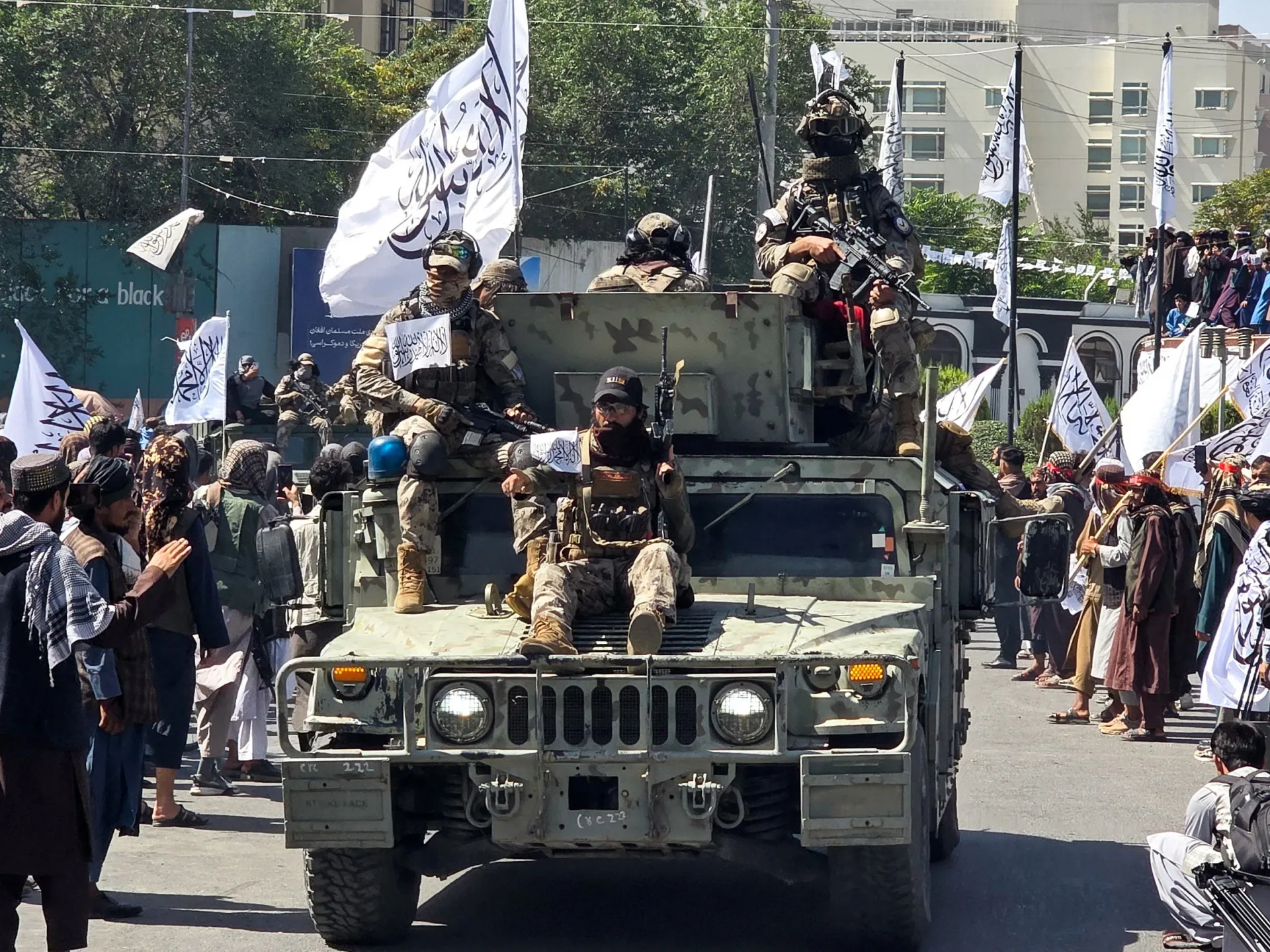
Two United Nations staff members have been released by Afghanistan’s de facto Taliban authorities after being detained in the western city of Herat since 9 August. The UN Assistance Mission in Afghanistan (UNAMA) stated that the men were freed on Thursday morning and appeared to be in good health.
While the specific reasons for the detention remain unclear, UNAMA said it understood that charges against the two men had been dropped. The mission noted that it had not been formally notified of the grounds for the arrest and continues to follow up with Afghan officials.
UNAMA emphasised the need to ensure respect for the privileges and immunities of the United Nations, as well as the safety, security and freedom of movement of its personnel throughout the country. The mission’s mandate, granted by the UN Security Council, includes promoting humanitarian assistance, human rights, equality for women and girls, inclusive governance and economic stability.
UN spokesperson Stephane Dujarric expressed delight at the release, telling reporters at the organisation’s headquarters in New York that the men faced apparently no more judicial legal issues. Afghan authorities did not immediately comment on the release or the status of the dropped charges.
This incident is the latest in a series of detentions by the Taliban authorities. Last week, Human Rights Watch reported that six staff members of a local organisation working on women’s and children’s rights had been “forcibly disappeared” for more than a month.
The release occurs against a backdrop of significant challenges in Afghanistan, where multiple UN agencies operate in areas including health and humanitarian response. The country has faced international aid cuts and the return of millions of citizens from Iran and Pakistan in recent years.
Since seizing power on 15 August 2021, the Taliban have barred girls from education beyond primary school and banned women from nearly all employment, effectively excluding them from public life. They have also removed minimum-age protections for girls’ marriage and restricted the punishment of domestic violence to cases involving visible injuries or broken bones.