Panama Canal Authority imposes transit caps as El Niño threatens water supply
Daily vessel limits will be enforced from September to manage declining water levels, reversing earlier assurances that no restrictions were required this year.
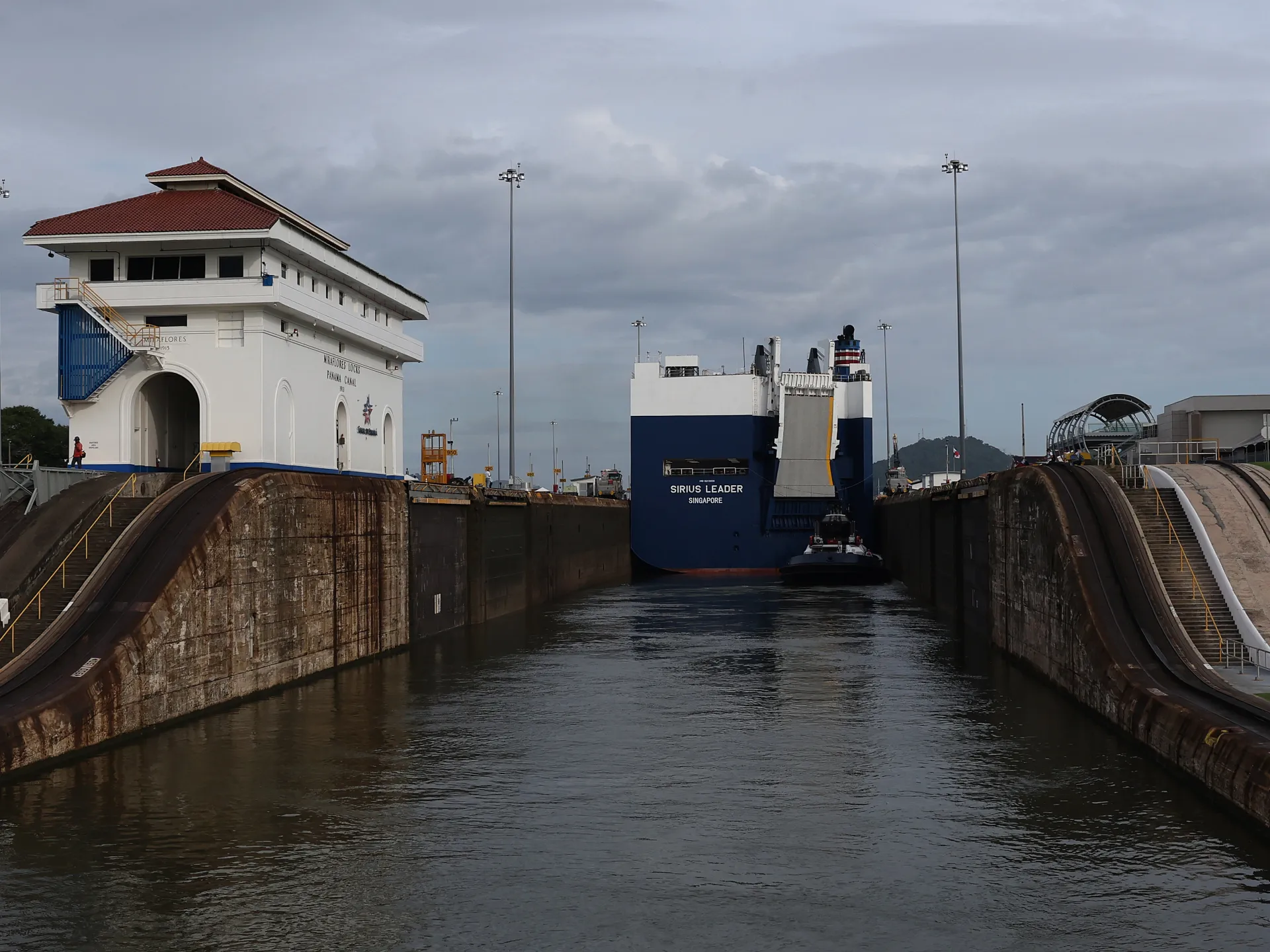
The Panama Canal Authority has announced the introduction of daily transit caps to address falling water levels driven by the El Niño weather phenomenon. The decision marks a significant policy shift, as officials previously indicated in May that no limits on crossings were planned for the current year.
Under the new regulatory framework, the canal will permit 34 vessels to transit daily starting from 4 September. This cap is scheduled to tighten further, reducing to 32 ships per day from 15 September. These figures represent a notable decrease from the waterway’s typical capacity of around 40 vessels daily, although the daily average has already dropped to 35 transits since June.
The restrictions are expected to impact global supply chains, as the canal handles approximately 5 per cent of global maritime trade. Industry observers anticipate that the reduced throughput will slow international shipping and potentially increase costs for operators. The scenario mirrors the severe drought of 2023, which cut traffic through the canal by roughly 36 per cent and disrupted global logistics.
The underlying cause is the El Niño weather pattern, a naturally occurring phenomenon that occurs every two to seven years. It is characterised by warmer-than-usual temperatures in the eastern tropical Pacific Ocean, which can trigger extreme weather events such as drought and excessive heat across the region. Scientists currently expect a particularly strong El Niño in the coming months, potentially among the strongest on record.
The canal’s operational vulnerability stems from its reliance on a lock system fed by freshwater from nearby lakes and reservoirs. Gatun Lake is a critical source for this water, but it also supplies drinking water to Panama City and other nearby cities. This dual dependency places additional strain on the waterway during periods of drought, necessitating conservation measures to maintain both commercial transit and domestic water security.