NASA Chandra Study Reveals Young Sun-Like Stars Emit Far Less X-Ray Radiation Than Predicted
Research led by Penn State University indicates young stars are significantly quieter in high-energy output, challenging existing models of stellar evolution.
A recent analysis conducted by researchers at Penn State University, utilising data from NASA's Chandra X-ray Observatory, has challenged long-held assumptions regarding the activity of young Sun-like stars. The study examined eight open star clusters ranging in age from 45 million to 750 million years, finding that these stars emit only between 25 and 33 per cent of the X-ray radiation previously anticipated by scientific models.
This discovery is particularly significant for the potential habitability of planets orbiting these stars. High levels of X-ray radiation are typically associated with intense stellar flares that can strip away the atmospheres of nearby worlds. The finding that young stars are emitting substantially less of this high-energy radiation than expected is viewed as a distinct benefit for the prospects of life developing on orbiting planets, rather than a threat to their survival.
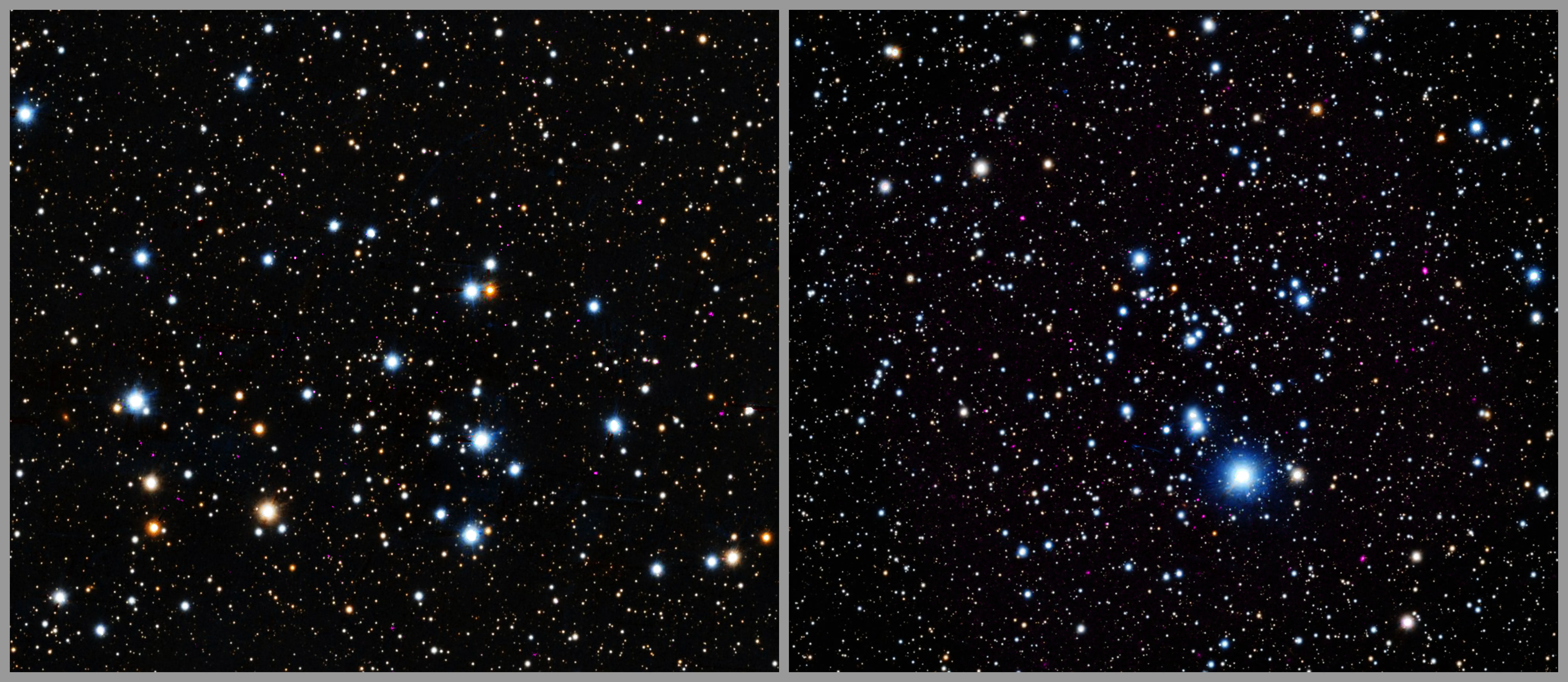
The research team focused their observations on specific clusters to illustrate the transition period where stars move from their active youth towards stability. New imagery released alongside the findings highlights two of these clusters, Trumpler 3 and NGC 2353, providing a visual context for the data. These images, captured in X-ray, optical, and infrared wavelengths, demonstrate the physical reality behind the statistical reduction in emissions.
It is important to note that while the conditions appear more favourable, the study does not confirm the actual presence of life on any of these planets. The reduced X-ray output simply creates an environment where life could potentially thrive, removing a major barrier that previous models suggested would be insurmountable for young systems. The findings remain specific to Sun-like stars and do not necessarily apply to other stellar classifications.
The implications of this quieting effect extend to our understanding of stellar evolution. Previous models predicted that young stars would remain highly active in X-ray emissions for longer periods, posing a significant hurdle for the development of complex life. The Chandra data suggests that stars stabilise and dim in their high-energy output much sooner than previously thought, potentially opening a wider window for biological evolution in the early stages of a solar system's life.
While the sample size of eight clusters limits the ability to generalise these findings to every young star in the galaxy, the results offer a crucial correction to theoretical frameworks. As astronomers continue to analyse exoplanet systems, this revised understanding of stellar behaviour may reshape how we assess the potential for life across the universe.