Hubble releases intricate visible-light image of Trifid Nebula on mission anniversary
The release coincides with the 36th anniversary of the telescope's launch, revealing details shaped by stellar winds over hundreds of thousands of years
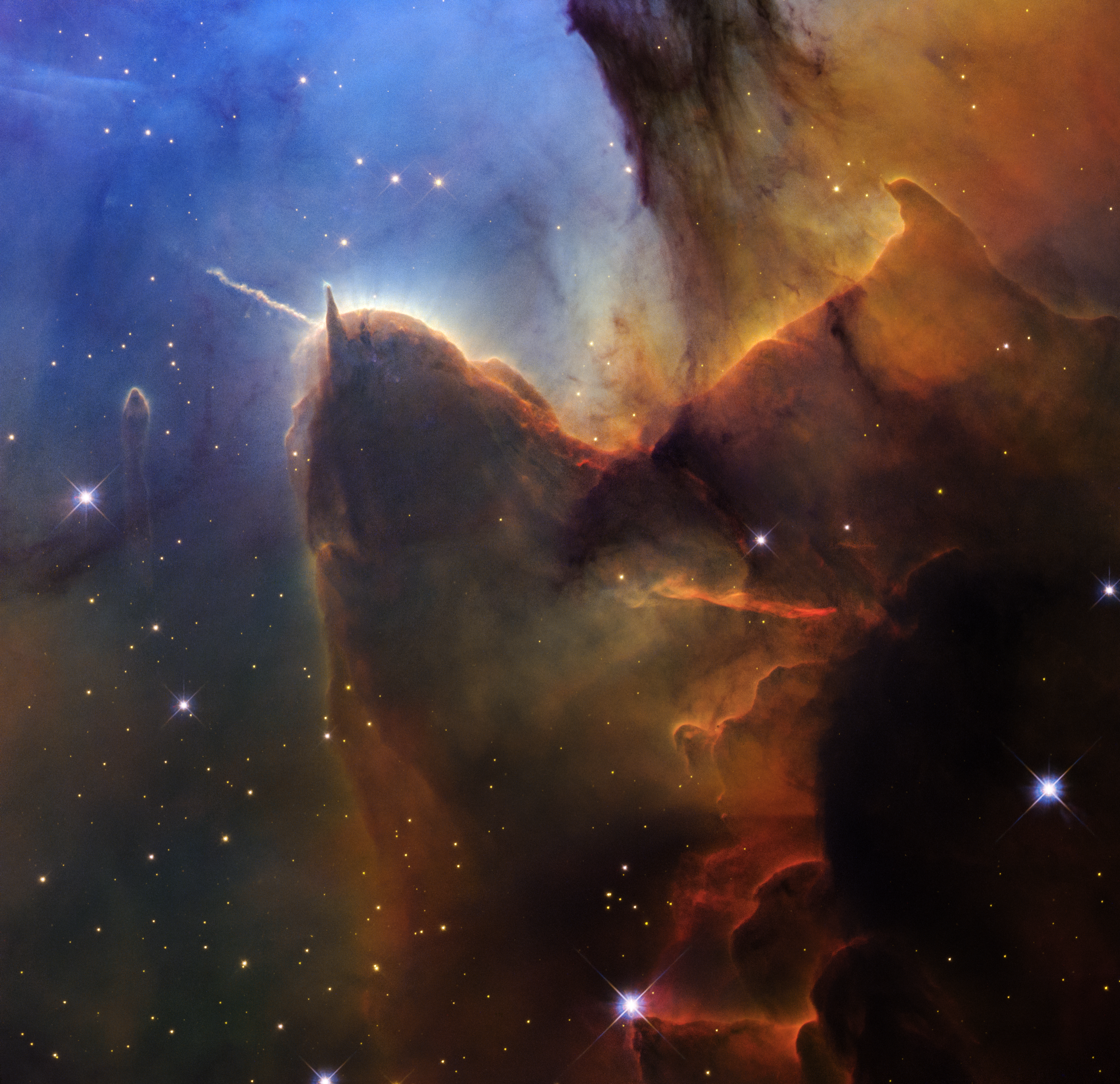
NASA has released a new, intricate visible-light image of the Trifid Nebula, a vibrant region of star formation located approximately 5,000 light-years from Earth. The image, which was made available on April 20, 2026, serves as a visual tribute marking the 36th anniversary of the Hubble Space Telescope mission, which launched into orbit on April 24, 1990.
Processed by Joseph DePasquale of the Space Telescope Science Institute (STScI), the photograph offers a close-up view of a bubble of compressed gas and dust. The visual aesthetic of the data is described as resembling an underwater scene filled with fine-grained sediments fluttering through the depths, though this interpretation is an artistic rendering of the visible light captured by the instrument.
The distinctive structure of the nebula is the result of powerful winds generated by massive stars situated outside the immediate field of view. These stellar winds have blown continuously for at least 300,000 years, pushing against the surrounding cloud and compressing the gas and dust within. This compression creates the conditions necessary to trigger new waves of star formation within the region.
The release of this imagery highlights the enduring capability of the Hubble Space Telescope to provide detailed insights into cosmic processes. By capturing the fine-grained details of the nebula, the mission continues to illuminate the dynamic environment where new stars are born, offering a glimpse into the complex interplay of forces that shape our galaxy.
The original data was captured by NASA's Hubble Space Telescope and is credited to the agency, the European Space Agency, and STScI. The processing of the image by DePasquale allows for a clearer appreciation of the nebula's structure, transforming raw astronomical data into a viewable representation of the cosmos.