Journalist Amal Khalil killed in southern Lebanon strike during ceasefire
Amal Khalil was fatally injured while reporting on an Israeli air strike in southern Lebanon during a 10-day ceasefire period.
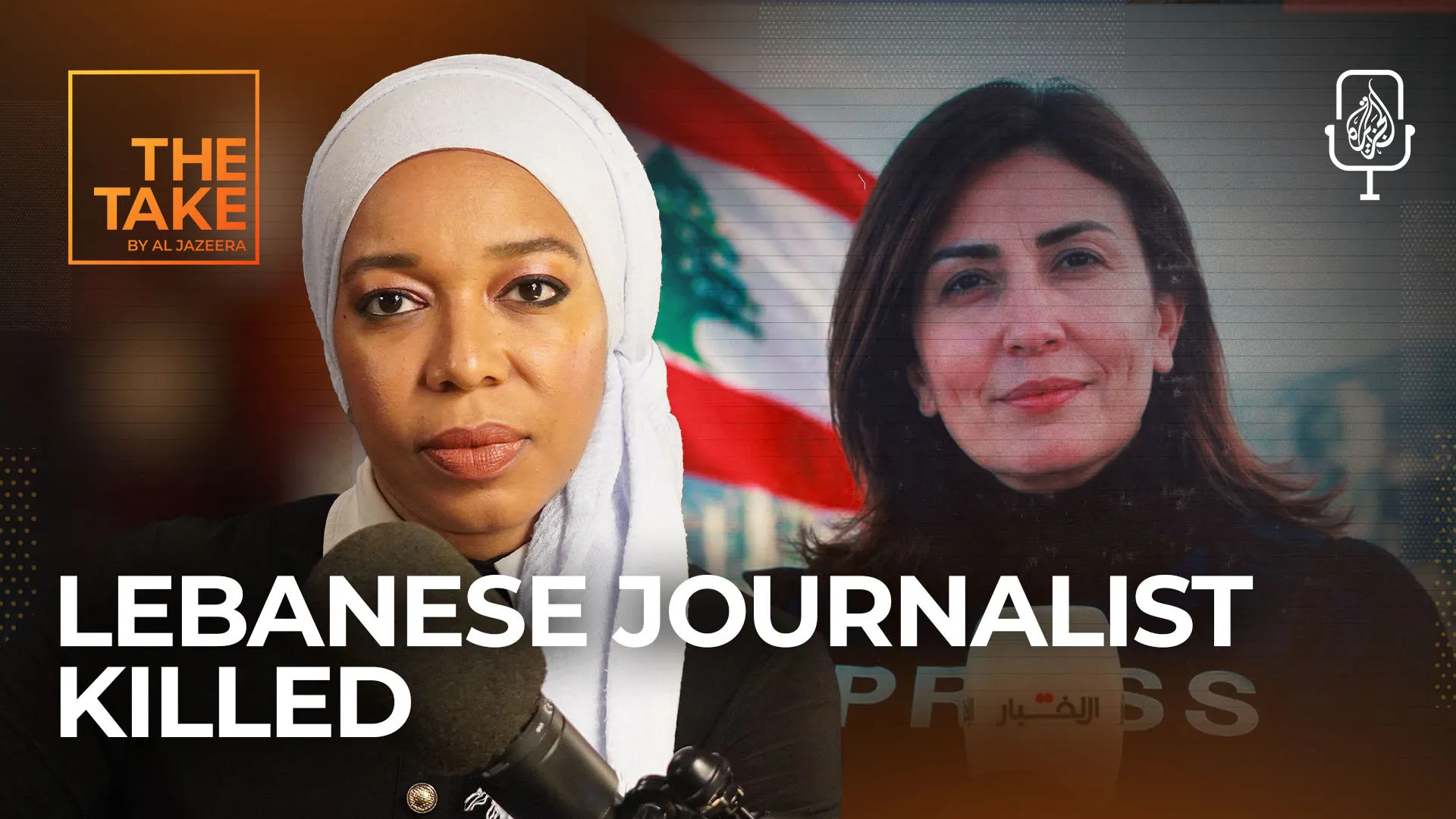
Amal Khalil, a Lebanese journalist, has died following an Israeli air strike in southern Lebanon. The incident occurred while she was actively reporting on the strike, a period that coincided with a 10-day ceasefire agreement. This event marks the killing of the ninth journalist in Lebanon within the current year, according to reports from Al Jazeera Global News.
The timing of the strike during a declared ceasefire has drawn immediate attention to the fragility of the current truce. While the specific date of the air strike is not explicitly detailed in the available reporting, the context suggests the incident took place in April 2026. The death of Khalil while performing her duty underscores the ongoing risks faced by media personnel operating in conflict zones, even when hostilities are ostensibly paused.
Questions regarding accountability for the killing are currently being raised by observers and stakeholders. The incident serves as a focal point for wider discussions concerning the enforcement of ceasefires and the safety of civilians and press in the region. As Lebanon prepares to bury Khalil, diplomatic channels remain engaged in talks regarding the potential extension of the current 10-day ceasefire.
The reporting highlights the tension between the official status of a ceasefire and the reality of active military engagements. Without an official investigation or admission from Israeli authorities, the specific intent behind the strike remains a matter of assertion rather than established fact. Nevertheless, the loss of life during a designated period of non-hostility challenges the operational definitions of the current peace framework.
This tragedy reinforces the critical need for robust mechanisms to protect journalists in active conflict environments. The cumulative toll of nine journalist deaths this year indicates a persistent failure to secure media operations despite diplomatic efforts to halt fighting. The international community and regional actors are now under increased scrutiny to ensure that such incidents do not erode the prospects for a sustainable resolution.