Chornobyl Exclusion Zone marks 40th anniversary amid militarisation and drone threats
Russian strikes have damaged the New Safe Confinement, yet small communities of scientists, elderly returnees, and soldiers persist within the restricted boundaries
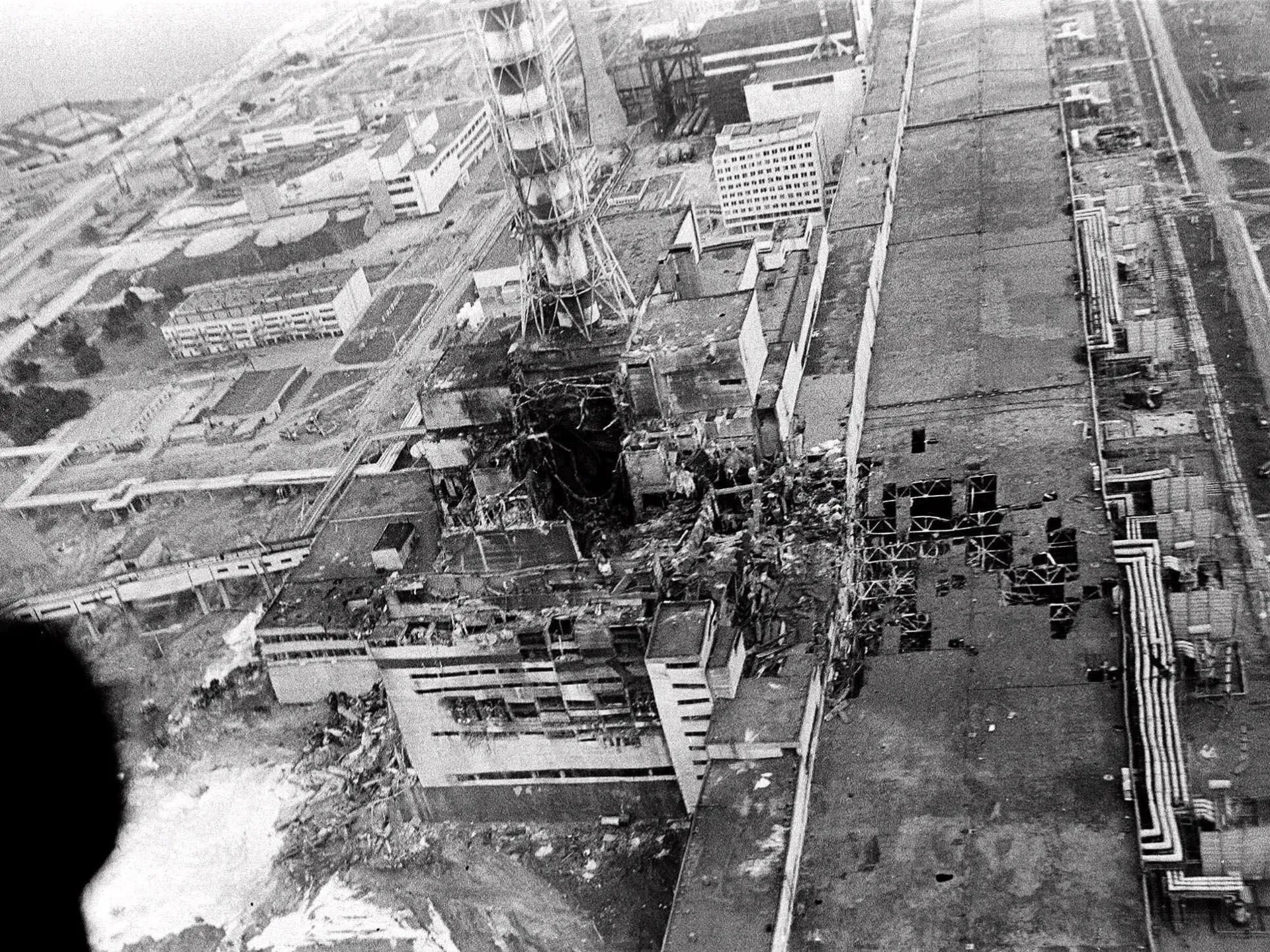
The Chornobyl Exclusion Zone (CEZ) marks its 40th anniversary on April 24, 2026, a milestone that underscores the enduring complexity of the site as both a historic nuclear disaster location and an active war zone. Since Russia launched its full-scale invasion of Ukraine in February 2022, the area has been militarised, with Russian drones and missiles posing a direct threat to infrastructure within the restricted boundaries.
Specific reports indicate that on February 14, 2025, a Russian drone strike hit the New Safe Confinement (NSC) casing surrounding Reactor Unit 4. An investigation by the International Atomic Energy Agency (IAEA) confirmed that the strike caused the loss of primary safety functions, though it noted no permanent damage to the load-bearing structures or monitoring systems.
Despite these escalating security risks and the lingering danger of radioactive contamination, small communities continue to reside within the zone. Approximately 100 elderly "self-settlers" remain in the area, a figure that represents a significant decline from the estimated 1,000 returnees who lived there in the years immediately following the 1986 disaster.
In addition to the civilian population, hundreds of soldiers are now housed in abandoned residential blocks and makeshift camps throughout the CEZ. These military personnel operate under radiation monitoring protocols, with some stationed in areas where Russian forces had previously established trenches in contaminated soil during their brief occupation in early 2022.
The landscape has largely been reclaimed by nature in the absence of human activity, creating an unusual ecological refuge. Wildlife populations have thrived, with Przewalski's horse numbers growing from 30 individuals in 1998 to approximately 140. Researchers have even reported unusual defensive behaviour among these horses against apex predators such as wolves.
While the zone remains hazardous, scientific monitoring continues at the Chornobyl Centre for Nuclear Safety, Radioactive Waste and Radioecology. Scientists there meticulously map radiation levels to ensure high-contamination patches are contained, balancing the need for safety with the reality that the site will never be fully forgotten.