Maritime standoff escalates as US and Iran seize commercial vessels in Gulf strait
Shipping body warns of severe disruption to global oil supplies and rising fuel prices following the closure of the Strait of Hormuz
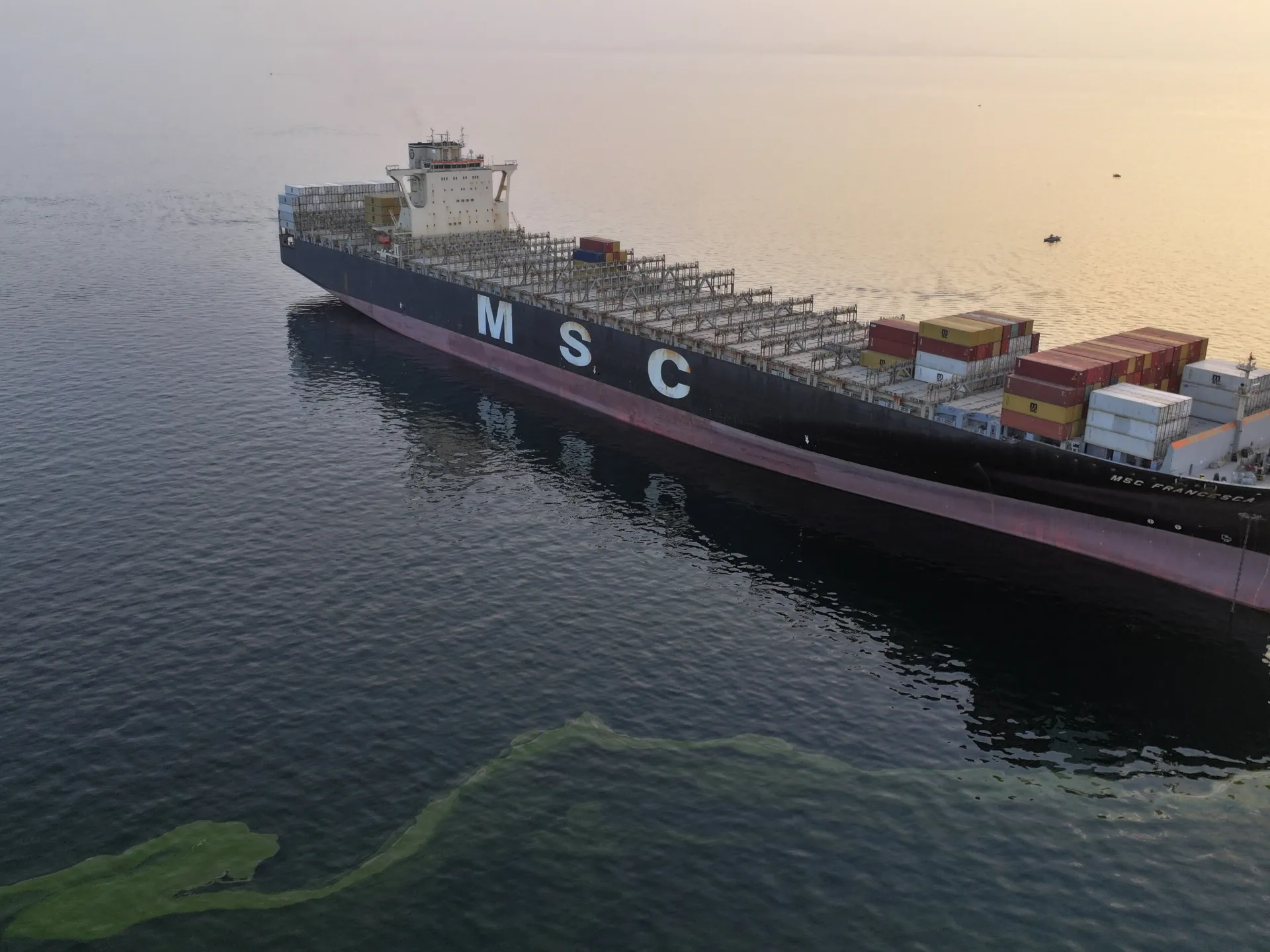
The United States and Iran have each seized two commercial vessels in the Gulf region, an action condemned by the International Chamber of Shipping as a violation of international law and freedom of navigation. US forces intercepted the oil tanker Majestic X and the vessel Tifani, while Iran's Islamic Revolutionary Guard Corps seized the MSC Francesca and Epaminondas. These simultaneous captures highlight the intensifying maritime tensions in the region and the growing instability affecting critical trade routes.
Iranian authorities confirmed that 15 Filipino seafarers are safe and unharmed following the seizure of their vessels, though no official updates exist regarding the crews detained by US forces. The disparity in information regarding the welfare of the detained personnel has raised concerns among maritime operators and international observers. John Stawpert, director of the International Chamber of Shipping, urged the immediate release of all crews, stating that seafarers must be allowed to work freely and without persecution.
The seizures have contributed to a severe reduction in traffic through the Strait of Hormuz, with only five ships transiting in the last 24 hours compared to a daily average of 129 before the conflict began. This drastic drop in throughput has driven up global fuel prices and forced governments to implement emergency energy-saving measures. The blockage of the strait, which usually carries about one-fifth of global oil and natural gas supplies, has created significant economic uncertainty.
Stawpert highlighted the severe disruption to global oil supplies and rising fuel prices caused by the strait's closure, noting that the situation represents a dangerous precedent for international trade. He questioned the legality of charging tolls in the Strait of Hormuz, arguing that such actions could be replicated in other major chokepoints like the Strait of Gibraltar or the Straits of Malacca. The director emphasised that the US naval blockade of Iranian ports has heaped further uncertainty on shipping companies already reeling from the effective closure of the strait.
An estimated 20,000 seafarers remain stranded in the Gulf, facing what the ICS describes as house arrest for seven weeks, raising concerns about their psychological well-being. Stawpert expressed concern for the welfare of these workers, noting that the psychological burden will begin to tell on them after weeks of confinement. He called on both nations to respect freedom of navigation and resume the right to innocent passage as soon as possible.
The US defence department stated it captured the Majestic X as it was transporting sanctioned oil in the Indian Ocean, days after announcing the interception of the Tifani. Meanwhile, Iran's IRGC claimed the MSC Francesca and Epaminondas were seized for operating without necessary permits and tampering with navigation systems. These developments underscore the ongoing friction between Washington and Tehran as they face off in the strait and in waters beyond the Gulf.