Geological analysis confirms slow slip activity persists off Sanriku coast following April earthquake
NHK reports that the gradual movement along the fault line continues to evolve in the region known for significant tectonic history
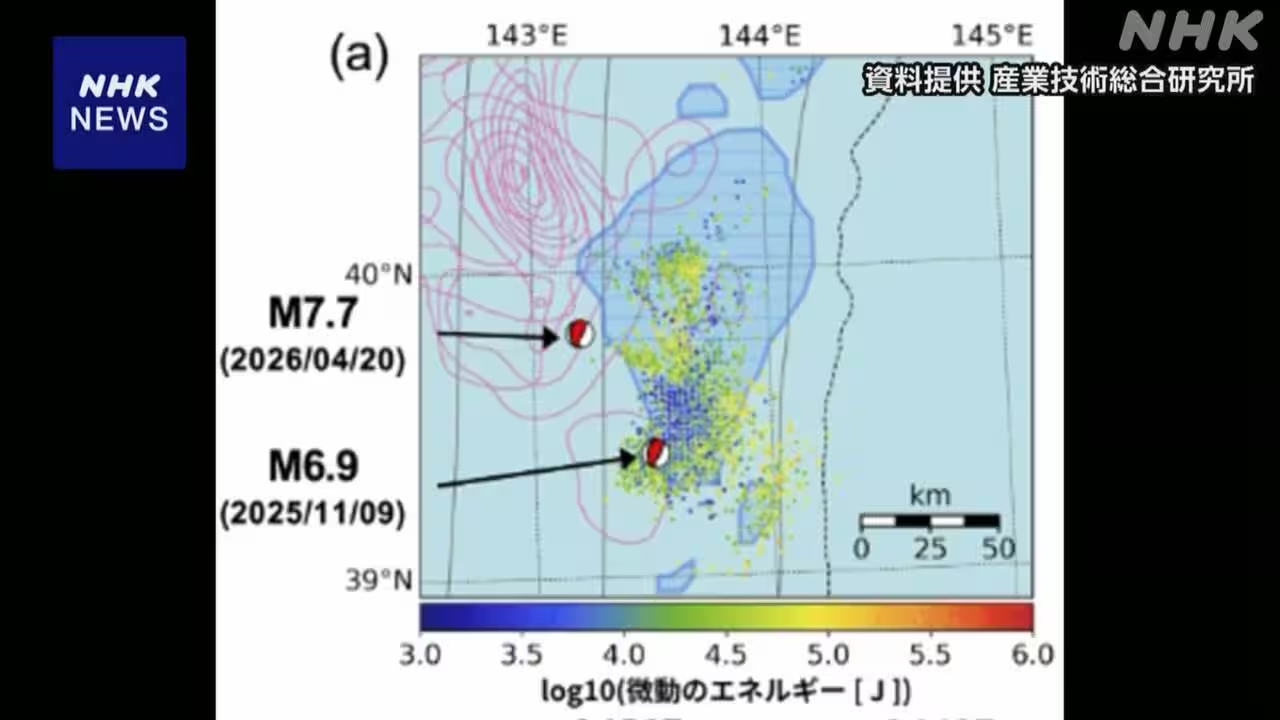
Geological experts have determined that slow slip activity continues off the Sanriku coast in the wake of the major earthquake that struck on 20 April 2026. This phenomenon is characterised by frequent minor tremors, referred to as micro-tremors, which occur along the plate boundary without generating significant shaking. The ongoing nature of this movement suggests a complex interaction within the region's recognised seismic zone.
Analysis conducted by specialists indicates that the location of these micro-tremors has undergone a gradual shift since November 2025. This trend has persisted through to the period following the April event, marking a continuous evolution in the geological behaviour of the area. The Sanriku coast, which spans Miyagi, Iwate, and Aomori prefectures, remains a focal point for monitoring these subtle but persistent tectonic movements.
The term slow slip describes the gradual movement along a fault line that does not produce the violent ground motion associated with major quakes. However, the shifting nature of the micro-tremors provides critical data regarding the mechanics of the plate boundary. NHK News Japan reports that this gradual relocation of tremor activity has been observed consistently since late last year, continuing into the current post-earthquake phase.
While the persistence of slow slip is now confirmed, the full extent and duration of this post-earthquake phenomenon remain under active analysis. Experts are currently working to determine the precise relationship between the shifting micro-tremor locations and the broader mechanics of the plate boundary following the April 20 event. The data indicates that the activity is not static but is evolving in a manner that requires ongoing scrutiny.
Caution is advised regarding any definitive long-term predictions concerning the behaviour of this slip. Although the trend of shifting micro-tremors is clearly established, the specific impact these movements may have on future major seismic events cannot yet be fully articulated. Further geological data will be required to establish a comprehensive understanding of the risks and dynamics involved in this region.