West Bank local elections face scepticism as voter apathy deepens
With 5,131 candidates contesting smaller councils but major cities resorting to acclamation, frustration with the Palestinian Authority and Israeli restrictions undermines faith in the democratic process.
Local elections scheduled for Saturday, 25 April, across the occupied West Bank are being met with significant scepticism by residents who doubt the vote will alter the status quo. While 5,131 candidates are competing in smaller councils, the process lacks credibility in major urban centres where competitive voting is effectively absent. In Ramallah, the headquarters of the Palestinian Authority, and Nablus, candidates will be elected via acclamation, a method where a single list is chosen without a formal ballot. This approach, historically reserved for small villages, is now being applied to major cities, raising questions about the integrity of the electoral architecture.
The lack of competitive campaigning is evident in the absence of campaign posters in Ramallah, attributed to Fatah mobilisation discouraging challengers in PA strongholds. Consequently, approximately 42 municipal councils and 155 village councils across the West Bank will be filled through this non-competitive process. The Palestine Elections Commission reports that 88 per cent of the candidates are running as independents, yet a new law amendment requiring all candidates to affirm commitment to PLO agreements has drawn criticism from observers who argue it undermines the local nature of the vote.
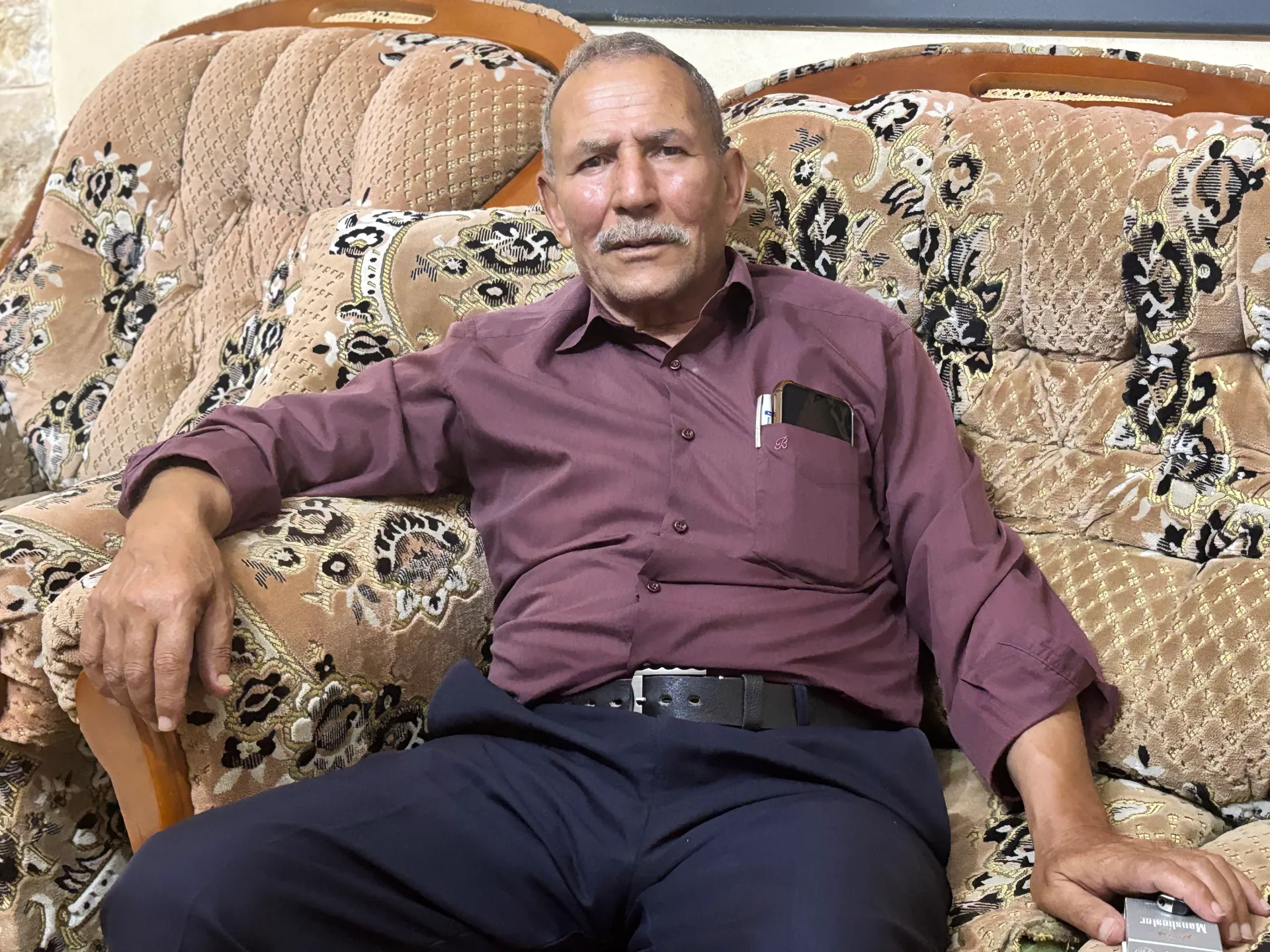
Resource constraints within the Palestinian Authority further erode confidence in the administration's ability to govern. In Qusra, Mayor Hani Odeh, who has served for four and a half years, will not be on the ballot as he steps down due to exhaustion. He cites the inability to address critical issues such as settler attacks and water pipe damage, noting that PA civil servants receive salaries of just 2,000 shekels, a fraction of what they are owed because Israel continues to withhold tax revenues.
This sense of helplessness is reflected in the voting intentions of many residents. Fatima, a businesswoman in el-Bireh, has not voted in nearly two decades and does not intend to participate again, believing that new decision-makers will simply replicate old decisions. Similarly, Sara Nasser, a pharmacist, states she has grown accustomed to elections not happening and will not vote, remarking that she has lived under these conditions since before she was aware of significant elections.
Despite the prevailing pessimism, a segment of the electorate remains optimistic. Young voters like Iyad Hani, 20, and Muhammad Bassem, a restaurant manager in Ramallah, express hope for improvements in infrastructure, employment, and cleanliness. However, pollster Obada Shtaya notes that while Palestinians are thirsty for democracy, the lack of a credible setup—including a functioning legislature and accountability—renders the elections superficial.
Critics argue that the elections lack the proper architecture to demonstrate that a vote makes a difference. Obada Shtaya suggests that without a functioning legislature and accountability extending beyond voting day, sporadic elections occur at a surface level where little changes underneath. The broader disillusionment with the PA, combined with the ongoing Israeli occupation and settlement expansion, leaves many feeling that the vote is a mechanism for political participation that exists without true sovereignty.