US Treasury expands sanctions on China's Hengli refinery and Iran shadow fleet
The US Treasury Department has sanctioned Hengli Petrochemical (Dalian) Refinery, identified as one of Tehran's most valued customers, alongside approximately 40 shipping firms and vessels operating within Iran's shadow fleet.
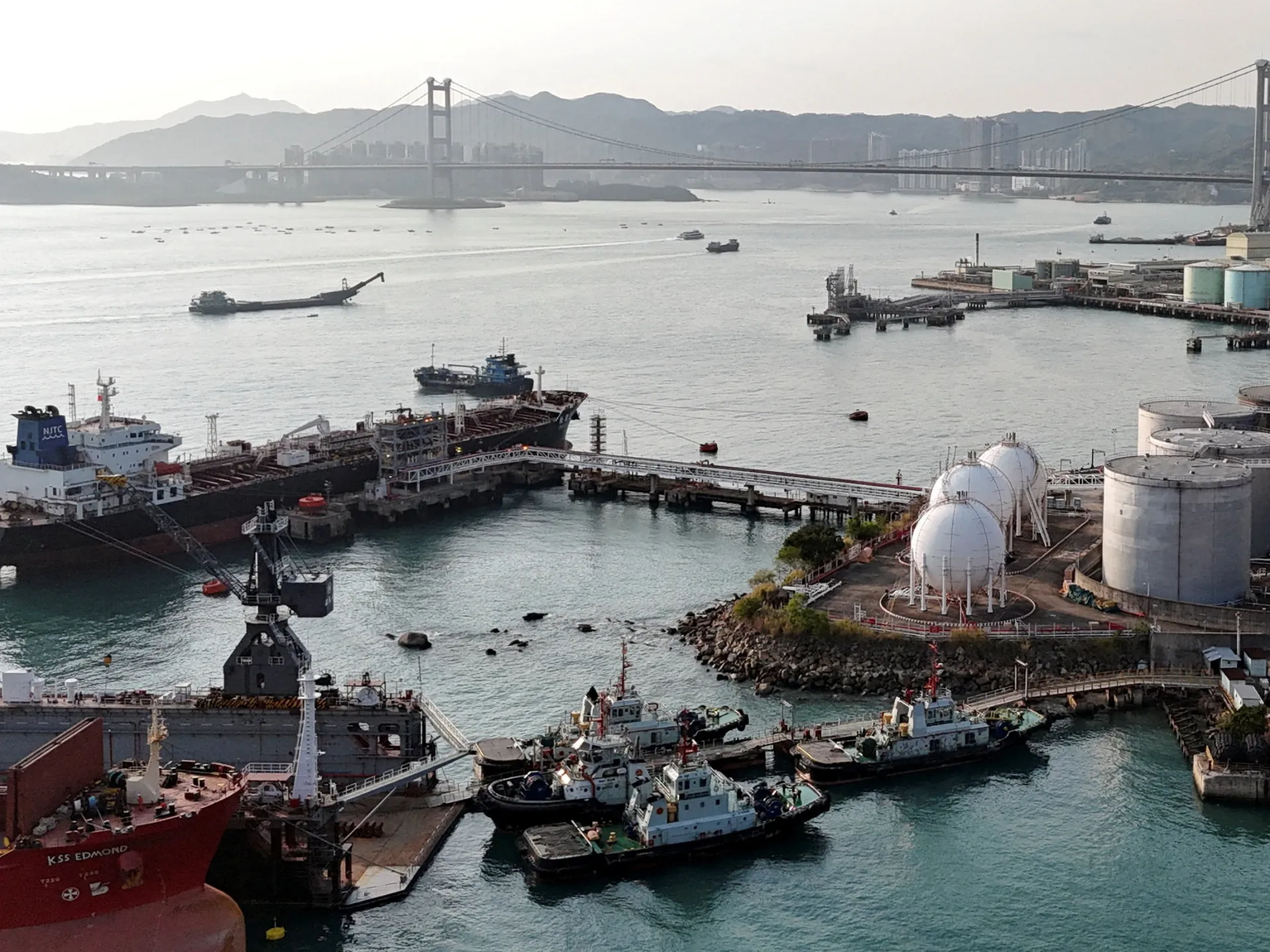
The US Treasury Department has announced sanctions against Hengli Petrochemical (Dalian) Refinery, a facility recognised as China's second-largest independent or "teapot" refinery. The action follows allegations that the refinery has facilitated the purchase of hundreds of millions of dollars worth of Iranian oil, generating significant revenue for the Iranian military.
According to the US Treasury, Hengli is one of Tehran's most valued customers, with crude oil purchases directly contributing to military funding. Concurrently, the administration has imposed new sanctions on approximately 40 shipping firms and vessels alleged to operate as part of Iran's shadow fleet. These measures aim to disrupt the network of intermediaries and buyers Iran relies upon to move its oil to global markets.
The Chinese embassy in Washington has strongly condemned the move, describing it as an attempt to politicise trade and science technology issues. A spokesperson urged the US to stop using sanctions as a weapon against Chinese companies, arguing that such actions abuse various sanction mechanisms to target specific entities rather than addressing broader security concerns.
This escalation occurs against the backdrop of a US Navy blockade of Iranian ports maintained since 13 April. President Donald Trump has stated that the blockade is intended to further choke Iran's proceeds from oil and gas exports. The timing of these sanctions comes ahead of potential new talks regarding the end of the US-Israeli war on Iran, suggesting a strategic shift in how Washington approaches the conflict.
China's "teapot" refineries are small, privately owned facilities, mostly based in Shandong province, nicknamed for their distinctive shape. They play a key role in bolstering China's oil supplies by importing and stockpiling discounted Iranian and Russian oil, while allowing state-owned enterprises to remain more insulated from politically risky oil trading. Analytics firm Kpler reports that China purchased more than 80 per cent of Iran's shipped oil last year.
US Treasury Secretary Scott Bessent pledged to continue targeting the complex network of vessels and buyers involved in Iran's oil trade. He warned that any person or vessel facilitating these flows through covert trade and finance risks exposure to US sanctions. This follows previous Treasury actions last year targeting other independent refineries, including Hebei Xinhai Chemical Group and Shandong Shouguang Luqing Petrochemical.