MagSafe’s convenience comes with speed and cable trade-offs
Engadget’s assessment finds Apple’s magnetic charging system useful for MacBooks, iPhones and some AirPods, but limited by proprietary hardware, slower charging and extra cost.
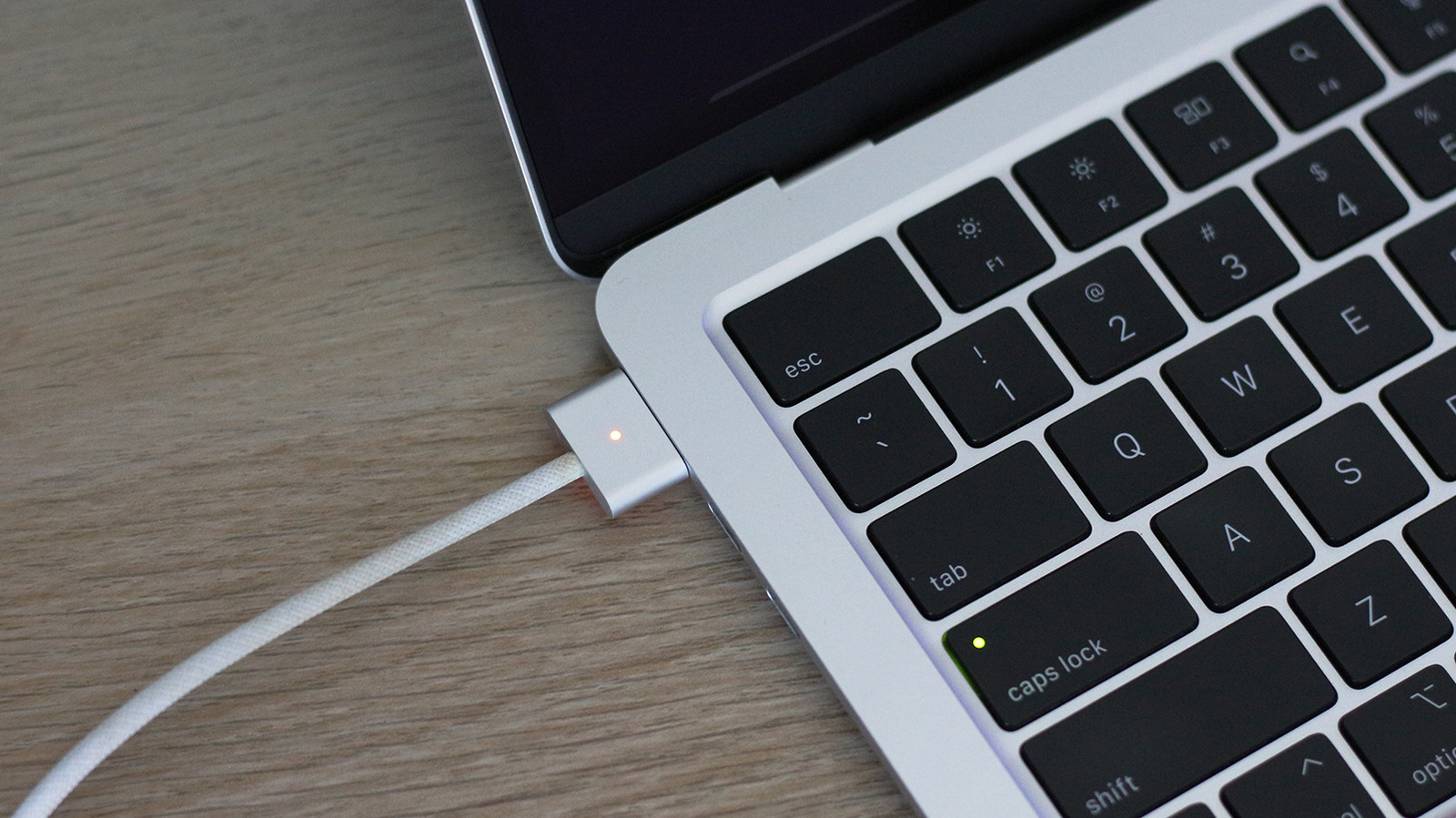
Apple’s MagSafe system offers a convenient magnetic connection across parts of its device range, but Engadget’s assessment highlights trade-offs involving charging speed, compatibility and the need for dedicated hardware.
MacBook MagSafe allows the charging cable to snap into place and disconnect more easily if pulled, reducing the risk of dragging a laptop from a desk. Apple restored the connector after dropping it in favour of USB-C in 2015.
The proprietary MacBook cable is limited to charging the laptop, while USB-C cables can also connect devices such as displays, hard drives and other peripherals. Engadget says MacBooks can charge through USB-C at the same speeds as MagSafe, although results may vary by model, charger and cable.
iPhone MagSafe uses a different implementation and charges wirelessly. Engadget says it is slower than wired charging, reaching up to 15W on the iPhone 17e, iPhone 15 and older models, while newer models can reach 25W. A compatible wired USB-C charger can charge an iPhone 18 Pro at up to 60W, according to the publication.
Unlike with MacBooks, Apple does not include a MagSafe charger with iPhones, making the feature an additional purchase. Its appeal extends beyond charging, however, with magnetic wallets, stands and car mounts available for compatible iPhones.
Certain AirPods cases with wireless charging are also compatible with iPhone MagSafe accessories, allowing the same magnetic charging hardware to serve more than one device.