Curved monitors boost immersion but can hinder precision work and mounting
Engadget says curved ultrawide screens may suit gaming and multitasking, but higher costs, desk space and edge distortion can limit their usefulness.
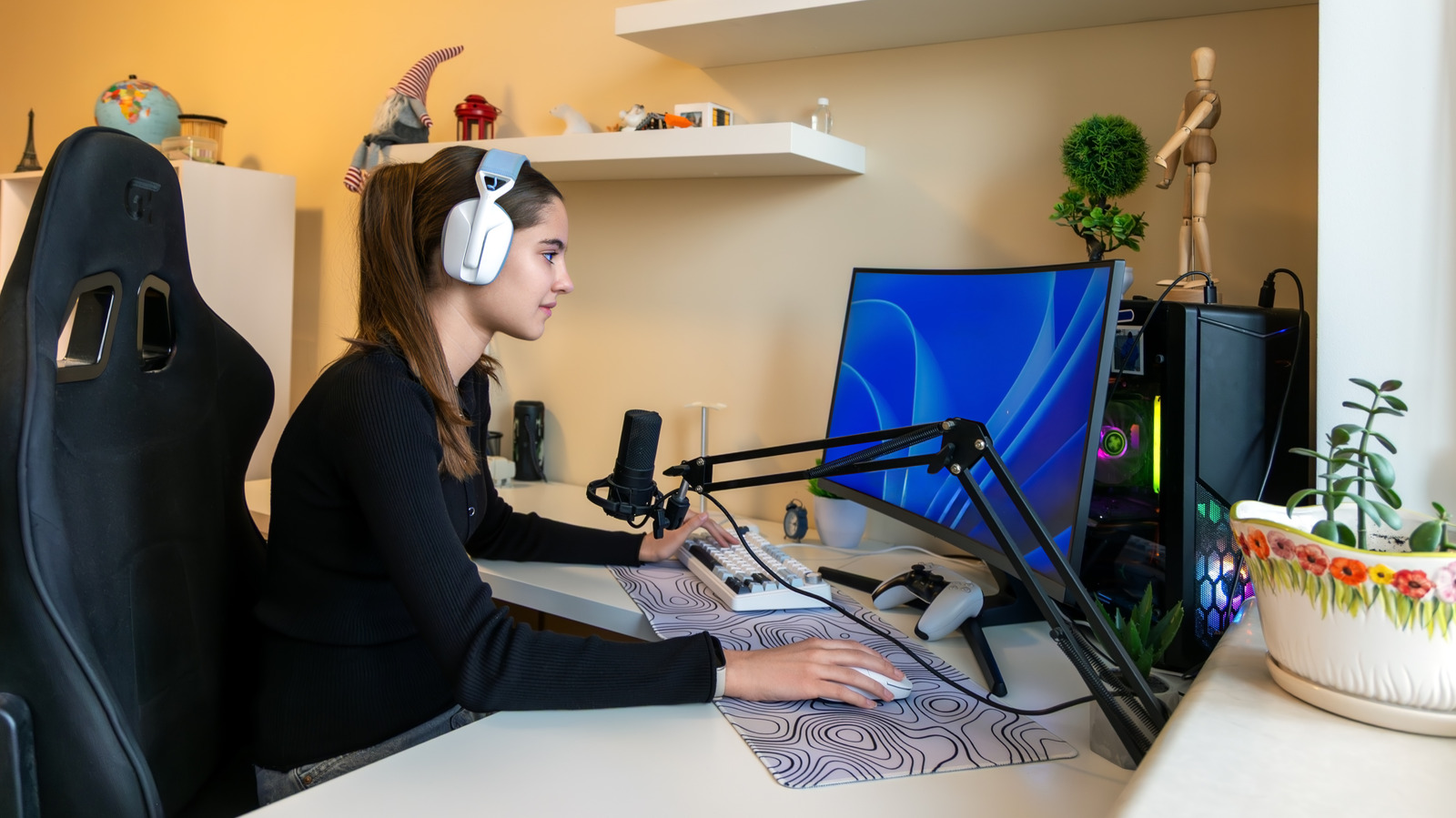
Curved monitors can offer a more immersive gaming experience, particularly in large ultrawide formats that support 21:9 or 32:9 aspect ratios, according to Engadget. The wider field of view may be especially useful in racing games and first-person shooters.
The benefits are not universal. Some modern story-driven games still use 16:9 cutscenes, leaving black bars on ultrawide displays. The effect of a curved screen also depends on factors including its size, curvature, viewing distance and the content being shown.
Large curved ultrawide monitors may also support multitasking by providing room for several windows. Engadget notes that the curvature can make the edges of a wide screen easier to view, potentially reducing the need for frequent head movement.
The trade-offs include higher prices and greater desk-space requirements. Curved displays also do not sit flush against a wall, making them less suitable for some mounting arrangements. Pairing one with a flat monitor can create an awkward, non-seamless setup.
Precision image editing is another potential weakness. Engadget cautions that curvature may create distortion around the edges of a display, making flat monitors a better choice for work involving straight lines or grids.
Curved monitors have been available for years, including Samsung’s SE790C, which launched in 2015. Their continued popularity in ultrawide gaming reflects both the appeal of immersive viewing and the practical challenge of covering a wide screen without requiring as much eye or head movement.