Lebanese officials condemn Israeli strikes as ceasefire violations following eleven deaths
Eleven civilians, including three children, were killed in southern Lebanon on Saturday, prompting high-level diplomatic condemnation and renewed tensions ahead of scheduled September negotiations.
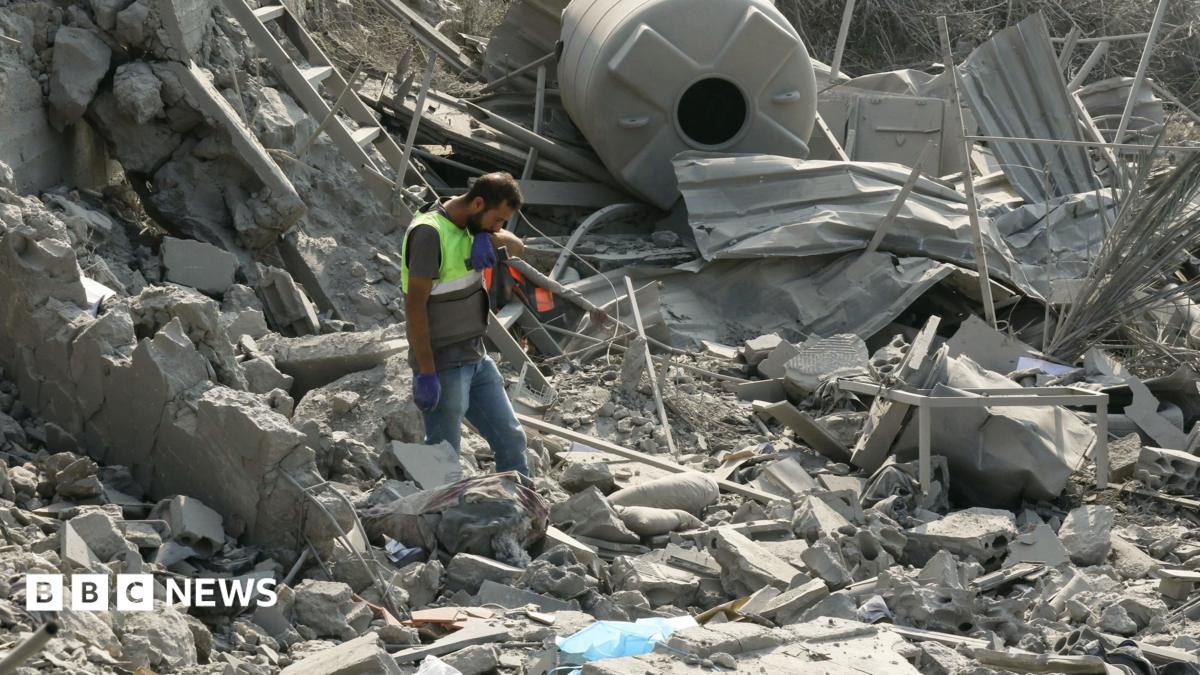
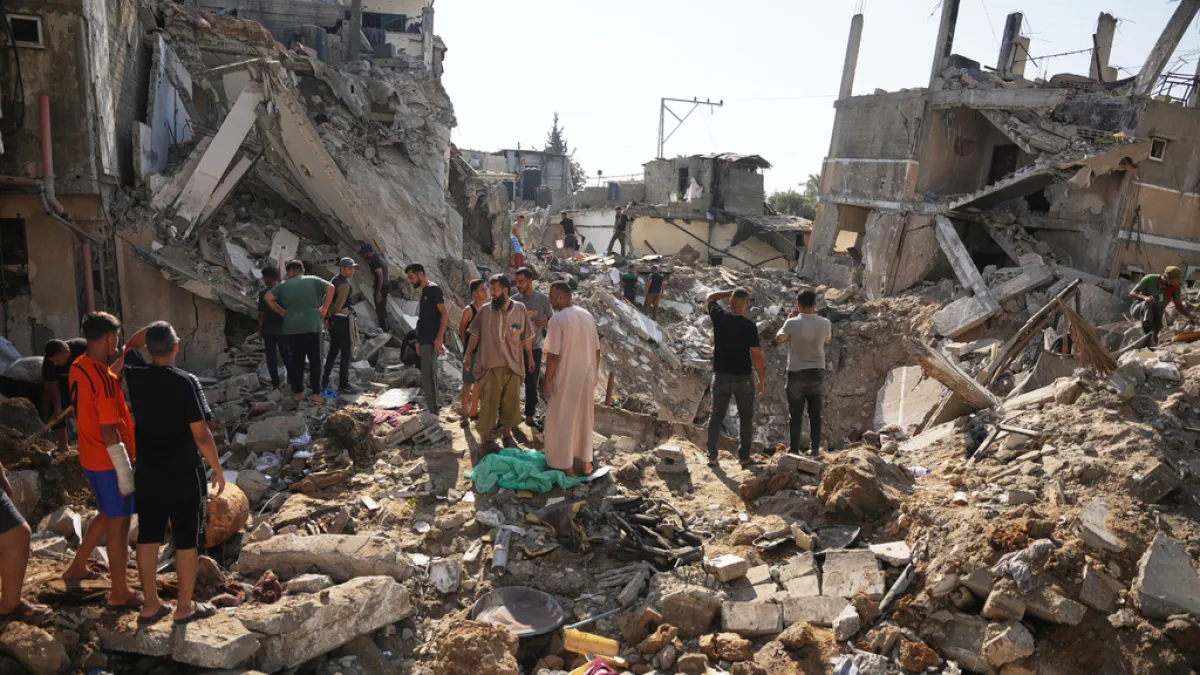
Eleven people have been killed in Israeli strikes on southern Lebanon, marking one of the deadliest days of violence since a ceasefire framework was announced in June. The attacks, which targeted the Nabatieh district town of Ansar and the nearby settlement of Deir al-Zahrani, have drawn sharp condemnation from Lebanese government officials who characterise the actions as direct violations of the existing truce arrangements.
Lebanese Prime Minister Nawaf Salam reported that seven people died in a strike on a house on the outskirts of Ansar at approximately 04:30 local time. State media confirmed that the victims included three children and two women, describing them as displaced families living in the area. Salam stated that the civilians killed were not military infrastructure and urged Israel to halt the escalation, asserting that the security and right to life of Lebanese citizens are not subject to negotiation.
Later on Saturday, further strikes hit Deir al-Zahrani, killing four people and wounding five others, according to the Lebanese Ministry of Health. Footage circulated on social media showed large plumes of smoke rising from Ansar as sirens sounded through the streets. In Bint Jbeil, near the border, several homes were reportedly destroyed and Israeli forces opened heavy machine gun fire towards residential areas, the Lebanese state-run National News Agency reported.
The Israel Defence Forces stated that the strikes were conducted against "Hezbollah terror infrastructure" in response to an earlier action against soldiers near the Ali al-Taher Ridge. The IDF described the ridge as a strategic high ground overlooking south-eastern Lebanon and a fiercely contested position. The military affirmed its intention to continue removing threats to Israeli citizens and soldiers operating within the 10km-deep security zone currently occupied by Israeli forces.
Lebanese President Joseph Aoun condemned the strikes that killed an entire family in Ansar, describing them as repeated violations of the ceasefire framework. He noted that the attacks sent a clear message to the United States-led negotiations currently underway. Meanwhile, Hezbollah, which was not a party to the June agreement and has rejected direct negotiations, warned that it would respond appropriately to the attacks in defence of Lebanon’s sovereignty and national dignity.
The conflict in Lebanon escalated on 2 March when Hezbollah launched rockets into Israel in retaliation for a strike that killed Iran’s supreme leader. Israel responded with a bombing campaign and invasion, currently occupying roughly 5% of Lebanese territory. The June ceasefire framework calls for Hezbollah to disarm, Israeli forces to withdraw gradually, and the Lebanese army to deploy across the area.
Despite a reduction in fighting following the June agreements, Israeli strikes and demolitions in southern Lebanon have continued. Lebanese and Israeli negotiators are scheduled to meet for an eighth round of talks in September, although a final date has not yet been confirmed.