Iran Reinstates Preferential Exchange Rate for Essential Imports Amidst War-Driven Inflation
Government partially reverses late December budget decision to reintroduce official currency rate for critical goods, while expanding border powers and centralising medical distribution.
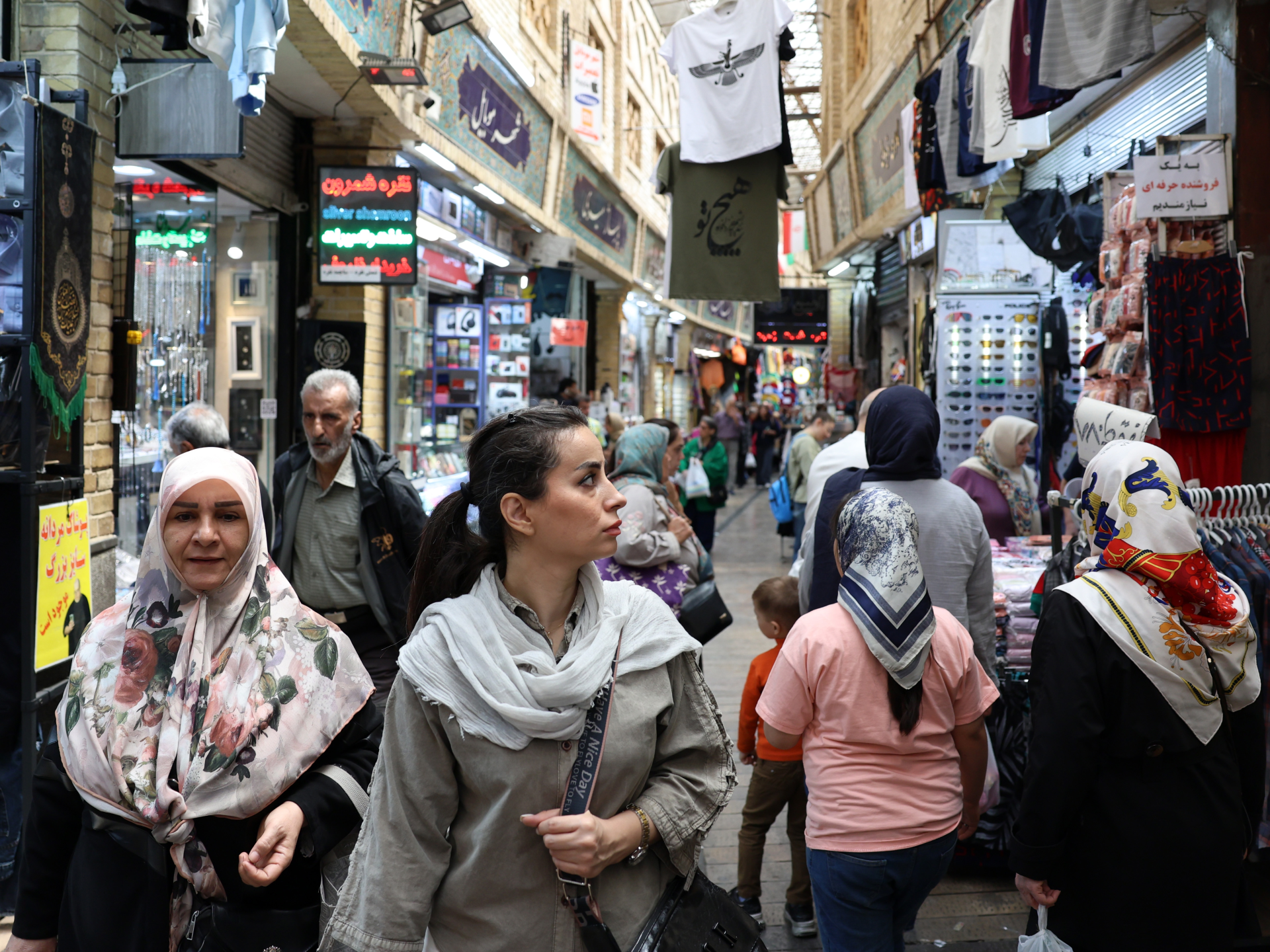
The Iranian cabinet has partially reversed a previous budget decision to reintroduce a preferential exchange rate for essential imports, including food, medicine, and baby formula. This policy shift aims to combat soaring prices and ensure food security in the wake of ongoing conflict and economic instability. By reinstating the subsidised rate, authorities hope to mitigate the impact of the late December budget changes that had eliminated the cheap currency mechanism, a move previously linked to widespread antigovernment protests.
To fund this initiative, the government has allocated up to $3.5bn from its share of oil and gas proceeds. These funds are directed toward a network of trustees tasked with importing essential goods at an official exchange rate of 285,000 rials per US dollar. This rate stands significantly lower than the open-market rate of 1.55 million rials and is also below the previous budget rate of 1.23 million rials. Concurrently, the cabinet plans to draw $1bn from the National Development Fund to procure strategic items such as sugar, rice, barley, corn, soya bean meal, and red meat.
In addition to the currency adjustment, the state is tapping into sovereign reserves to stockpile strategic goods like sugar and meat. Officials have also expanded the powers of border governors to facilitate imports with less red tape, aiming to streamline the flow of essential commodities into the country. Furthermore, the Food and Drug Administration of Iran announced it will begin a centralised distribution of strategic goods in the medical sector within two days to ensure fair and timely access to reserves for medical facilities.
Despite these institutional measures, citizens continue to face severe inflation and internet restrictions that have disrupted daily life. A deputy at the Ministry of Cooperatives, Labour and Social Welfare stated that the price of essential goods has been significantly affected by the elimination of the cheap currency rate in late December. The ministry has presented various scenarios to the government to guarantee food security across eleven categories of essential goods but has refused to provide exact figures for the recent price hikes.
Public sentiment remains cautious as purchasing habits shift toward necessity over convenience. Residents report resorting to buying only the basics, while fears of shortages have prompted widespread stockpiling of canned goods and water. To reduce expenses, many are cancelling trips and recreational activities, and stopping visits to restaurants. The Nursing Organization of Iran has also officially rebuffed the government's "internet pro" service, arguing that access to the global internet should be a basic right rather than a paid privilege during this crisis.
While authorities maintain that the country has sufficient currency and gold reserves, the practical challenges of the war and sanctions persist. The government has communicated expanded powers to border provinces to boost imports, yet the near-total state-imposed internet shutdown continues to hinder economic activity and communication. As the centralised distribution of medical supplies begins, the focus remains on stabilising the supply chain for critical goods amidst a landscape of uncertainty and high inflation.