Forced evacuation orders issued for seven southern Lebanese towns as Israel escalates conflict with Hezbollah
Israel cites ceasefire violations by Hezbollah to justify military action, while the group rejects the framework and claims legitimacy for its ongoing strikes
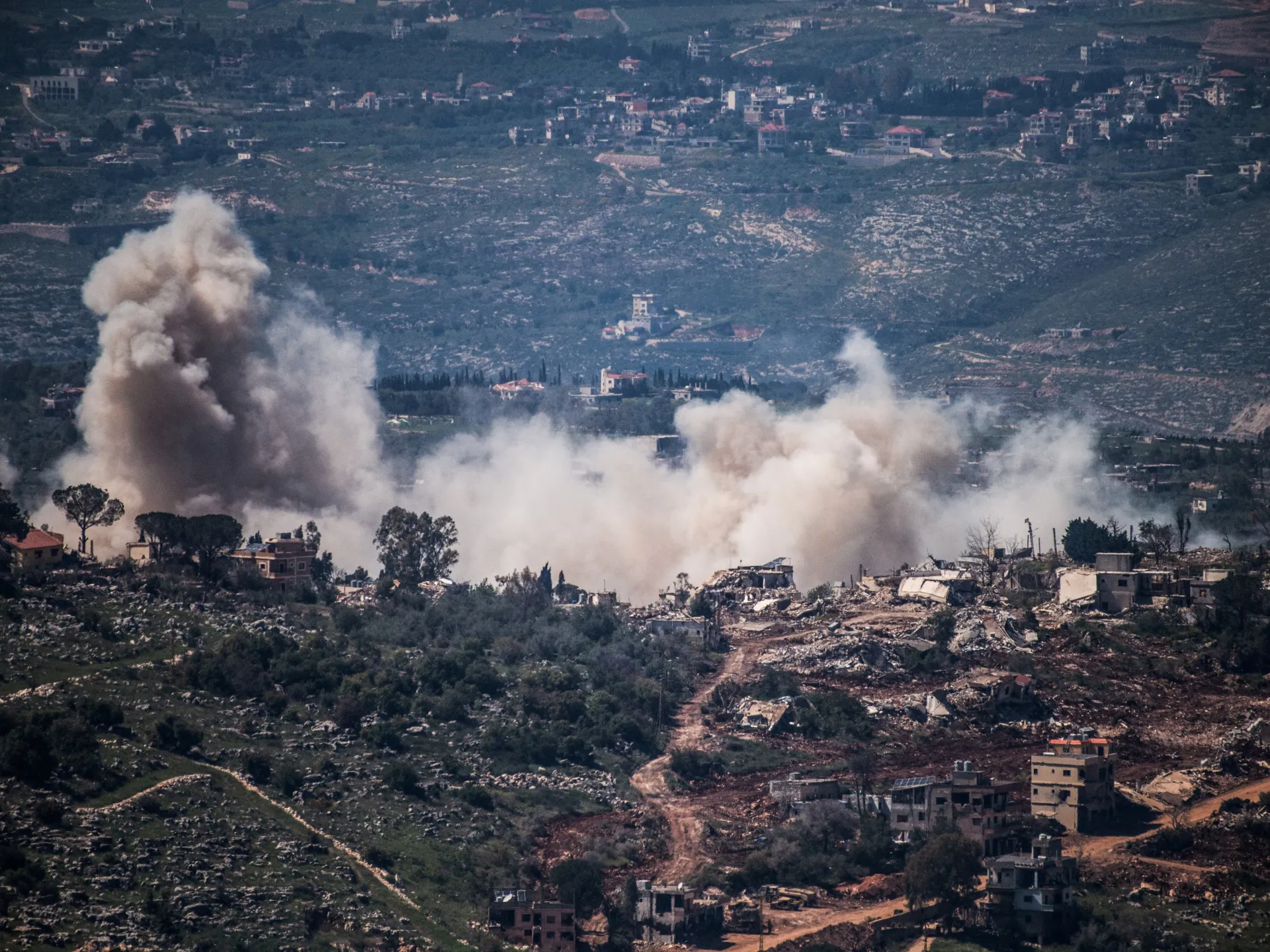
Residents of seven towns in southern Lebanon have been ordered to evacuate following a directive from the Israeli military. These locations lie north of the Litani River and fall outside the declared buffer zone, an area stretching roughly 10km north of the border where Israeli forces have maintained a presence. The instruction marks a significant escalation in the ongoing conflict with Hezbollah, occurring even as a US-brokered ceasefire remains in effect until mid-May.
An Israeli military spokesperson stated on X that the Lebanese armed group is violating the ceasefire, prompting the decision to act against it. Residents were told to move north and west of the Litani River. This action challenges the terms of the truce, which defines the buffer zone as the area inside southern Lebanon where Israeli troops are stationed. The specific towns affected are situated beyond this designated perimeter, in regions where Israeli military operations have continued despite the agreement.
Hezbollah has firmly rejected the allegations that it is undermining the Israel-Lebanon ceasefire. The group maintains that its continued attacks constitute a legitimate response to what it describes as the enemy's persistent violations of the truce. In a statement on Telegram, the Iran-aligned group argued it should not be linked to a ceasefire it did not approve, noting it had no say or position in the diplomatic arrangement. It further stated that Hezbollah's actions are effectively dismantling the ceasefire due to Israeli breaches.
Israeli Prime Minister Benjamin Netanyahu addressed the situation during a weekly cabinet meeting, asserting that the group's violations must be countered to ensure the security of Israel, its soldiers, and its communities. He noted that the number of alleged Israeli breaches claimed by Hezbollah has exceeded 500 incidents. Under the terms of the US-mediated truce, Israel retains the right to respond to planned, imminent, or ongoing attacks, a clause it has relied upon to strike alleged Hezbollah targets almost daily since the war resumed on 2 March.
Recent fighting has resulted in fresh casualties on both sides and further displacement of civilians. The Israeli army confirmed the death of Sergeant Idan Fooks, a 19-year-old soldier, during combat in southern Lebanon, with five others injured. Conversely, Hezbollah claimed to have attacked Israeli troops inside Lebanon and a rescue force using a swarm of drones. The group also reported striking a newly established Israeli artillery position in Biyyada and targeting a gathering of soldiers in Taybeh, citing casualties among Israeli forces without providing further details.
The escalation follows multiple airstrikes across south Lebanon on Sunday, which prompted thousands to flee towards Sidon and Tyre. This latest movement adds to the hundreds of thousands already displaced since hostilities renewed in March. Lebanon's Health Ministry reports that at least 2,509 people have been killed and 7,755 wounded due to Israeli attacks since the conflict resumed. While the ceasefire began on 16 April and has seen a significant reduction in hostilities, sporadic firing and these recent escalations continue to strain the fragile peace.