Former Prime Ministers Bennett and Lapid Merge Parties to Form Opposition Bloc Against Netanyahu
Naftali Bennett will lead the coalition, pledging a national commission of inquiry into the October 7 failures if elected, while recent polling suggests the alliance could unseat the current government.
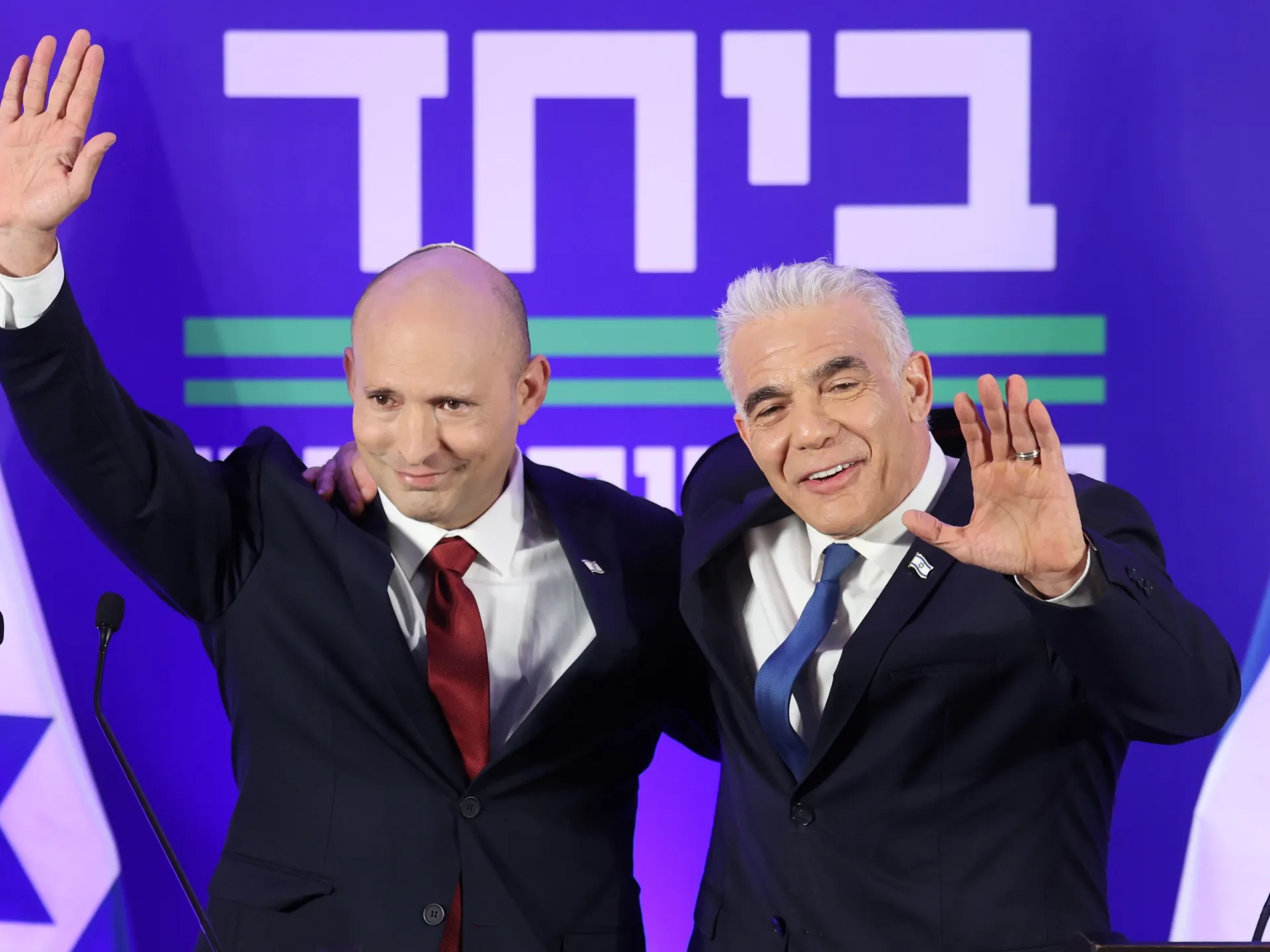
Former Israeli Prime Ministers Naftali Bennett and Yair Lapid have formally announced the merger of their respective political parties, Bennett 2026 and There is a Future, into a new entity named Together. The joint televised statement issued on Sunday confirms that Bennett will serve as the leader of the new party, a strategic move designed to unite the fragmented opposition against Prime Minister Benjamin Netanyahu ahead of the general election expected by the end of October.
The alliance represents a significant institutional shift in the political landscape, bringing together two distinct factions that previously challenged Netanyahu's tenure. While their parties differ ideologically, with Lapid positioning his group as the voice of the secular middle class and Bennett representing the right-wing, both leaders share a unified hostility toward the current government's handling of the wars following the October 7 attacks. Lapid described Bennett as an honest politician and noted the existence of trust between them, emphasising that the move is intended to end internal divisions and focus all efforts on winning the upcoming election.
Central to the new platform is Bennett's pledge to establish a national commission of inquiry into the failures leading up to the October 7, 2023, Hamas-led attack should he be elected. This proposal stands in direct contrast to the current Netanyahu government, which has rejected similar calls for an inquiry. Both leaders have been outspoken critics of the administration's security strategy, with Lapid specifically labelling the recent two-week ceasefire agreement with Iran as a political disaster.
Historical context suggests this collaboration is not without precedent, as Bennett and Lapid previously formed a coalition government in 2021 that ended Netanyahu's 12-year tenure, although that arrangement collapsed after 18 months. Their political history also includes a 2013 collaboration to enter Netanyahu's coalition, a move that excluded his traditional ultra-Orthodox allies. However, the current political climate, characterised by Netanyahu's return to power in November 2022 and the formation of the most right-wing government in Israel's history, has driven these former rivals to re-align.
Recent polling data from an April 23 survey by N12 News indicates a potential shift in the balance of power within the Knesset. The survey projects that Bennett would secure 21 seats compared to Netanyahu's 25, while Lapid's party is expected to drop to seven seats from its current 24. These figures suggest that a united opposition bloc could outperform the incumbent Likud party, although the election remains scheduled for the end of October.
The formation of Together underscores the growing pressure on the Netanyahu administration, which has faced eroding security credentials following the October 7 attacks and subsequent military operations. As the opposition consolidates its resources and messaging, the political stakes for the upcoming election are set to increase significantly, with the new party aiming to present a cohesive alternative to the current right-wing hegemony.