Official aftershock alert concludes for Sanriku region, though experts warn risks persist locally
While the likelihood of massive tsunamis along major subduction zones has diminished, authorities urge residents to maintain preparedness in the immediate epicentral area
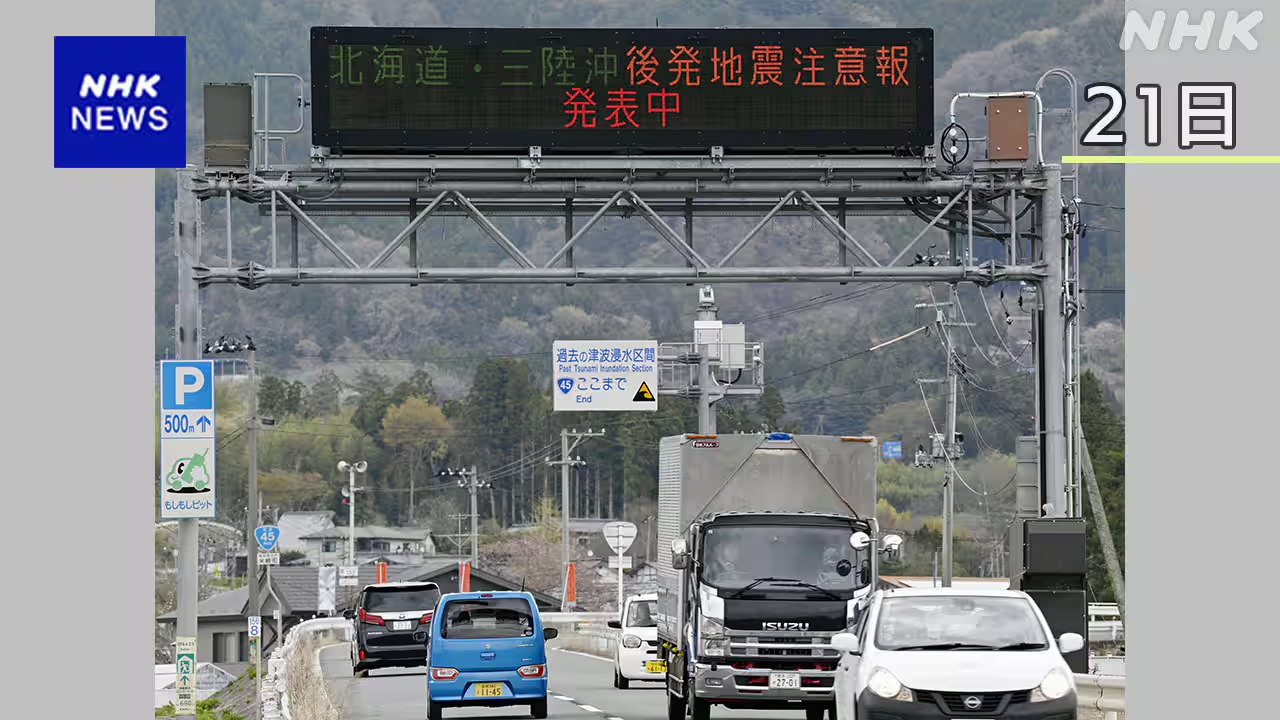
One week has elapsed since the major Sanriku Offshore earthquake, marking a significant milestone in the region's recovery timeline. As the anniversary approaches on 27 April 2026, the Japan Meteorological Agency has issued a definitive timeline for its ongoing monitoring efforts. The formal period for the "Hokkaido-Sanriku Offshore Aftershock Caution Information" is scheduled to conclude at 17:00 on this day, effectively ending the official alert phase for the broader region.
Despite the cessation of the formal caution period, the institutional stance from geological experts remains cautious regarding the specific dynamics of the epicentral zone. While the probability of large, tsunami-accompanied earthquakes occurring along the Kuril and Japan Trenches has diminished, significant seismic risk continues to exist within the immediate vicinity of the original quake. This distinction highlights a nuanced policy shift where broad regional alerts can be lifted without a corresponding reduction in local vigilance.
The Japan Meteorological Agency continues to monitor the situation closely, acknowledging that the geological conditions in the Sanriku Offshore area require sustained attention even after the official window closes. The agency's decision to end the alert at 5pm reflects a reassessment of the threat landscape, particularly concerning the major subduction zones that have historically generated catastrophic events in the Pacific. However, the persistence of risk in the epicentral area suggests that the conclusion of the alert does not signal a return to normalcy for residents in the most affected zones.
Consequently, authorities are directing the public to maintain disaster preparedness protocols despite the end of the formal caution period. This guidance underscores a governance approach that prioritizes safety over the administrative convenience of closing alerts. The message from experts is clear: the reduction in risk along the major trenches does not equate to an absence of danger in the specific location where the initial seismic event occurred.
As the region moves forward, the focus remains on balancing the relief of an official alert with the practical necessity of ongoing readiness. The Japan Meteorological Agency's communication serves as a reminder that seismic activity in subduction zones is complex and that official timelines do not always align perfectly with geological realities. Residents are expected to remain vigilant, ensuring that emergency plans and supplies are ready for any unforeseen developments in the epicentral region.