Iran-US military options assessed as failing strategic objectives by Johns Hopkins scholar
Analysis suggests the United States must pivot from military pressure to a diplomatic agreement, noting that war with Iran has proven difficult to win.
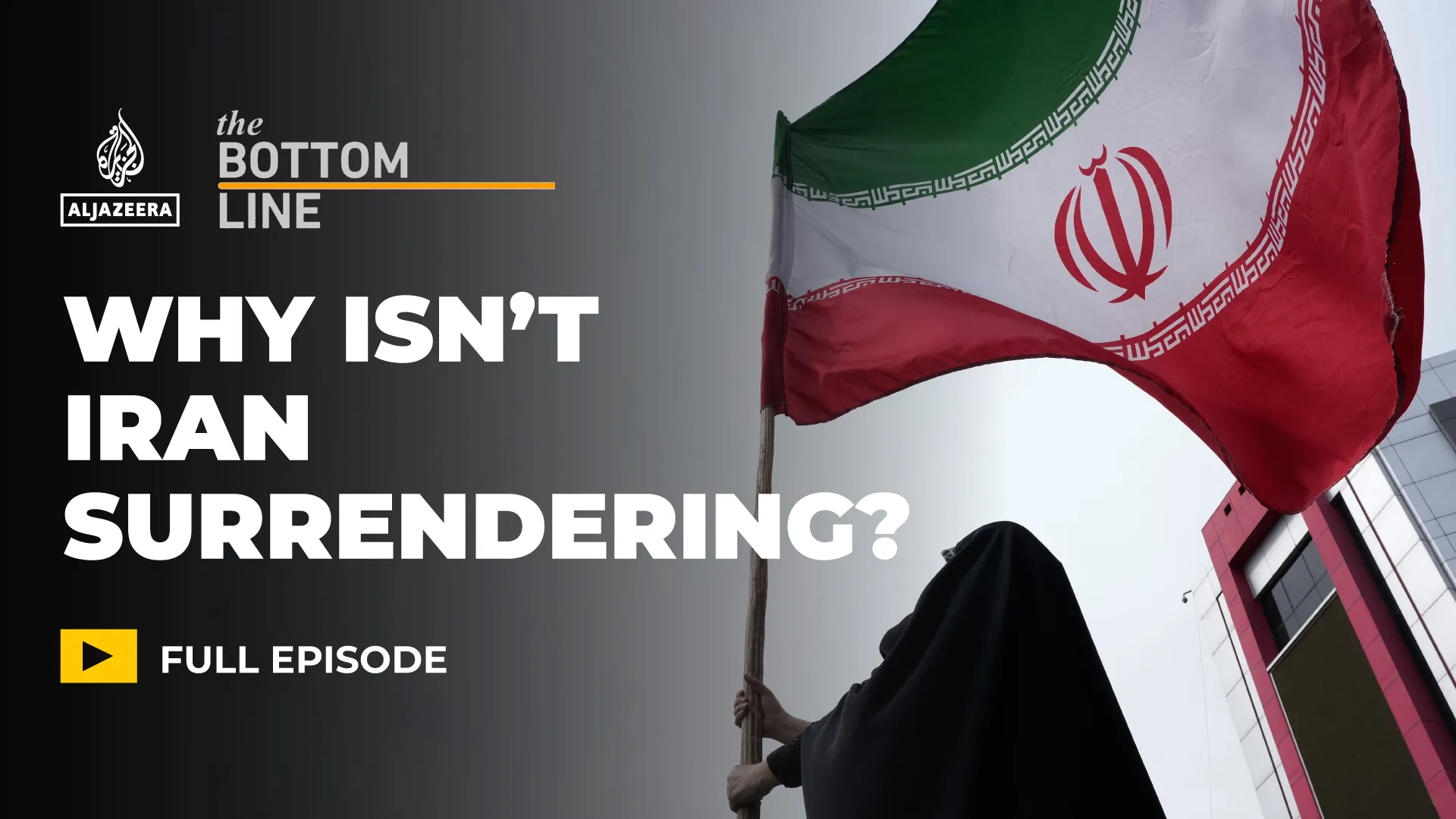
Political scientist Vali Nasr has publicly assessed that recent military options pursued by the United States and Israel against Iran have failed to achieve their strategic objectives. Speaking on the limits of coercion, Nasr asserts that force alone is insufficient to compel Tehran into surrender, indicating that the current approach has come up short.
The analysis, provided by Nasr, a professor of international affairs and Middle East studies at Johns Hopkins University, highlights a fundamental mismatch in expectations between Washington and Tehran. He argues that the conflict demonstrates war with Iran is not easy, noting that Iranian authorities have adopted a significantly hardened stance against the United States.
According to Nasr, the Iranian objective is to ensure that the US and Israel understand that they will not surrender without losing. Consequently, he contends that demanding capitulation at the negotiating table is a futile strategy, as the other side will not yield simply because they have not been defeated militarily.
This assessment comes against a backdrop of deepening diplomatic stalemate characterised by strained relations between the two nations. The White House has cancelled envoys to Pakistan, while Iran has shifted its diplomatic efforts to Oman. Iranian Foreign Minister Araghchi recently travelled to Oman without accompanying Parliament Speakers, underscoring the current impasse and the lack of a return to previous diplomatic channels.
Despite on-again, off-again negotiations, Nasr concludes that the United States has no option but to pursue a diplomatic solution with Iran. He emphasises that a deal is necessary rather than continuing to demand surrender, marking a potential shift in strategy from military pressure to diplomatic engagement.
While broader regional instability, such as armed group attacks on military positions in Mali, highlights wider security concerns, Nasr's analysis focuses specifically on the unique dynamic between the US and Iran. He maintains that the only viable path forward is a negotiated agreement that acknowledges the limits of military force in this context.