Drought crisis exposes UK agricultural policy gaps as yields collapse
The driest July since 1836 has left nearly three-quarters of England in drought, prompting calls for systemic reform in how the nation manages agricultural climate risk.
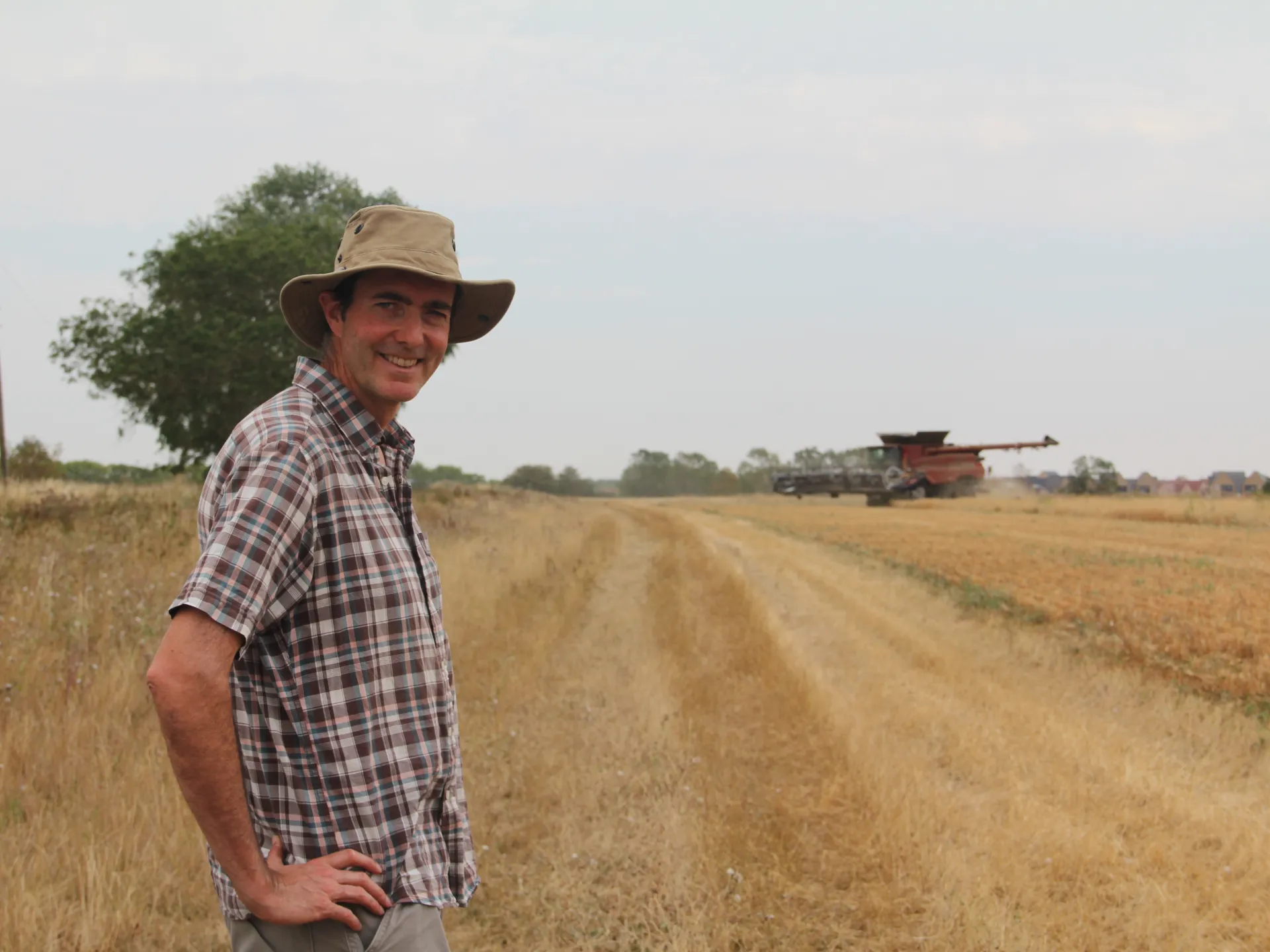
Record-low rainfall and unusually high temperatures have resulted in the driest July in England and Wales since records began in 1836, leaving nearly three-quarters of land in England under drought conditions. The National Drought Group has described the situation as exceptionally serious, noting it is the third drought in five years and the second consecutive year. Jamie Burrows, chair of the National Farmers’ Union’s Combinable Crops Board, confirmed that more than half of the winter wheat crop was harvested before the end of July, reflecting the severe challenges facing arable farmers.
The crisis has intensified demands for government intervention, with industry leaders urging investment in drought-resistant crop varieties and on-farm water storage infrastructure. Burrows highlighted the urgent need for a planning system that facilitates the construction of water storage facilities, arguing that current regulatory frameworks hinder adaptation to extreme weather. The National Drought Group’s chair, Helen Wakeham, warned of long-lasting impacts, emphasizing that the frequency of these events requires a shift in how agricultural resilience is supported.
Compounding the environmental stress are economic disruptions stemming from geopolitical conflict. Fuel and fertiliser prices surged this spring following United States and Israeli strikes on Iran in late February, which closed the Strait of Hormuz and disrupted global markets. Farmers entered the growing season already exposed to these cost increases, with drought arriving shortly after seeding. This convergence of climate and market shocks has led to significant financial losses, with some operators reporting collapsing yields despite efforts to manage risk.
Tom Pearson, a farmer in Cambridgeshire, illustrates the limits of current adaptation strategies. Despite 11 years of building soil resilience through regenerative methods, including no-till farming and reduced chemical inputs, Pearson reports that yields are down for a third consecutive year. He has introduced ancient grain varieties such as einkorn and emmer, sourced from seed banks in the United States, Poland, the Czech Republic, and the John Innes Centre, which are better suited to drier conditions. However, he notes that even the best-managed soil has its limits against extreme weather events, and the financial burden remains disproportionately high.
The absence of a comprehensive national crop-insurance scheme leaves UK farmers bearing significant financial risk. A 2025 study by the European Investment Bank and European Commission found that extreme-weather losses in the EU average 28 billion euros annually, with roughly 80 percent of this risk uninsured. Rowan Douglas, an insurance risk specialist, argues that the UK should quantify its agricultural climate risk using its existing data and institutional capacity. He suggests that while the UK lacks the EU’s modelling framework, it possesses the underlying data and institutions to conduct such assessments effectively, providing a foundation for fairer risk-sharing between farmers and consumers.
As housing encroaches on agricultural land, Pearson is exploring peri-urban farming models to sell directly to nearby residents. This approach aims to help the public understand the impact of climate change on food production, though it represents only a small step in addressing the broader systemic challenges. The current drought underscores the need for a coordinated policy response that addresses both immediate infrastructure needs and long-term financial protection for the agricultural sector.