Total solar eclipse plunges Segovia into darkness for 59 seconds
A total solar eclipse cast daytime darkness over Segovia, Spain, for 59 seconds on Wednesday, marking the first such event in the region since 1999 and drawing locals and international visitors to the Cathedral of the Assumption of the Virgin and San Frutos.
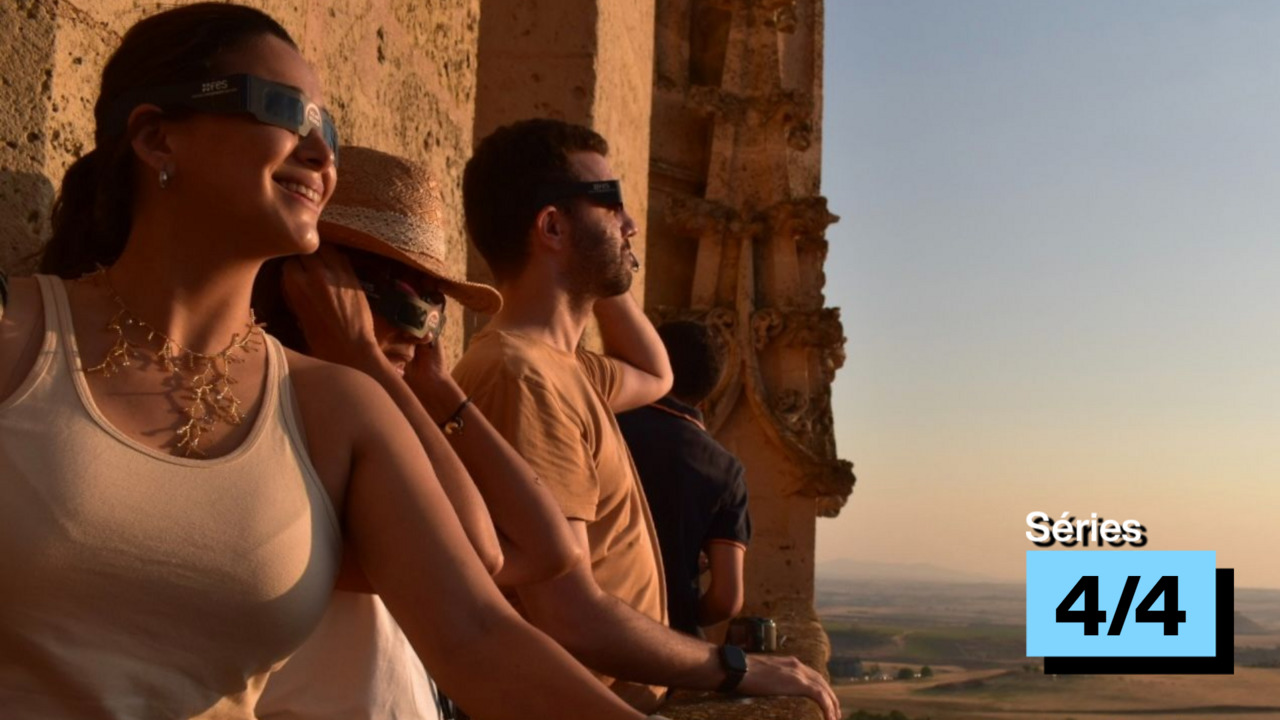
A total solar eclipse cast daytime darkness over Segovia, Spain, for 59 seconds on Wednesday, marking mainland Europe's first total solar eclipse since 1999. The event drew locals and visitors to the Cathedral of the Assumption of the Virgin and San Frutos, where the moon’s shadow blotted out the sun and the solar corona became visible.
Observers gathered atop the cathedral’s 16th-century bell tower, a vantage point usually closed to the public during daylight hours. Access required climbing 190 steps to the 90-metre summit, a physical ascent undertaken by a small group including international tourists and local residents. Among them was a Swedish couple who travelled from Malmö, joining a handful of people privileged to witness the totality from the tower’s height.
The eclipse occurred at 8:30 pm, heralded by chiming bells from the cathedral. As darkness descended, the crowd witnessed the sun’s complete obscuration, an event that suspended normal activity for the duration of the 59-second totality. The moment was marked by a mix of awe and apprehension, with observers noting the eerie silence and the visual spectacle of the solar corona.
This astronomical event represents a significant occurrence for the region, being the first total solar eclipse visible in northern Spain since 2006. The influx of eclipse tourism has triggered logistical pressures and strained infrastructure in rural areas, highlighting the growing impact of such celestial events on local governance and community resources.
While science provides a straightforward explanation for the phenomenon, the experience evoked strong reactions among those present. Observers described the event as a unique, life-defining moment, contrasting modern understanding with the historical perception of eclipses as omens. The event underscores the intersection of astronomical phenomena, cultural heritage, and public engagement in contemporary Spain.