Colombia declares economic emergency as earthquake death toll climbs to 265
President Abelardo de la Espriella pledges reconstruction fund as search for survivors intensifies amid unstable rubble and rising casualties.
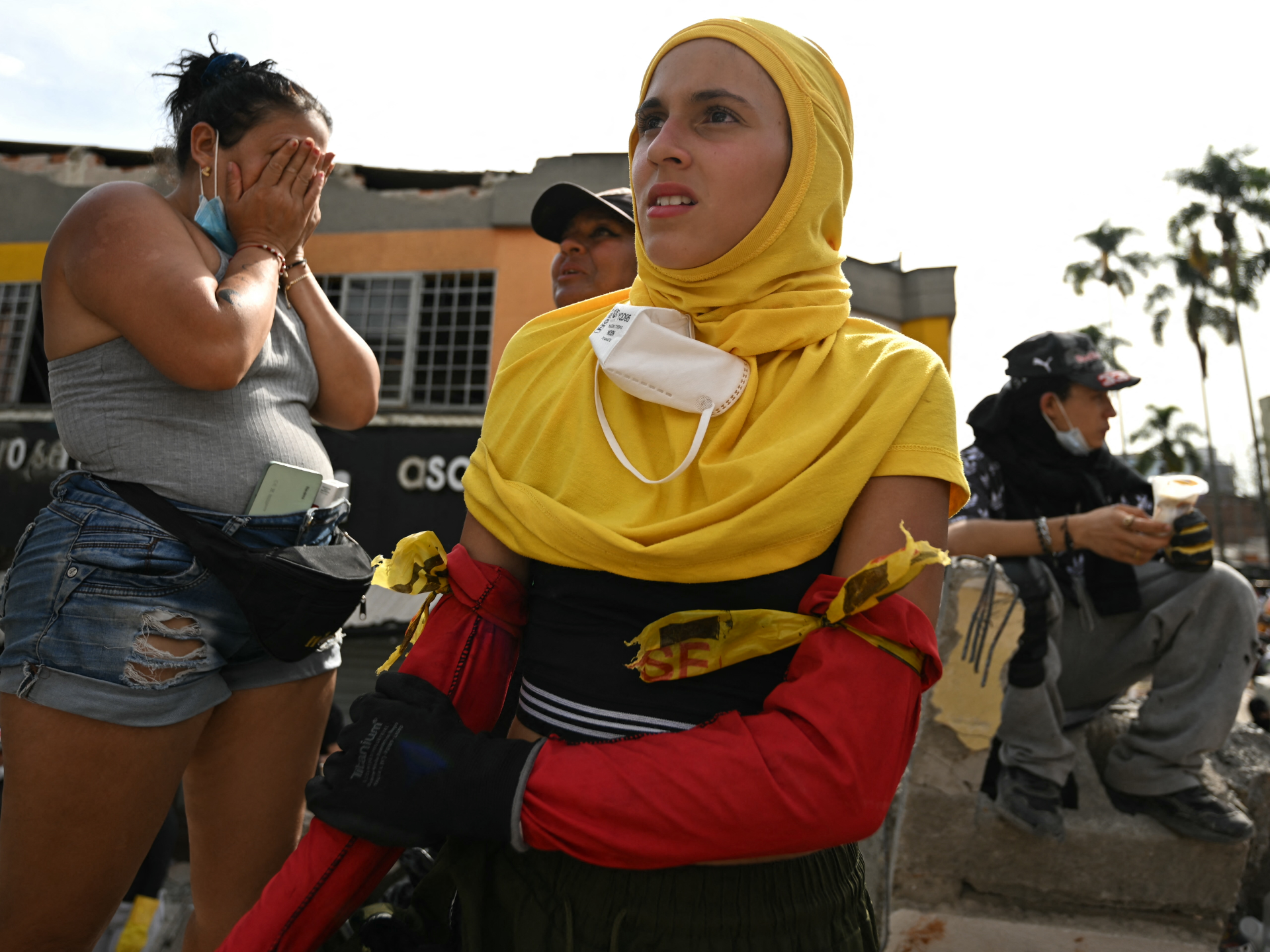
Colombian authorities have confirmed that the death toll from Monday’s magnitude 7.4 earthquake has risen to at least 265, with more than 3,500 injuries and approximately 500 people still unaccounted for. The seismic event, described as the strongest to strike the country this century, has prompted President Abelardo de la Espriella to declare a three-day national mourning period and an economic emergency.
Rescue teams have entered their fourth day of operations, focusing efforts on the cities of Pereira and Cali where structural damage is most severe. Officials have characterised the current stage of the search as the final phase, noting that the critical 72-hour window for locating survivors is rapidly closing. Despite the diminishing odds, crews continue to work through unstable rubble using cranes, hand tools, vibration sensors, and sniffer dogs.
In Pereira, specialist teams have concentrated on a collapsed bakery where street vendor Pablo Loaiza is believed to be trapped. Rescuers have reported intermittent signs indicating that someone may still be alive beneath the concrete, prompting them to frequently order silence to listen for voices. Outside the site, Loaiza’s 16-year-old niece, Sara Loaiza, has been keeping vigil as relatives await news.
The disaster has caused widespread destruction, with over 9,550 homes destroyed and thousands of residents forced to sleep in makeshift shelters. Volunteers are currently organising the distribution of food, water, and blood donations to support the affected communities. The earthquake’s epicentre was located in the remote Choco region, though the most significant casualties and infrastructure damage have been reported in the western urban centres.
President de la Espriella, who was inaugurated just three days prior to the disaster, has pledged an emergency fund to reconstruct hospitals, schools, and other critical infrastructure. The government’s response marks the first major test for the new administration as it manages the logistical and financial demands of a national tragedy of immense proportions.