Colombia enters final rescue phase as earthquake death toll reaches 265
Rescue crews race against the 72-hour survival window in western Colombia, while international aid arrives and political scrutiny mounts over the new administration’s fiscal platform.
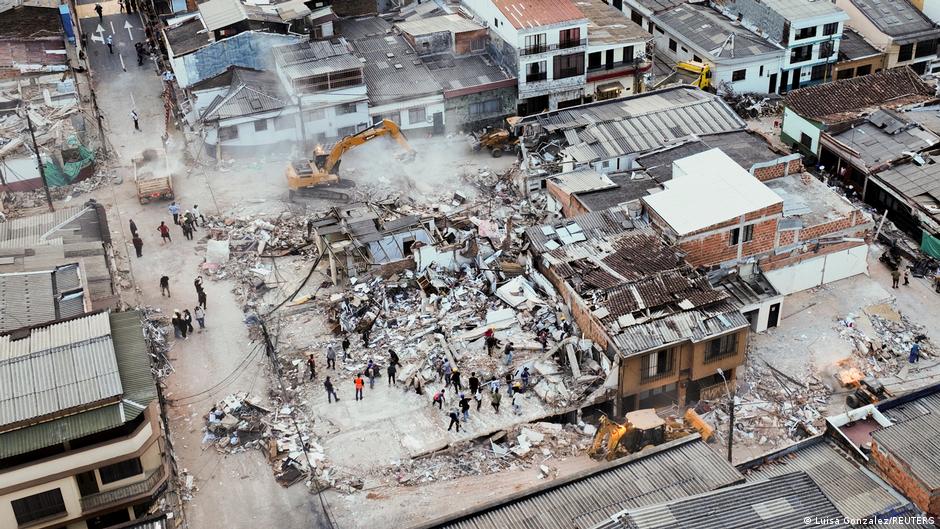
Rescue operations in western Colombia have entered what officials describe as the final phase, as search teams work through a third consecutive night to locate survivors following a magnitude 7.4 earthquake. The disaster, centred in the remote Choco region, has killed 265 people, injured approximately 3,500, and left nearly 500 individuals unaccounted for. President Abelardo de la Espriella confirmed the rising toll on Wednesday, declaring an economic emergency and three days of national mourning as the government grapples with widespread infrastructure collapse.
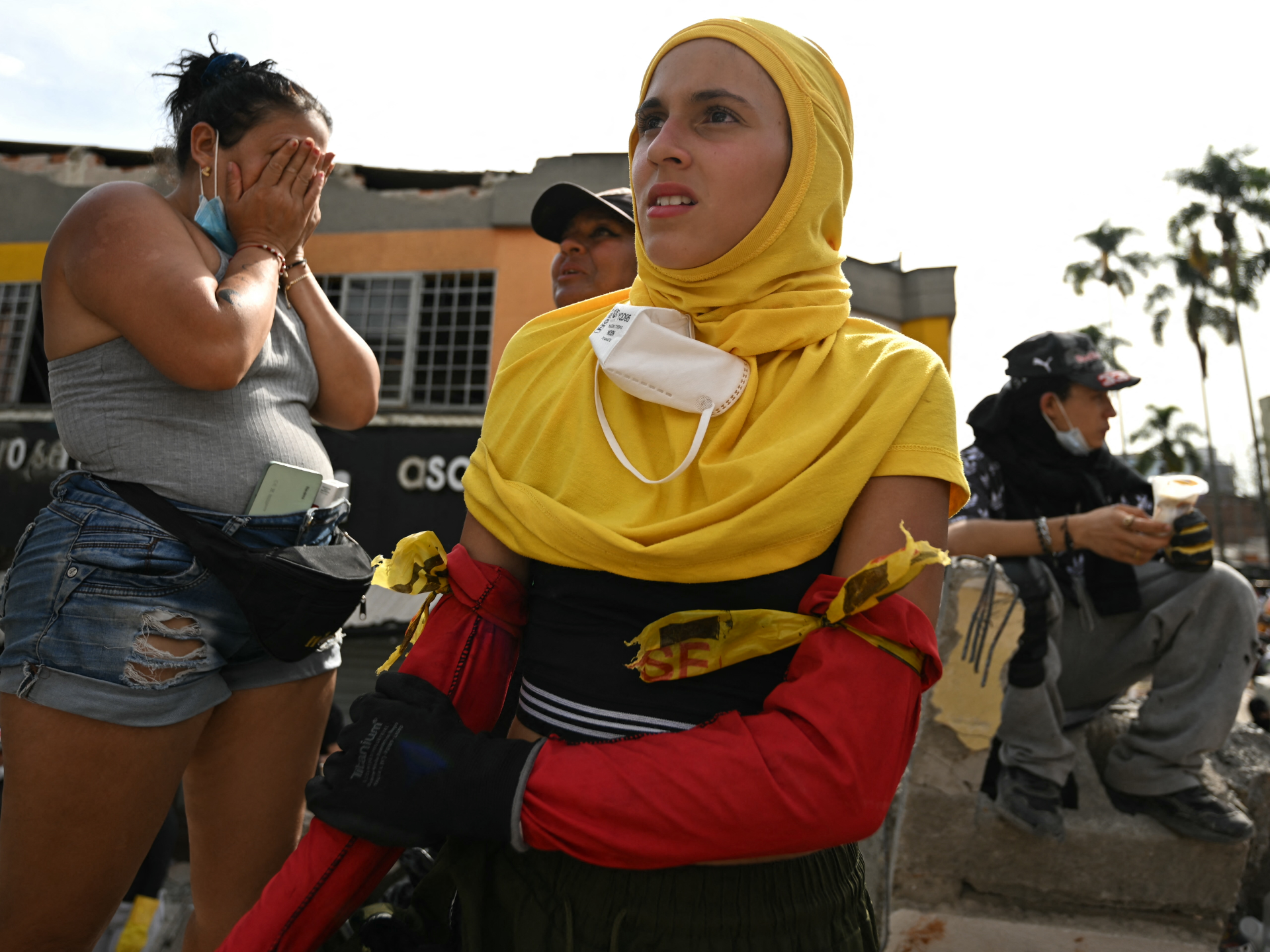
Cali Mayor Alejandro Eder stated that while the critical 72-hour window for finding survivors is closing, crews remain on-site detecting signs of life beneath the rubble. "Every minute is vital," Eder said, noting that the odds of survival diminish steadily with time. Volunteer rescuer Johana Sanchez reported that teams had pulled three people from the debris alive and three dead, pausing regularly to listen for further signs of life in the collapsed structures of Cali and Pereira.
The scale of displacement is significant, with more than 25,800 families affected and thousands left homeless in parks or emergency shelters. A crowdsourced tracking site used by families reports over 4,100 missing, a figure substantially higher than the official count. In the hardest-hit cities, including Cali and Pereira, over 140 buildings have collapsed entirely, while thousands of homes have been damaged or destroyed, forcing residents to sleep outdoors due to fear of aftershocks.
Colombia’s geological service has recorded 130 aftershocks since the initial quake struck near San Jose del Palmar on Monday morning. Response efforts are particularly hampered in the Choco region, where lost cell service and reliance on river access have isolated communities already strained by decades of conflict. The Norwegian Refugee Council and UN agencies have noted that aid groups previously engaged in peace efforts have pivoted quickly to disaster relief, though the humanitarian situation remains severe.
International assistance has begun to arrive, with the United States pledging more than $15 million and sending response teams. Mexico has dispatched military aircraft carrying nearly 20 tons of food and security personnel, while El Salvador has offered two planes with 100 tons of supplies. Despite the influx of aid, the political landscape in Bogota is complex; President de la Espriella, inaugurated just three days prior to the quake, campaigned on a platform of reduced public spending, including cuts to the disaster-response agency now leading the emergency effort.
Analysts have highlighted the contradiction between the president’s fiscal promises and the immediate need for disaster funding. De la Espriella has pledged to establish a fund to rebuild hospitals, schools, and infrastructure, but has not yet detailed the specific economic emergency measures. Seismologists warn that further seismic activity is likely, with experts noting that Colombia’s active fault lines make future earthquakes of similar magnitude a matter of when, not if.