White House extends Jones Act waiver to mitigate fuel volatility ahead of midterms
The move permits foreign-flagged vessels to transport oil, fuel, and fertiliser within US waters, though analysts warn of limited consumer relief and potential damage to domestic shipbuilders.
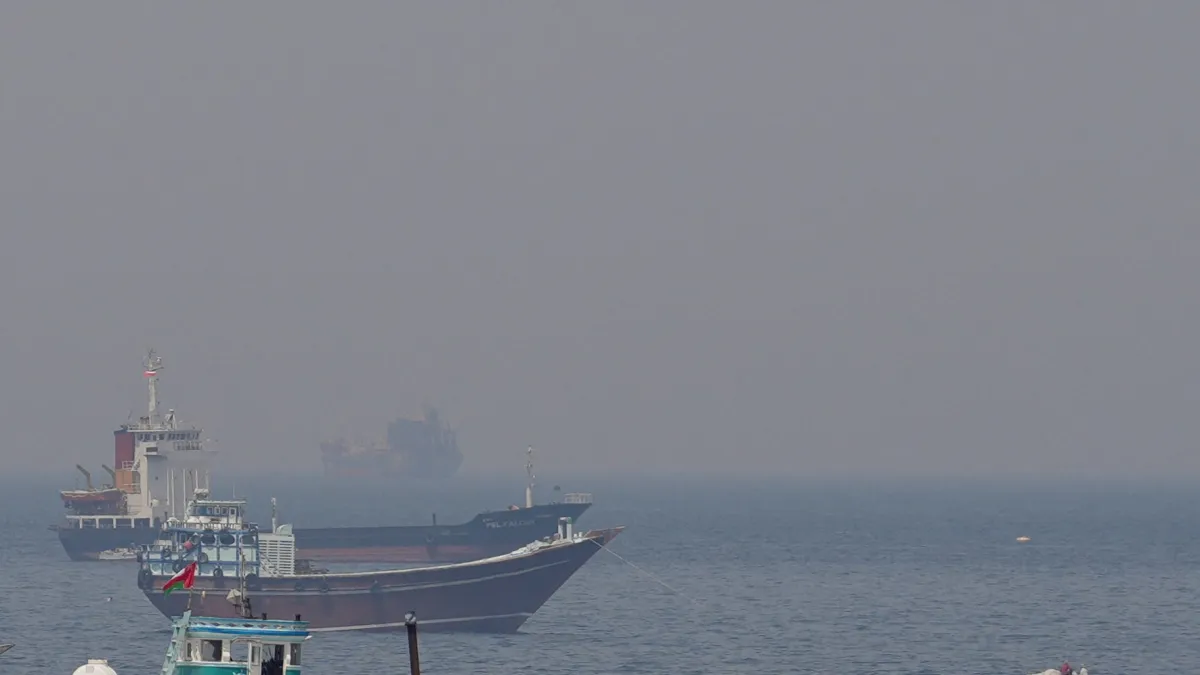
The White House announced on Friday, 24 April 2026, that it has granted a 90-day extension to a waiver of the Jones Act. This decision allows foreign-flagged vessels to transport oil, fuel, and fertiliser within US waters, a move the administration states aims to provide economic stability. The extension specifically targets the transport of these commodities to address disruptions linked to the ongoing conflict with Iran, with the White House seeking to mitigate politically sensitive spikes in fuel prices ahead of the November midterm elections.
The stated objective of the waiver is to ensure the maritime industry has sufficient time to secure vessel availability, thereby maintaining the flow of critical goods. White House spokeswoman Taylor Rogers confirmed the move, noting that the extension provides certainty and stability for both the US and global economies. By acting three weeks before the previous waiver's expiration, the administration intends to allow the sector ample time to organise logistics without interruption.
However, the policy decision has drawn sharp criticism from industry groups and analysts who argue the measure will have little immediate impact on consumer bills. The American Maritime Partnership contends that extending an already long and ineffective waiver undermines American shipbuilders and workers. Jennifer Carpenter, president of the partnership, described the action as an affront to hardworking Americans and a sabotage of the agenda to restore American maritime dominance.
Supporters of the Jones Act, which was enacted in 1920, maintain that the law is vital for national security and the domestic merchant marine. The legislation mandates that goods transported between US ports must be carried on US-built, US-owned, and US-crewed vessels. Proponents argue this requirement is essential for maintaining a shipping sector capable of supporting military logistics, even as critics claim it sharply raises shipping costs and limits capacity during crises.
Analysts and think tanks, such as the Center for American Progress, have previously estimated that such waivers yield minimal price relief for consumers. Estimates from March suggested a waiver might decrease East Coast gas prices by a modest 3 cents while potentially raising costs on the Gulf Coast. Despite the administration's assertion that the waiver aids national security, these assessments suggest the measure may primarily allow the oil industry to continue profiting from high prices while reducing transport costs.
Recent polling indicates significant public concern over fuel costs, with 77 per cent of registered voters attributing at least some responsibility to the President for recent price rises. This sentiment weighs heavily on the administration as it navigates the approach to the midterms, where affordability is expected to be a defining issue for voters. While the White House argues the extension is necessary to dampen volatility, the actual impact on lowering consumer fuel bills remains questionable given lingering geopolitical risks and supply chain disruptions.