US Justice Department closes probe into Federal Reserve Chair Jerome Powell
The decision removes a legal barrier previously cited by Senator Thom Tillis and follows a judicial ruling that found the original subpoenas lacked evidentiary basis.
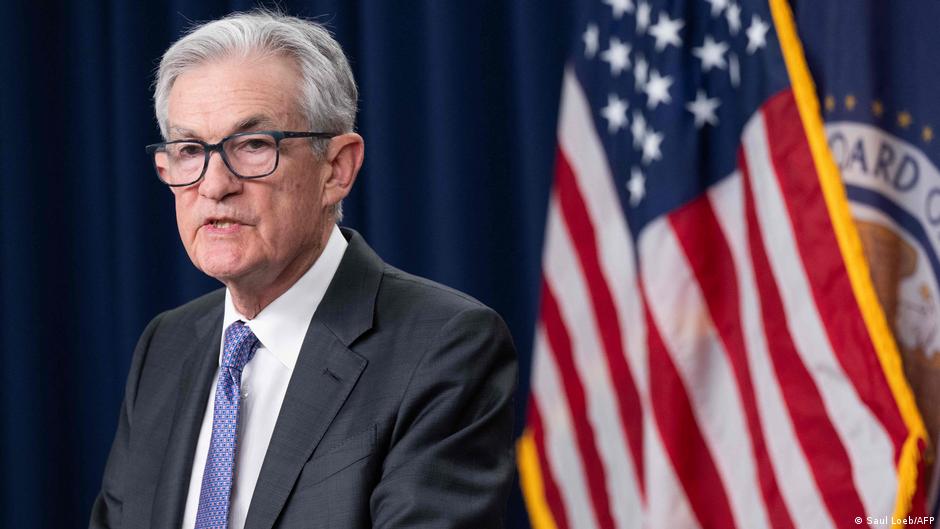
The United States Department of Justice has formally concluded its criminal inquiry into Federal Reserve Chair Jerome Powell, a move that eliminates a significant legal impediment to the Senate confirmation of Kevin Warsh. Warsh, the preferred nominee of President Donald Trump to lead the central bank, had faced a blockade from the Senate Banking Committee while the investigation into alleged cost overruns regarding renovations to the Fed's Washington headquarters remained active.
US Attorney Jeanine Pirro, who oversees the matter in the District of Columbia, announced the closure of the probe and directed the Federal Reserve's Office of the Inspector General to assume responsibility. In doing so, Pirro emphasised that the internal watchdog possesses the specific authority to hold the central bank accountable to American taxpayers, expressing confidence that an expedited comprehensive report will resolve the questions that originally prompted the issuance of subpoenas.
This administrative shift effectively lifts the obstruction previously imposed by Republican Senator Thom Tillis of North Carolina. Tillis had characterised the investigation as baseless and vowed not to support Warsh's appointment until the Department of Justice dropped its charges. The removal of this political hurdle allows the confirmation process to proceed, though the final timeline for the Inspector General's findings remains unspecified.
The decision to close the case follows a critical judicial intervention by Chief US District Judge James Boasberg. The judge had previously blocked similar subpoenas to the Fed's Board of Governors, ruling that there was essentially zero evidence that Powell committed a crime. Boasberg noted that the subpoenas appeared to have been issued for the improper purpose of pressuring Powell to acquiesce to requests regarding interest rates or his resignation.
The closure of this investigation marks a distinct change in the broader political context, particularly given the Department of Justice's recent pursuit of adversaries and critics of the Trump administration. While the Department of Justice has stepped back from the specific inquiry into Powell, the matter has not been dismissed entirely but rather transferred to an internal agency designed to audit the Federal Reserve's operations and spending.
The transition of authority from the Justice Department to the Office of the Inspector General leaves the ultimate political implications uncertain. It remains to be seen whether the Inspector General's forthcoming report will fully satisfy Senator Tillis or other members of the Senate Banking Committee regarding the propriety of the Federal Reserve's spending, though the immediate legal obstacle to Warsh's nomination has been removed.