Iranian Foreign Minister arrives in Islamabad as US envoys prepare for ceasefire talks
Diplomatic efforts to restart peace talks between the United States and Iran face a critical juncture in Islamabad, with conflicting initial reports on immediate meetings now resolved by White House confirmation.
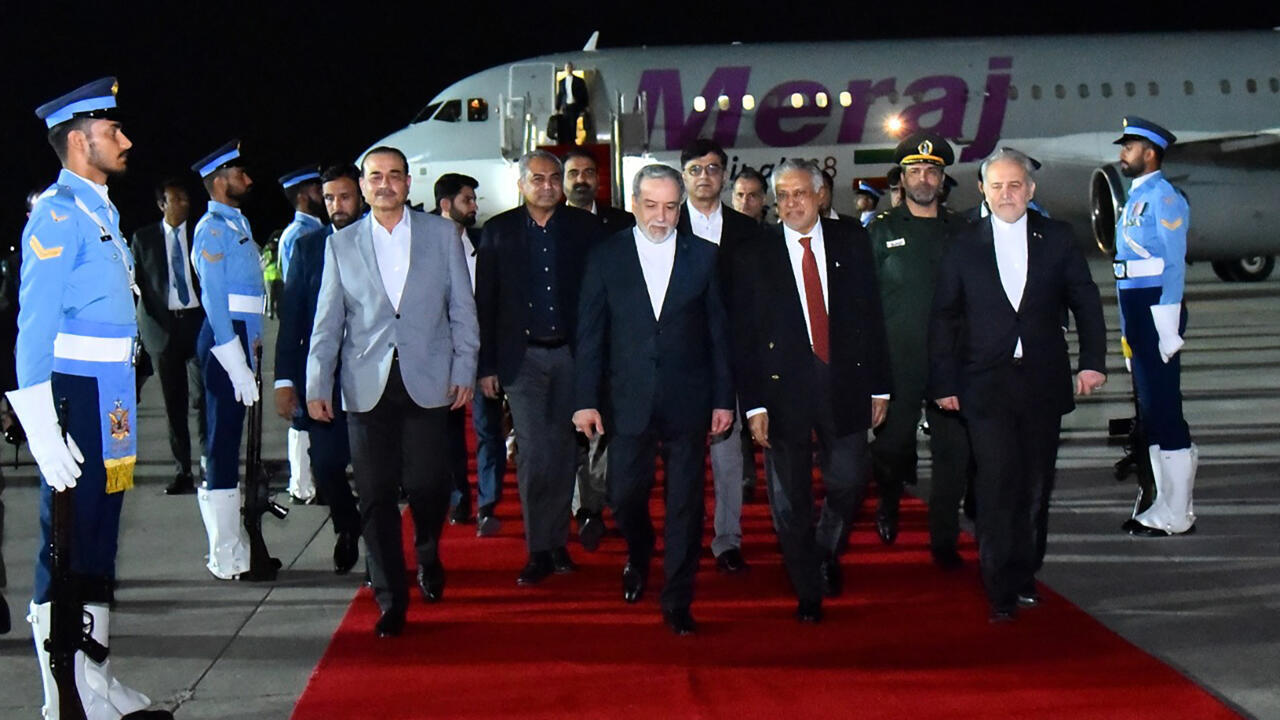
Iranian Foreign Minister Abbas Araghchi has arrived in Islamabad to discuss proposals for restarting peace talks with the United States. The visit marks a significant development in Pakistan's ongoing mediation efforts, although initial signals from Pakistani sources suggested the Iranian delegation would not meet US negotiators immediately upon arrival.
The White House has since clarified the diplomatic schedule, confirming that special envoys Steve Witkoff and Jared Kushner are departing the United States on Saturday to engage directly with the Iranian official in Pakistan. This logistical arrangement follows a period of uncertainty regarding the materialisation of previous peace talks, which failed earlier in the week due to a lack of commitment from Tehran and the absence of a US delegation led by Vice President JD Vance.
US Vice President JD Vance has stated he is prepared to travel to Pakistan to join the negotiations should they prove successful. Concurrently, Qatar's Emir Sheikh Tamim bin Hamad Al Thani discussed the Washington-Tehran ceasefire agreement with President Donald Trump, pledging continued mediation support to the broader diplomatic initiative.
Tensions remain high regarding the Strait of Hormuz, a critical bottleneck for global energy shipping. Iran has refused to reopen the strait until the US blockade is lifted, seizing two large cargo vessels in the process. Shipping data indicates only five ships crossed the strait in the last 24 hours, a stark contrast to the approximately 130 vessels that passed through prior to the conflict.
In a separate but parallel theatre of conflict, a ceasefire in Lebanon has been extended for three weeks, though fighting continues in the southern buffer zone between Israel and Hezbollah. Tehran views a resolution in Lebanon as a precondition for talks with the United States, complicating the diplomatic landscape in the region.
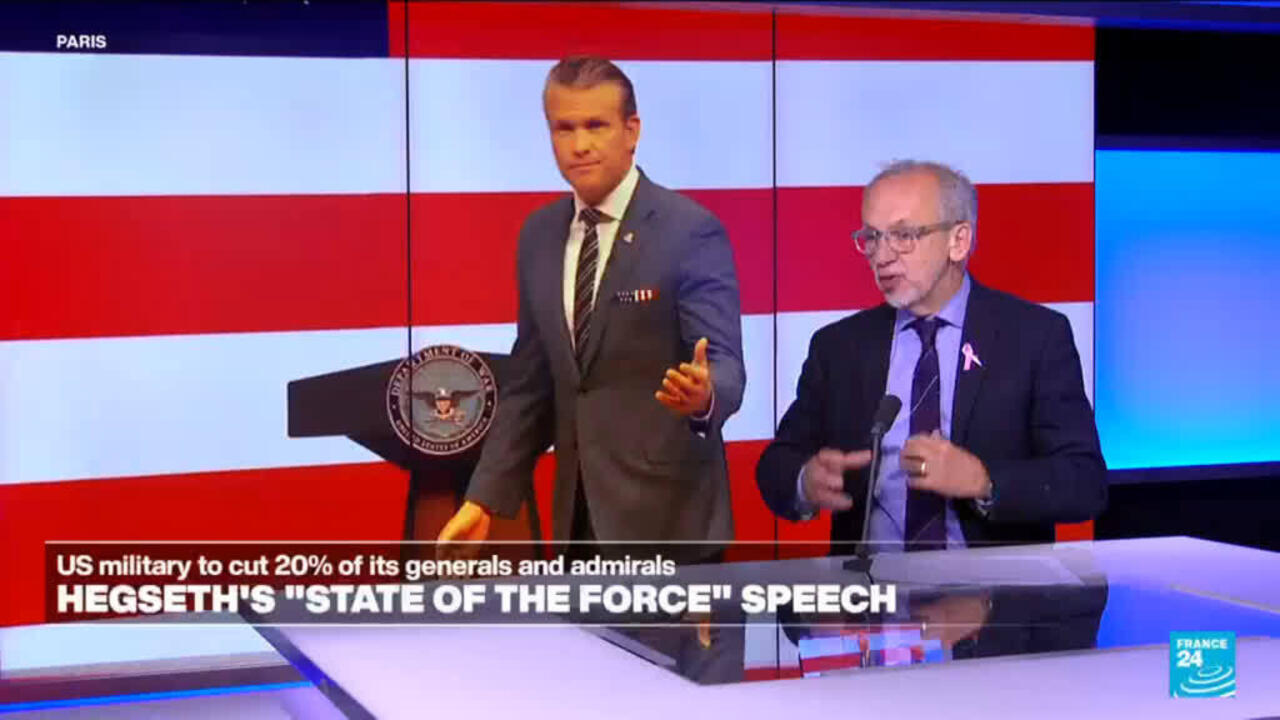
US Defence Secretary Pete Hegseth noted that Iran possesses an open window to secure a good deal by abandoning nuclear weapons in meaningful and verifiable ways. Meanwhile, oil markets remain volatile, with Brent crude holding steady at $105.11 a barrel as traders weigh the potential for further disruption or stability depending on the outcome of these high-stakes negotiations.