Human Rights Watch report flags continued displacement in Tigray despite peace accord
Hundreds of thousands remain unable to return to their homes nearly four years after the Tigray People's Liberation Front and the Ethiopian government signed a peace deal.
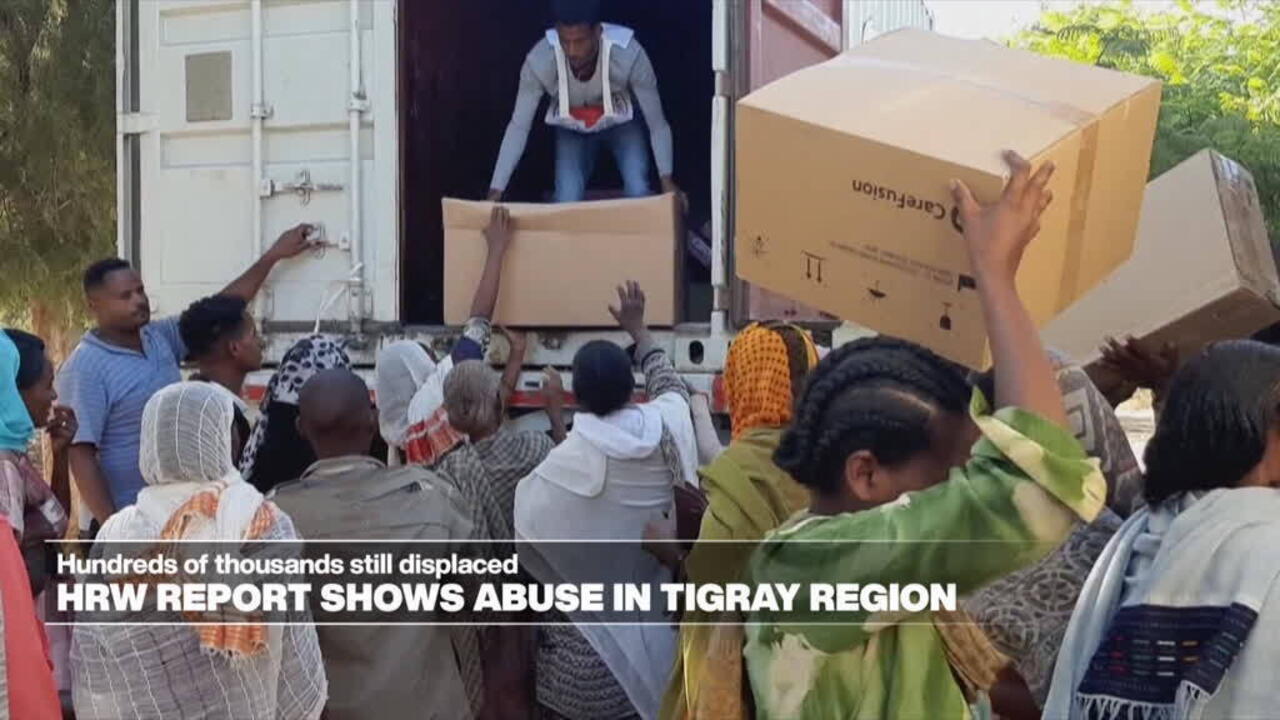
Human Rights Watch has published a new assessment describing the situation in Tigray as one of unrelenting persecution. The report, released by the international organisation, argues that the region continues to face severe challenges despite the passage of time since the conflict officially de-escalated.
The core finding centres on the failure of the peace process to deliver immediate stability for the population. According to the document, nearly four years after the Tigray People's Liberation Front and the Ethiopian government signed an agreement, hundreds of thousands of Tigrayans remain displaced. The report states these individuals are currently unable to return to their homes.
This qualitative assessment by Human Rights Watch suggests a significant disconnect between the formal cessation of hostilities and the lived experience of the people in the region. The organisation characterises the ongoing inability of the displaced population to resettle as a continuation of persecution, rather than a temporary aftermath of the war.
The report serves as a critical update on the humanitarian landscape in Ethiopia, noting that the promised resolution from the peace accord has not yet translated into repatriation for the affected communities. While the agreement was signed approximately four years ago, the human cost persists according to the latest data presented by the watchdog.
The findings underscore the complexity of post-conflict recovery in the Horn of Africa. By labelling the situation as unrelenting, Human Rights Watch highlights the structural barriers preventing a return to normalcy for a vast number of residents who have been uprooted from their ancestral lands.
This release adds to the broader discourse on security and human rights in Africa, where the implementation of peace treaties often lags behind their signing. The report calls attention to the urgent need for mechanisms that ensure the peace agreement results in tangible outcomes for the displaced.