Volunteer-led cultural initiative in Wigtown credited with reversing decades of economic decline
A volunteer-run bookshop in Galloway offers guests the opportunity to manage the store and reside in the apartment above, a model credited with stabilising the local property market and generating millions for the regional economy.
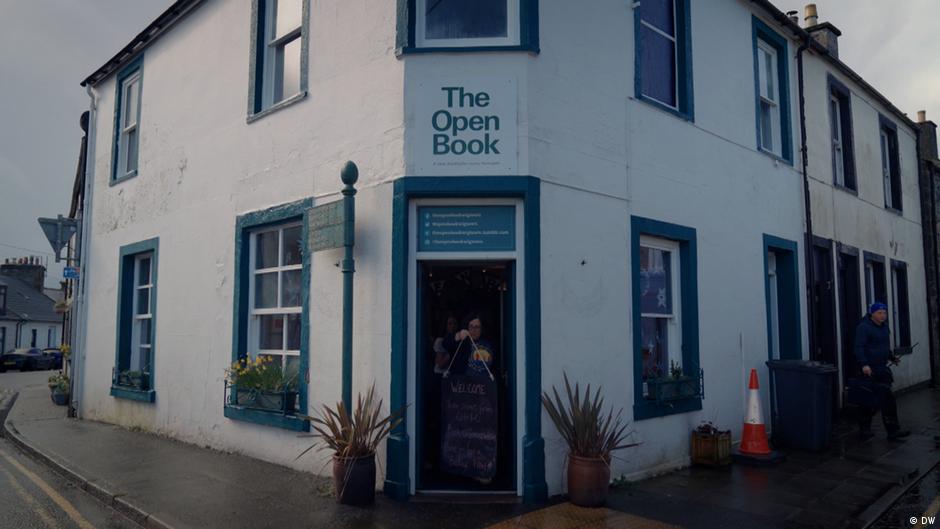
The Open Book, a volunteer-run bookshop in Wigtown, Scotland, has established itself as a significant driver of community revitalisation by offering guests the opportunity to manage the store and live in the apartment above for one to two weeks. Founded by Jessica Fox, the project has been booked out two years in advance since opening in August 2014, demonstrating sustained demand for an alternative tourism model that prioritises direct community engagement.
Fox, a former filmmaker for NASA in Los Angeles, established the initiative after volunteering at The Bookshop, Scotland's largest secondhand bookshop. She sought to create an analog experience of connection that contrasts with modern screen-based isolation, allowing guests to rearrange window displays, determine opening hours, and organise creative events ranging from wine tastings to author talks. This approach has transformed the project into a viral phenomenon that remains fully booked as far as the Airbnb calendar allows.
The economic impact of the book industry on Wigtown is starkly evident when comparing current conditions to the town's status in 1998. At that time, the coastal town in the southwestern Scottish region of Galloway faced severe economic ruin, with 83 properties listed for sale and many buildings threatened with demolition. Today, the situation has reversed, with only four properties currently listed for sale, marking a dramatic shift in the local real estate market.
Wigtown was officially named Scotland's National Book Town in 1998, a designation that coincided with the first Wigtown Book Festival. The annual festival, which runs from late September to early October, generates approximately £14 million for the local economy. Joyce Cochrane, owner of The Old Bank Bookshop, attributes the town's revival entirely to the book industry, describing the transformation as a phoenix rising from the ashes.
The initiative operates within a community of approximately 1,000 residents and relies on a model where new booking options typically open on the first Monday of each month. While the specific revenue generated by The Open Book alone is not detailed in available reports, the broader cultural ecosystem it supports has clearly stabilised the town against the backdrop of previous decline.
The project continues to attract visitors seeking a romanticised life surrounded by books and the sea, with guests often returning multiple times. By providing a space where individuals can actively participate in the running of the shop, The Open Book has fostered a sense of ownership and connection that has become central to the town's identity and economic resilience.