Smoke observed over Khiam as Israeli strikes breach southern Lebanon ceasefire
Linxi News reports on the incident in southern Lebanon, noting the violation of the ceasefire agreement without confirmed casualty figures.
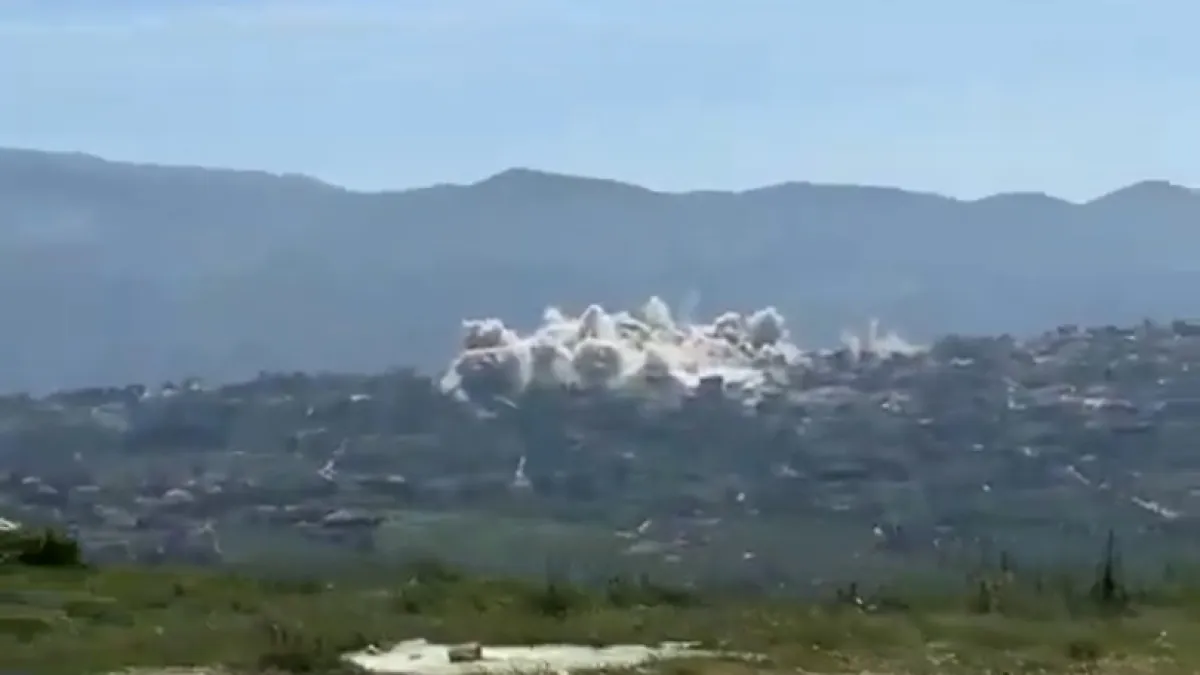
Smoke was observed rising above the town of Khiam in southern Lebanon following explosions attributed to Israeli forces. This incident took place on 24 April 2026 and constitutes a direct violation of an active ceasefire agreement currently in force between the relevant parties. The report relies on visual confirmation of the smoke and explosions, highlighting the ongoing volatility in the region despite diplomatic efforts to halt hostilities.
The attribution of the blasts to Israeli forces indicates a continuation of military operations in the south, undermining the stability of the current truce. While the specific tactical objectives of the strike remain unknown, the timing of the event relative to the ceasefire terms leaves no ambiguity regarding the breach. This development suggests that the conflict dynamics between the forces involved have not fully de-escalated, despite the formal agreement to suspend active combat.
Visual evidence remains the primary source of information regarding the extent of the damage caused by the explosions. There are currently no confirmed reports on casualties or injuries resulting from the incident, nor is there detailed information on the precise location within Khiam where the smoke was first observed. The reliance on such observational data underscores the challenges in verifying ground-level impacts during active conflict zones where independent access may be restricted.
The lack of corroborating details from multiple independent witnesses or official statements further complicates the immediate assessment of the situation. While the source material clearly identifies the event as a ceasefire violation based on the date and nature of the explosions, the official stance of the involved parties on this specific incident has not been cited. This gap in official commentary leaves the broader political implications of the breach open to interpretation by analysts and policymakers.
Governance in the region appears to be tested as the ceasefire framework faces immediate challenges from on-the-ground military actions. The incident serves as a stark reminder that formal agreements are fragile when operational realities continue to drive engagement in contested areas. As the situation evolves, the focus will likely shift from the initial visual confirmation of the smoke to a more rigorous investigation into the strategic intent behind the strikes and the potential consequences for the broader peace process.