Prime Minister Netanyahu discloses radiation treatment for early-stage prostate cancer in annual health report
Israeli leadership confirms successful treatment of condition identified in recent monitoring, citing Hadassah Hospital officials who state the disease has disappeared based on current imaging and blood work
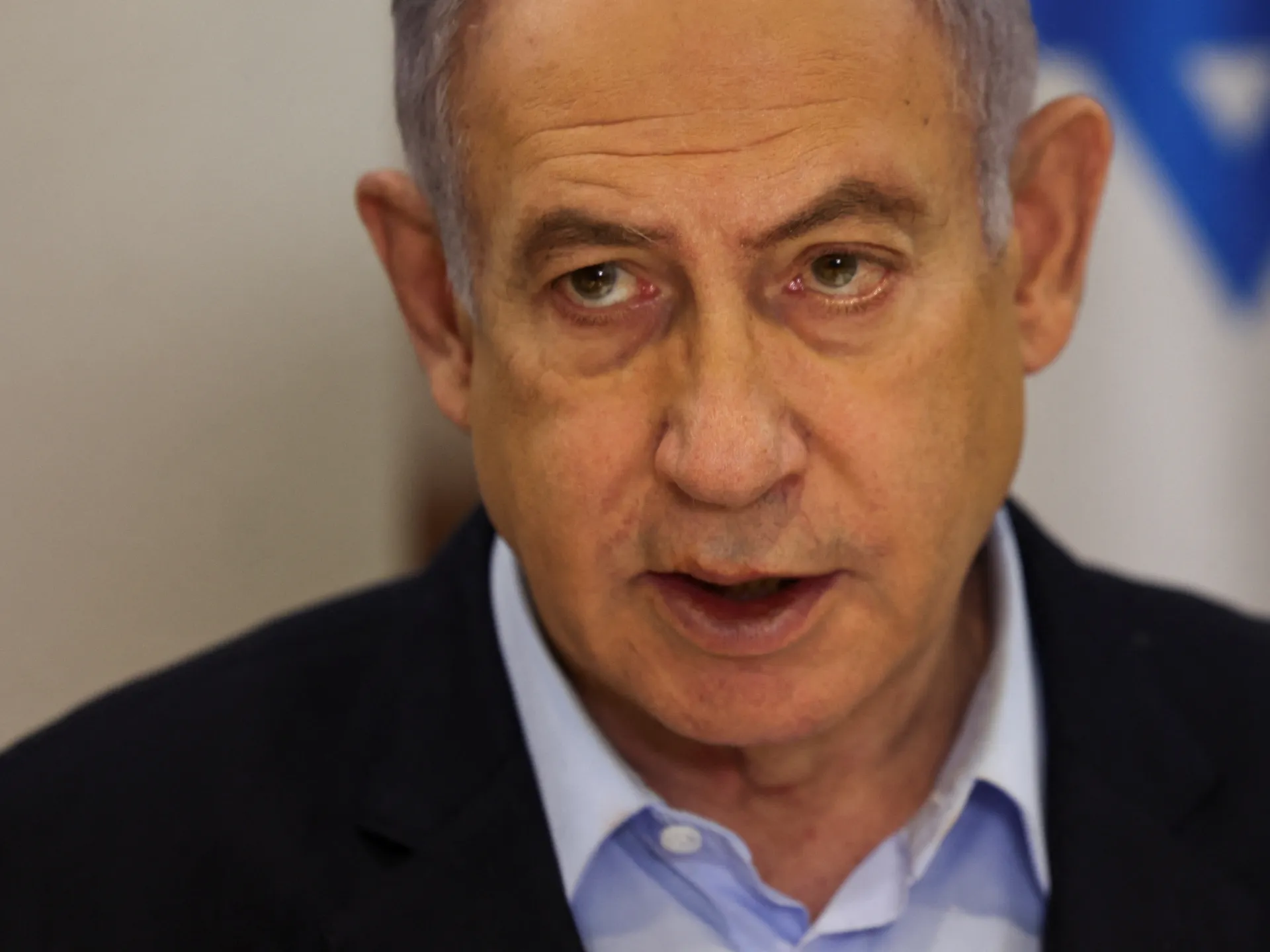
Israeli Prime Minister Benjamin Netanyahu has disclosed in his annual medical report that he underwent radiation therapy for early-stage prostate cancer. The condition was identified during a routine checkup following the discovery of a small tumour, a detail confirmed by the publication of the document on Friday. This disclosure marks a shift from previous silence regarding the matter, which had been maintained until the report was released two months after the initial diagnosis.
The timing of the report's release was deliberate, with Netanyahu requesting a delay to avoid publishing sensitive health information during the height of the war against Iran. In his statement accompanying the report, the Prime Minister explained that the postponement was intended to prevent the circulation of false propaganda against Israel during a period of active military engagement. This decision underscores the intersection of personal health disclosures and broader geopolitical stability, particularly given the recent speculation surrounding the Prime Minister's well-being.
Medical officials from Hadassah Hospital have confirmed that the disease has disappeared based on recent imaging and blood work. Aharon Popovtser, director of the hospital's oncology unit, noted that the diagnosis was made at an early stage and that prostate cancer is common among men of Netanyahu's age. The Prime Minister, who is 76 years old and Israel's longest-serving leader, previously underwent surgery for an enlarged benign prostate in 2024 and has since been under routine medical monitoring.
The annual report, which otherwise states that the Prime Minister is in good health, does not specify the exact dates when the radiation therapy occurred. Similarly, the precise timeline of the tumour's discovery relative to the 2024 surgery is not explicitly detailed beyond the description of it being a most recent checkup. These omissions reflect the standard practice of protecting specific medical timelines while confirming the overall status of the patient.
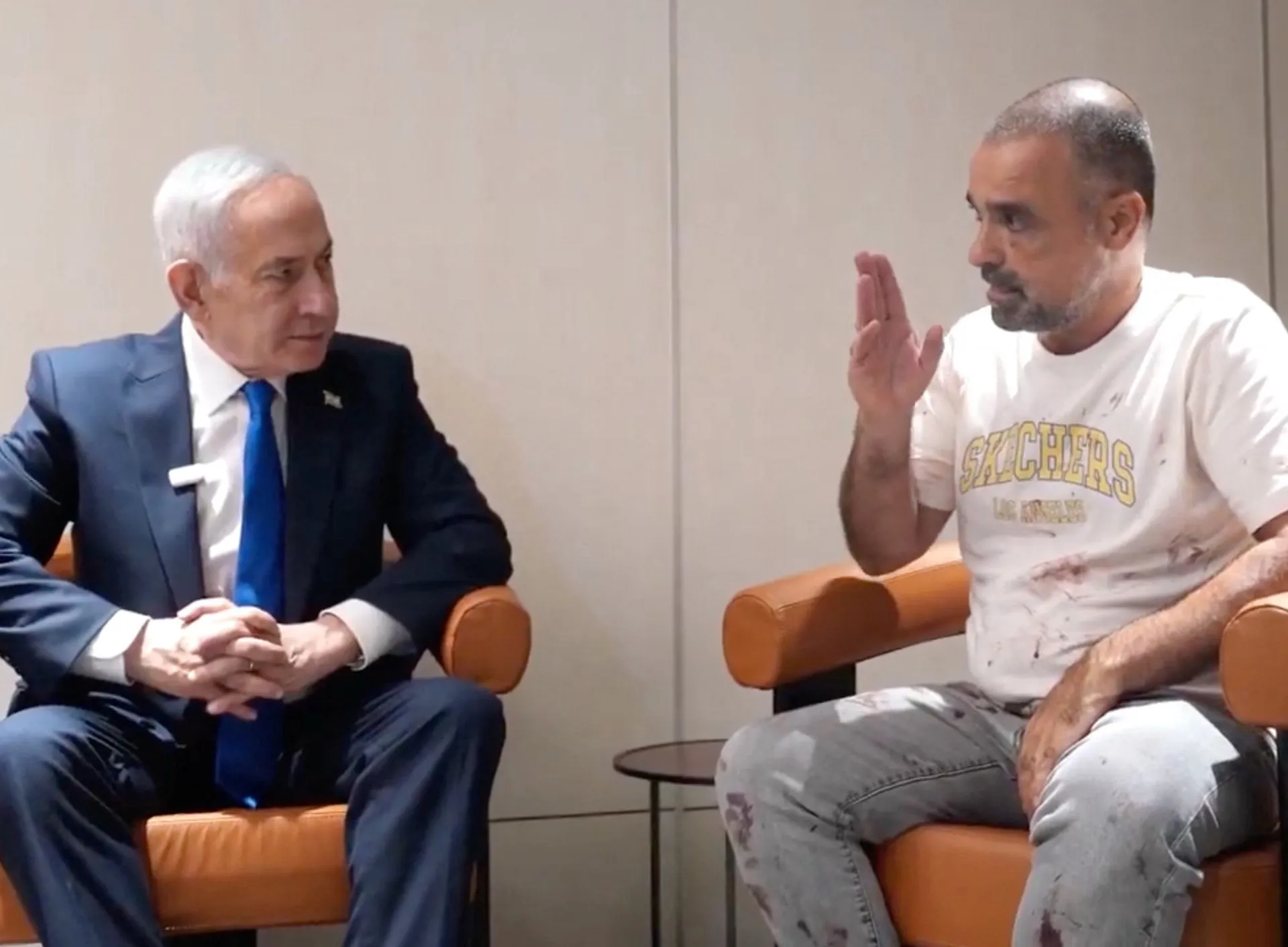
The announcement comes after a period of heightened speculation regarding Netanyahu's health during the early weeks of US-Israel attacks on Iran. During this time, fake and AI-generated images circulated on Iranian state media suggesting the Prime Minister had died. Netanyahu refuted these claims by recording a video of himself visiting a Jerusalem cafe in March, a move that temporarily quelled the rumours before this formal medical disclosure.
While the current findings indicate the absence of the disease, the report notes that long-term prognosis details are not provided in the text. The confirmation relies on the interpretation of imaging and blood work by hospital officials, representing a medical assessment rather than a permanent guarantee of future health. This transparency in the annual filing allows the public and institutions to assess the Prime Minister's capacity to continue his duties amidst ongoing regional tensions.