Virginia Voters Authorise Early Congressional Redistricting in National Electoral Shift
Referendum expected to alter state representation significantly, sparking warnings from governance experts regarding long-term democratic norms and electoral competition.
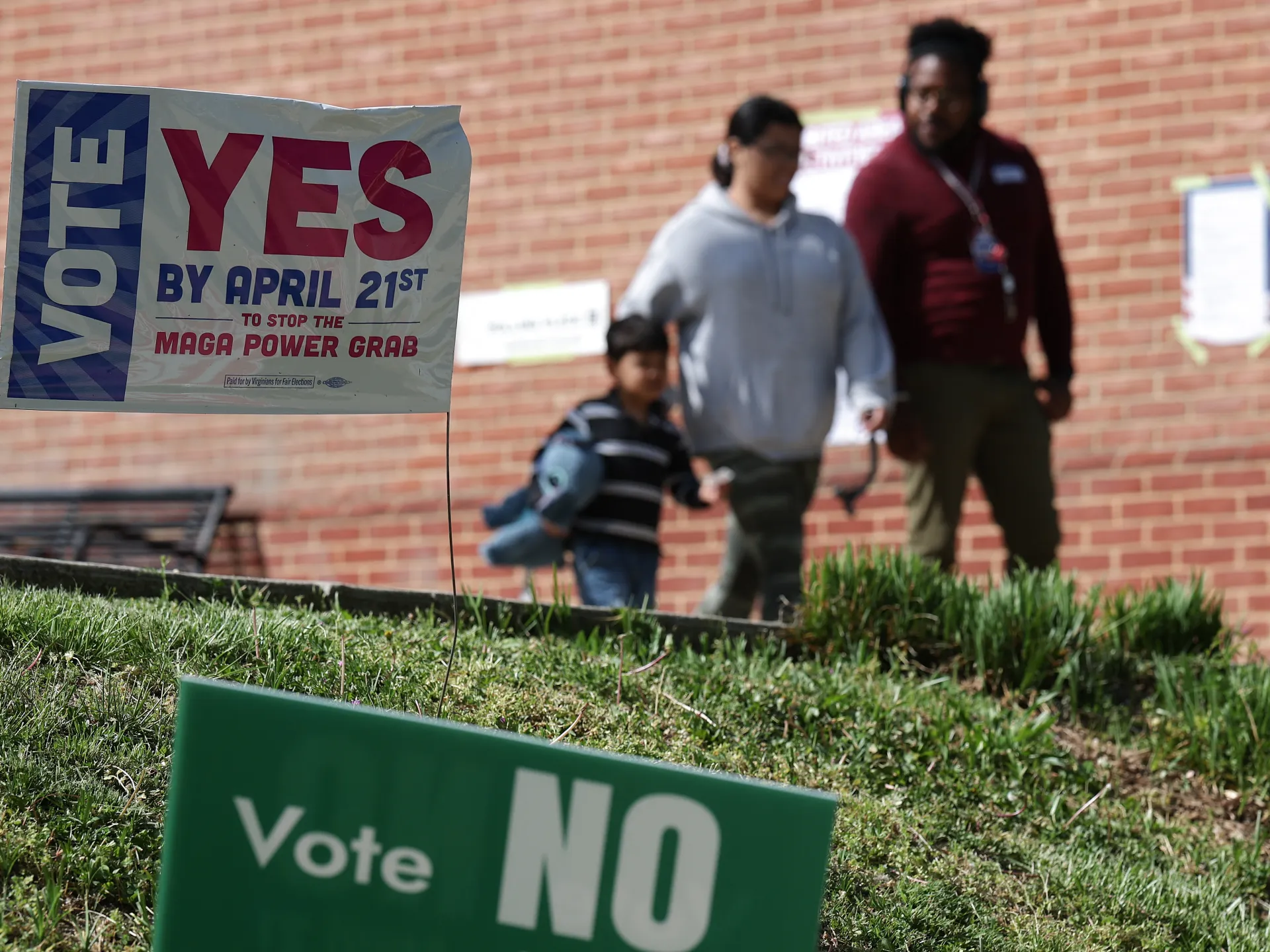
On 23 April 2026, voters in Virginia approved a referendum to redraw the state's congressional map ahead of the 2026 midterms. This decision marks a significant departure from the standard decennial cycle, occurring instead as part of an unprecedented surge of mid-decade redistricting triggered by national political dynamics. The move is expected to shift Virginia's representation from a 6-5 split to approximately a 10-1 advantage for Democrats across the state's eleven districts.
The referendum caps a broader cycle of retaliatory map changes initiated by pressure on President Donald Trump to pursue Republican map adjustments in Texas and other jurisdictions. While the Virginia outcome neutralises anticipated Republican gains in the Commonwealth, the broader strategy has seen Democrats secure additional districts in California and Utah, whereas Republicans have secured new districts in Texas, Missouri, North Carolina, and Ohio. This tit-for-tat approach has effectively extended the traditional ten-year redistricting timeline into an ongoing electoral arms race.
Experts warn that this norm-breaking strategy increases the risk of long-term democratic degradation by reducing electoral competition. Samuel Wang, a professor at Princeton University who runs the Princeton Gerrymandering Project, described the recent flurry of activity as a "complete busting of norms" that removes voters from the equation in affected areas. The process, defined by retaliation over reform, sets a precedent where one side bending the rules compels the other to follow until courts or voters intervene to draw the final lines.
The immediate political implications suggest a dramatic tightening of the fight for House control in the 2026 midterms. Hakeem Jeffries, the top Democrat in the House, characterised the move as a necessary response to Republican strategies, pledging maximum warfare against incumbents if the new map is implemented. Conversely, President Trump has decried the Virginia vote as "rigged" without providing evidence, while legal challenges to the ballot measure are currently being heard before the state's Supreme Court.
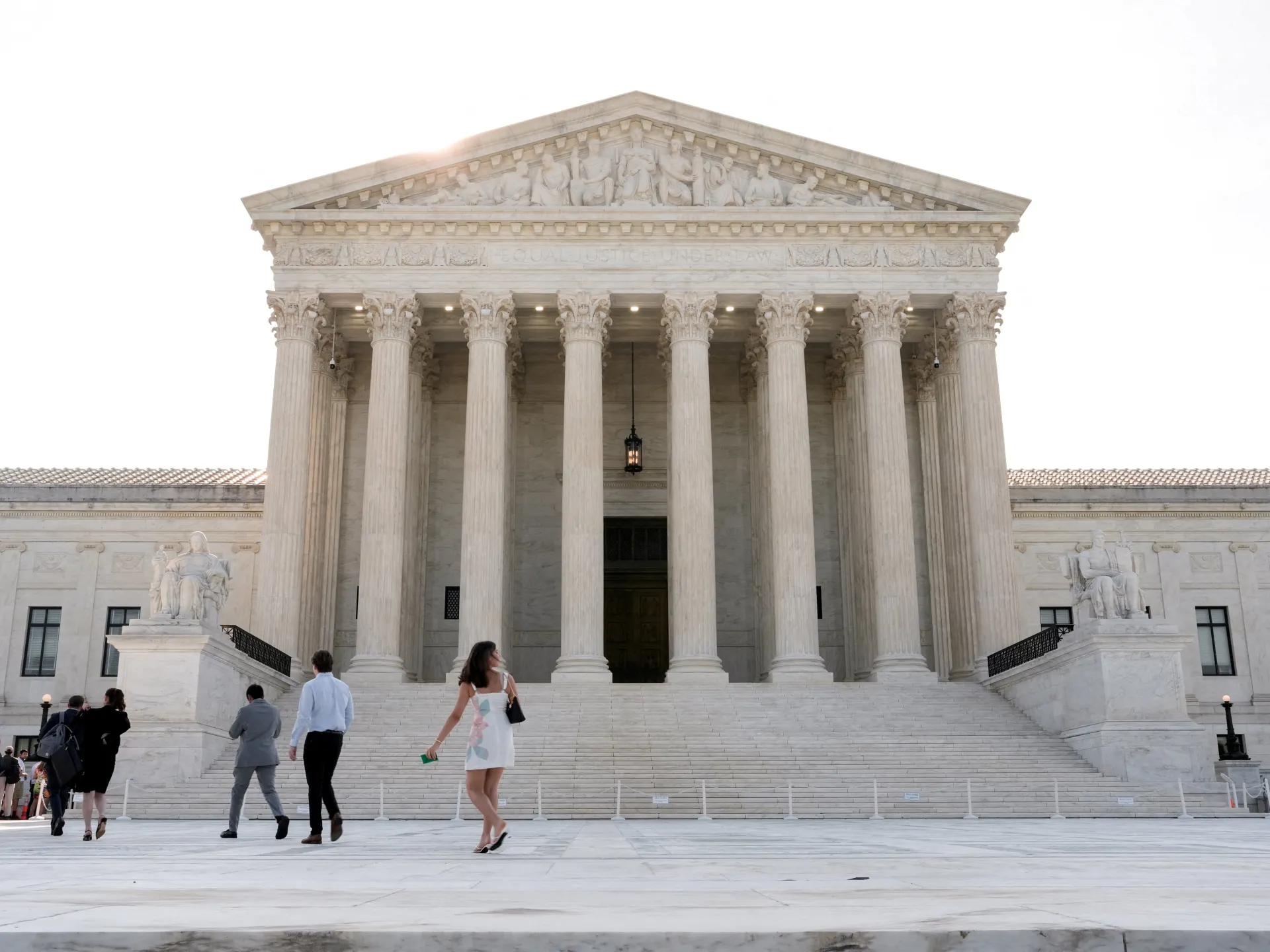
Looking beyond Virginia, the pressure for redistricting now shifts to Florida, where Governor Ron DeSantis is set to hold a special legislative session to discuss possible map changes. A new map in that state could add up to five Republican-dominated districts, though strict constitutional language regarding the process may scuttle the initiative. Meanwhile, a pending case before the US Supreme Court, Louisiana v Callais, could determine whether the creation of Black-majority districts aligns with the Voting Rights Act, potentially opening doors to redrawing maps in the US South based on racial makeup.
Despite the partisan gains, the cycle has reignited calls for federal reform to ensure non-partisan oversight. Wang noted that the current situation creates a rare opportunity for bipartisan action, suggesting that Congress could establish independent commissions to oversee redistricting. However, the vast majority of states still rely on their legislatures to draw maps, a system that grants outsized influence to the party in control and largely remains true regardless of whether the process is conducted every decade or more frequently.