Veteran Lebanese journalist Amal Khalil killed in reported double-tap strike in al-Tayri
The incident in southern Lebanon has prompted formal accusations of crimes against humanity from the Lebanese government and condemnation from the Committee to Protect Journalists.
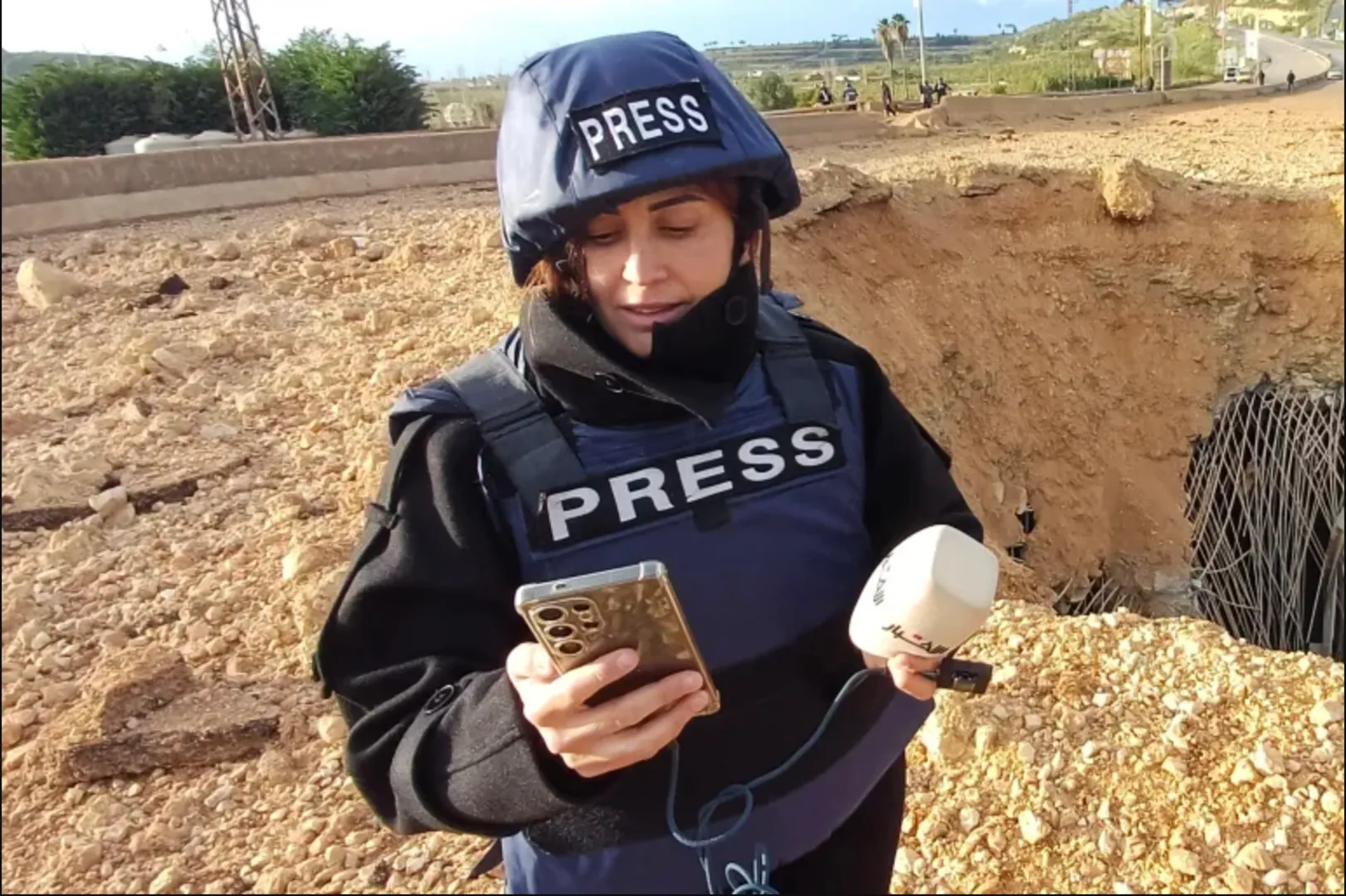
Details concerning the pursuit and killing of veteran Lebanese journalist Amal Khalil by Israeli forces have been released. The incident occurred in the village of al-Tayri in southern Lebanon, where Khalil was killed and her colleague Zeinab Faraj was seriously wounded during a reported double-tap air strike by the Israel Defense Forces.
Reports indicate that the engagement followed a sequence of events involving the pursuit of Khalil. Following the strike, Khalil remained trapped under rubble while medical crews, including the Red Cross, were obstructed from reaching her. The Committee to Protect Journalists has described this obstruction of medical access as a brutal and recurring crime.
The Lebanese Prime Minister, Nawaf Salam, has formally accused Israel of committing crimes against humanity in the wake of the death and injury. This formal accusation represents a significant legal and moral assessment by the Lebanese government regarding the conduct of the Israel Defense Forces in the region.
The Committee to Protect Journalists has called for an urgent investigation into Israel's record of journalist killings across the region. Regional director Sara Qudah highlighted the severity of the situation, noting the specific circumstances under which Khalil was unable to receive aid while Faraj was injured.
This incident follows a similar reported double-tap attack less than a month prior, raising concerns about the tactical application of force in the area. While specific granular timestamps and witness accounts regarding the exact sequence of the pursuit are not available in the current data, the pattern of events has drawn sharp criticism from international observers.
The release of these details underscores the ongoing volatility in southern Lebanon and the severe risks faced by media personnel operating in conflict zones. The obstruction of humanitarian efforts and the targeting of journalists have become central points of contention in the diplomatic and security discourse surrounding the conflict.