US Treasury sanctions Iraqi deputy oil minister over alleged facilitation of Tehran's oil smuggling network
The designation alleges the official instrumentalised state mechanisms to divert oil revenues, while the US Treasury Secretary condemns the regime's exploitation of Iraqi resources.
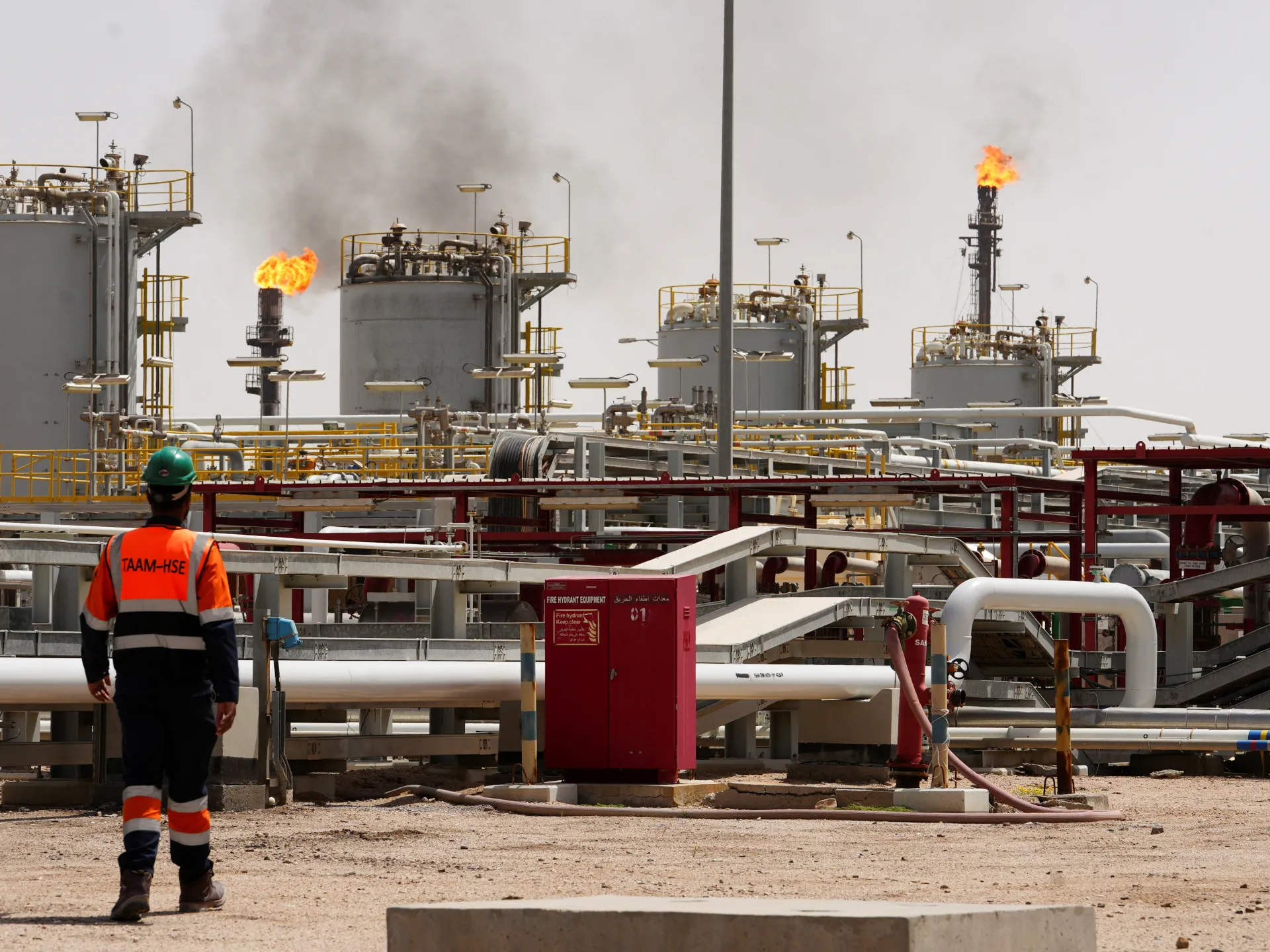
The US Treasury has imposed sanctions on Iraq's Deputy Oil Minister, Ali Maarij al-Bahadly, alongside senior figures from pro-Iran militias, accusing them of facilitating the diversion of Iraqi oil products to benefit Tehran. The Treasury alleges that al-Bahadly played a central role in allowing Iranian smugglers to label Iranian crude as Iraqi, thereby enabling the Islamic Republic to bypass US restrictions on its energy exports.
According to the US Treasury, the sanctioned officials were instrumental in a scheme where an Iran-affiliated oil smuggler mislabelled Iranian oil to avoid sanctions. The designation claims that corrupt practices within the Iraqi government permitted this operation to continue, placing al-Bahadly at the heart of the illicit network. The Treasury Secretary, Scott Bessent, described the Iranian regime's actions as pillaging resources that rightfully belong to the Iraqi people to fund terrorism against the United States and its partners.
In addition to al-Bahadly, the sanctions target Mustafa Hashim Lazim al-Behadili, a leader and economic official for the Asa'ib Ahl al-Haq movement, as well as Ahmed Khudair Maksus Maksus and Mohammed Issa Kadhim al-Shuwaili from the Kata'ib Sayyid al-Shuhada. The Treasury alleges that al-Behadili controlled oil smuggling financing and negotiated contracts directly with the Islamic Revolutionary Guard Corps' Quds Force to ship oil from Iran. Maksus and al-Shuwaili face accusations regarding their involvement in illicit weapons purchases.
The timing of these measures coincides with intensified US-Iran tensions over control of the Strait of Hormuz, a vital conduit for Gulf oil exports. Washington has exerted significant pressure on Baghdad to distance itself from Tehran, a dynamic underscored by President Donald Trump's earlier warning that US support for Iraq would cease if pro-Iran Nouri al-Maliki returned as prime minister.
Al-Bahadly has overseen Iraqi oil governance since 2024 as deputy leader of the oil ministry, having previously served as head of the licensing and contracts office and acting minister. His designation follows reports that Iranian oil tankers have historically used forged Iraqi documents to navigate US sanctions, with experts estimating that Iran generates substantial annual revenue from networks that blend Iranian fuel with Iraqi asphalt plant output.
The sanctions represent a direct challenge to the pro-Iranian Coordination Framework bloc that governs Baghdad, highlighting the friction between Washington's maximum pressure campaign and Iraq's delicate balancing act between its strategic alliance with Tehran and its reliance on US military and economic support.